
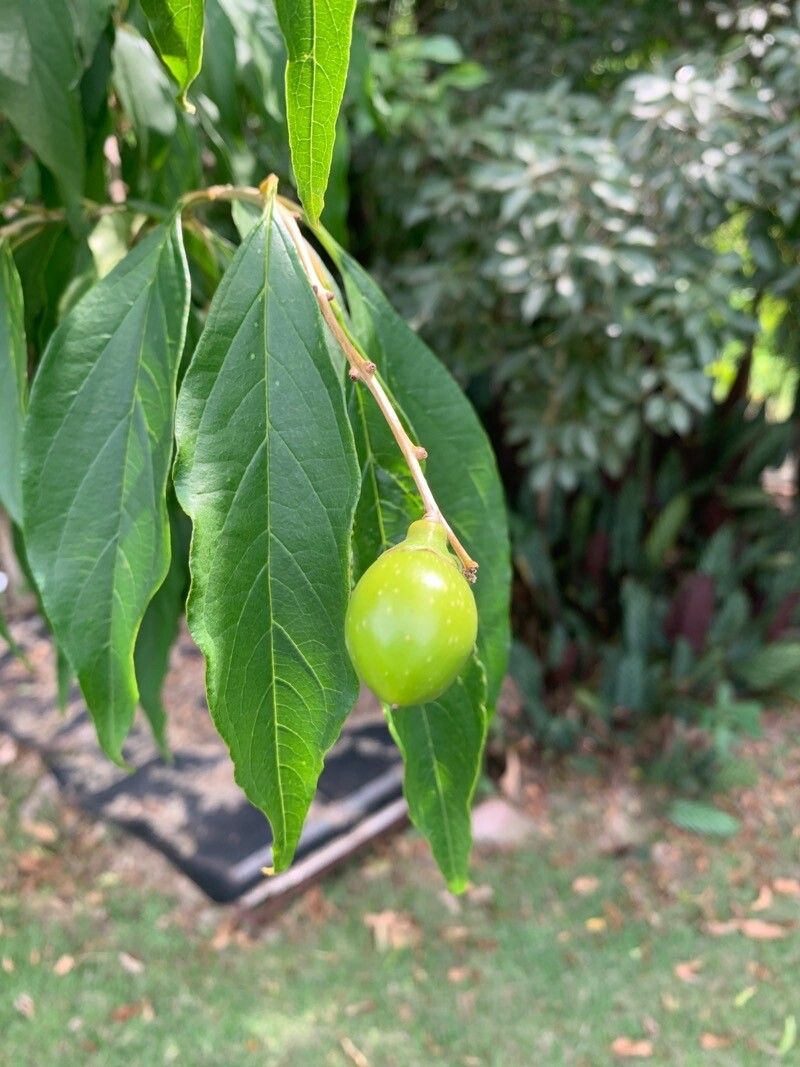
Propagating the Fiddlewood Tree: A Gardener’s Guide to Citharexylum solanaceum
Introduction
Citharexylum solanaceum, commonly known as fiddlewood, is a striking and popular ornamental tree prized for its attractive, fragrant flowers and glossy foliage. Native to the Caribbean and parts of South America, this species boasts a lovely, spreading form and is valued by gardeners for its ability to attract pollinators like hummingbirds and butterflies. Its relatively easy cultivation in warm climates and unique appearance make it a sought-after addition to landscapes, increasing interest in its propagation. However, propagation of fiddlewood can present certain challenges, varying significantly depending on the chosen method.
Seed Germination:
Currently, there are no known reliable methods for seed germination propagation of Citharexylum solanaceum. While seeds may be produced, their viability is generally low, and germination rates are inconsistent even under ideal conditions. This is likely due to factors such as seed dormancy mechanisms and the sensitivity of the seedlings to environmental factors. Further research into specific germination requirements is needed to determine if this method can be reliably employed.
Cuttings:
Cuttings represent a more viable method for propagating fiddlewood.
Challenges: Success depends on using fresh, healthy cuttings taken from actively growing shoots. The ideal time is during the spring or early summer when growth is vigorous. The cuttings can be prone to fungal infections if not kept in a sterile and well-ventilated environment.
Practical Tips: Take semi-hardwood cuttings (partially lignified stems) about 4-6 inches long. Remove lower leaves to prevent rot. Dip the cut ends in a rooting hormone to stimulate root development. Plant the cuttings in a well-draining potting mix, keeping the soil consistently moist but not waterlogged. A humid environment (e.g., covered propagation tray) is crucial. Keep them out of direct sunlight.
Rewards: Cuttings provide a relatively quick means of producing new plants that are genetically identical to the parent plant, preserving desirable traits. This makes it suitable for large-scale propagation of a specific cultivar.
Division:
Division is not a suitable propagation method for Citharexylum solanaceum due to its tree-like structure and extensive root system. Mature plants are not readily broken down into smaller, independently viable portions.
Tissue Culture:
Tissue culture offers a potentially efficient method for mass propagation of Citharexylum solanaceum, although this is a specialized technique requiring laboratory facilities and expertise.
Challenges: Establishing sterile conditions and selecting appropriate growth media and hormones are critical for success. This method can be costly and technically demanding, requiring specific knowledge and skill.
Practical Tips: Experts using tissue culture must carefully select nodal segments from healthy plants, sterilize them rigorously, and place them on a suitable culture medium for shoot and root proliferation.
Rewards: Tissue culture allows for the rapid production of numerous genetically identical plants from a small amount of source material. It’s particularly helpful for preserving rare or valuable cultivars and combating diseases.
Conclusion:
Propagating Citharexylum solanaceum presents unique challenges depending on the chosen approach. Seed propagation is currently unreliable. Cuttings offer a more accessible, relatively straightforward method for the beginner, albeit with the need for careful attention to detail. Tissue culture promises high-volume propagation but requires specialized facilities. The satisfaction gained from successfully propagating this beautiful tree, whether through cuttings or the more advanced tissue culture, is rewarding. Overcoming the hurdles and watching a small cutting grow into a mature, flowering fiddlewood tree is a testament to patience and horticultural skill—a rewarding experience that adds a deeper appreciation for the plant’s beauty. For aspiring propagators, we advise starting with the cuttings method and focusing on maintaining a suitable environment, paying close attention to humidity and preventing fungal issues. Remember that even with the best efforts, setbacks are possible, but perseverance is key to this rewarding endeavor.