
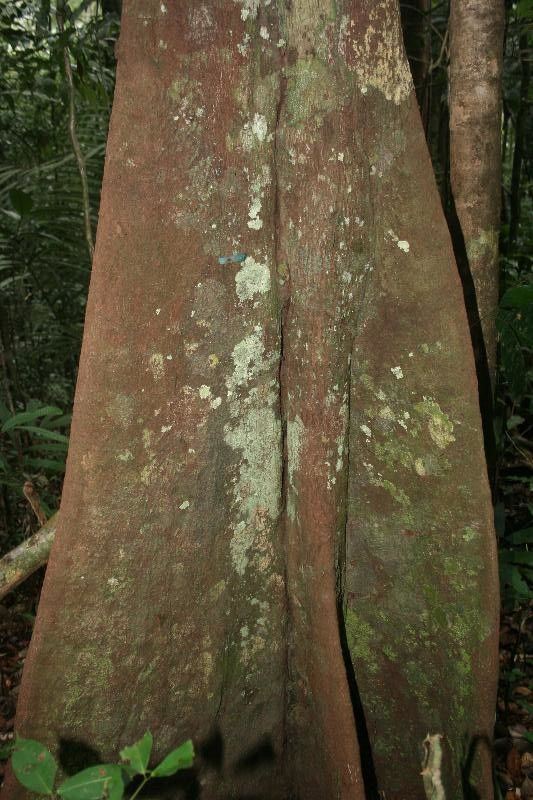
Propagating Pouteria engleri: A Gardener’s Guide
Introduction:
Pouteria engleri, a member of the Sapotaceae family, is a lesser-known but increasingly appreciated tropical tree prized for its attractive foliage, potential for edible fruit (though the quality and edibility may vary depending on the specific cultivar), and overall aesthetic appeal. While not yet widely popular among gardeners compared to more established tropical species, its unique characteristics – such as its glossy leaves and potential for interesting fruiting – are slowly garnering attention. Propagation, however, presents a few challenges, making successful cultivation a rewarding experience. This article explores different propagation methods suitable for Pouteria engleri.
Seed Germination:
Currently, there are no known reliable methods for seed germination propagation of Pouteria engleri. Limited research is available on this species’ reproductive biology, and anecdotal evidence suggests low germination rates even under optimal conditions. Further investigation into seed treatment techniques and environmental factors affecting germination is needed before seed propagation can be considered a reliable method.
Cuttings:
The propagation of Pouteria engleri via cuttings offers a more promising approach than seed germination. However, success is dependent on careful technique and environmental control.
Challenges: The relatively slow rooting rate and susceptibility to fungal diseases are major obstacles. The type of cutting used (hardwood, semi-hardwood, or softwood) significantly influences success.
Tips: Using semi-hardwood cuttings taken from actively growing shoots in late spring or early summer yields better results. Treating the cuttings with a rooting hormone is highly recommended. The use of a propagation mix providing good drainage and moisture retention (such as a peat-perlite blend) is crucial. Maintain a high humidity environment (e.g., using a humidity dome or misting regularly) and a warm temperature (around 25-30°C).
Rewards: Cuttings produce genetically identical plants to the parent, preserving desirable traits. This makes it ideal for propagating superior cultivars, and the method is relatively straightforward, requiring less space than other propagation methods.
Division:
Division is not a viable propagation method for Pouteria engleri. This species is typically a single-trunked tree and does not naturally produce readily separable offshoots suitable for division.
Tissue Culture:
Tissue culture offers the potential for rapid and large-scale propagation of Pouteria engleri, overcoming the limitations encountered with other methods. However, this technique requires specialized laboratory equipment, sterile conditions, and expertise in plant tissue culture protocols.
Challenges: Establishing appropriate culture media and sterilization protocols specific to Pouteria engleri requires significant research and experimentation. Contamination risks are high, and the process requires specialized knowledge and infrastructure.
Tips: Success hinges on finding optimal nutrient concentrations, growth regulators, and sterilization methods. Collaboration with experienced plant tissue culture laboratories is highly recommended.
Rewards: Tissue culture allows for the rapid multiplication of elite plant material, preservation of valuable germplasm, disease elimination, and the potential to produce large numbers of uniform plants.
Conclusion:
Propagating Pouteria engleri presents various challenges, with cuttings being currently the most reliable method. Seed germination and tissue culture, while potential avenues, require further research and development. The rewards of successfully cultivating this relatively uncommon species, however, are considerable. The unique beauty of the plant and the knowledge gained throughout the propagation process offer great satisfaction. To aspiring propagators, patience, meticulous attention to detail, and perhaps some collaboration with experts are crucial. Don’t be discouraged by initial setbacks; the journey of propagating Pouteria engleri is a testament to the dedication and perseverance required in horticultural endeavors. The successful cultivation of this beautiful tree is a rewarding accomplishment reflecting the gardener’s skill and passion.