
Propagating Triumfetta semitriloba: A Gardener’s Guide to the Burr Vine
Introduction:
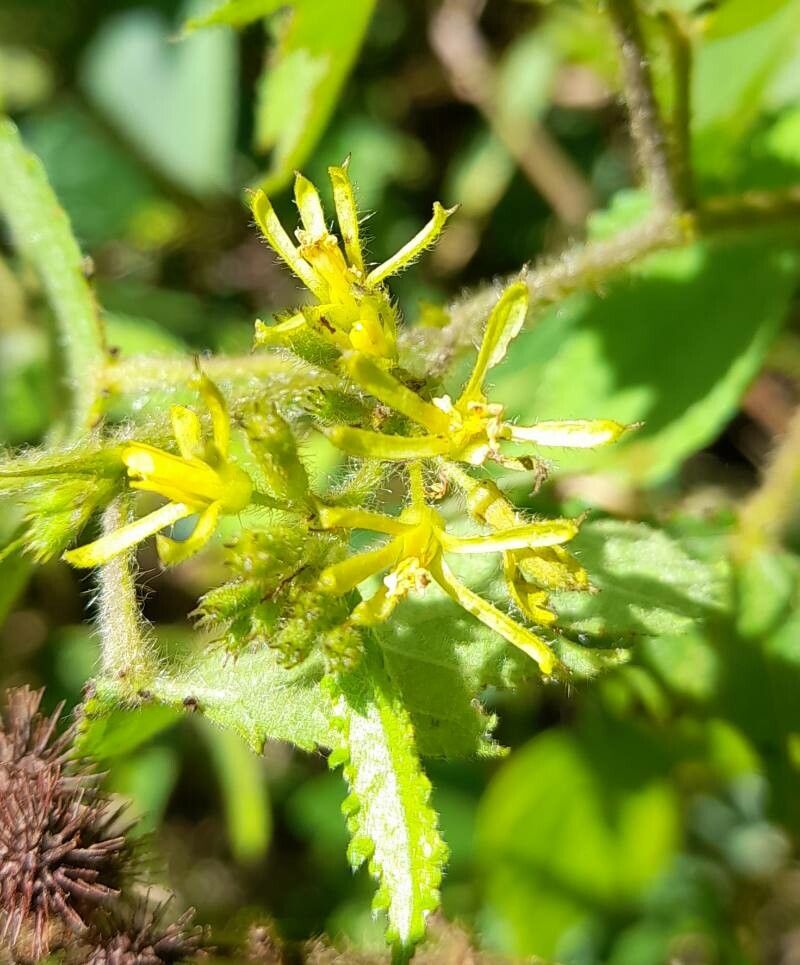
Triumfetta semitriloba, commonly known as the Burr Vine or Indian Bur, is a fascinating and versatile plant. This robust, fast-growing climber boasts attractive, serrated leaves and clusters of small, yellow flowers, followed by distinctive burr-like fruits. Its adaptability makes it a popular choice among gardeners, particularly for erosion control, ground cover, and even as a source of fiber. However, its propagation presents some unique challenges. The plant’s popularity, coupled with its potential for medicinal and other uses, makes successful propagation highly desirable.
Seed Germination:
Currently, there are no known reliable methods for seed germination propagation of Triumfetta semitriloba. While seeds are produced, their germination rate is notoriously low, and reports of successful germination are scarce. Further research is needed to determine optimal conditions for germination, including the potential need for pre-treatment techniques like scarification or stratification.
Cuttings:
Cuttings offer a more promising method for propagating Triumfetta semitriloba.
Challenges: While success is possible, rooting can be slow and inconsistent. The type of cutting (softwood, hardwood, semi-hardwood) may influence success rates, requiring experimentation. Furthermore, fungal infections can be a problem, especially in humid conditions.
Practical Tips: Semi-hardwood cuttings, taken in late spring or early summer, generally yield better results. Use a sharp, clean knife or shears to prevent disease transmission. Dip the cut ends in a rooting hormone powder to stimulate root development. Plant cuttings in a well-draining propagation mix, maintaining consistently moist but not waterlogged conditions. Providing bottom heat can accelerate rooting. A humidity dome or propagator can significantly increase success rates by maintaining high humidity levels.
- Rewards: Cuttings propagation offers a relatively fast and efficient method for producing clones of a desirable parent plant, preserving its positive traits. This method is ideal for smaller-scale propagation to easily expand your existing plants.
Division:
Division is a viable propagation method for Triumfetta semitriloba, particularly for well-established plants.
Challenges: It is crucial to ensure each division possesses a sufficient root system and ample foliage to ensure survival. Damaging the roots during division can hinder the plant’s ability to establish itself.
Practical Tips: The best time for division is during the plant’s active growth phase, usually in spring or early summer. Dig up the entire plant carefully, being mindful of the root structure. Divide the rootball into several sections, each with a healthy portion of roots and shoots. Replant the divisions immediately, ensuring they are adequately spaced and watered.
- Rewards: Division is a relatively simple and quick method, requiring minimal specialized equipment. It’s a great way to increase the number of plants without relying on seeds or cuttings.
Tissue Culture:
Tissue culture offers a potential, albeit complex, method for propagating Triumfetta semitriloba.
Challenges: Establishing a sterile environment and mastering the intricate techniques involved in tissue culture requires specialized equipment, knowledge, and expertise. The process is labor-intensive and requires careful monitoring of environmental conditions. Optimization of media composition for Triumfetta semitriloba might also necessitate research and experimentation.
Practical Tips: This method is best suited for experienced researchers or laboratories with adequate resources. Sterile techniques, including surface sterilization of plant material, proper media preparation and environmental control are crucial.
- Rewards: Tissue culture allows for rapid, large-scale propagation of disease-free plants, potentially producing a high number of genetically identical plants. It’s invaluable for conservation efforts and mass production.
Conclusion:
Propagating Triumfetta semitriloba presents some unique hurdles, with seed germination currently proving unreliable. Cuttings and division offer more practical approaches for gardeners, while tissue culture presents a challenging yet rewarding method for large-scale propagation. The rewards of successfully cultivating this robust and resilient plant – whether through the satisfaction of nurturing a cutting to maturity or the achievement of mastering a complex tissue culture protocol – far outweigh the challenges. The perseverance required only serves to amplify the joy of seeing these fascinating vines thrive, offering a testament to the patience and dedication of the propagator. For aspiring propagators, I recommend starting with cuttings or division, carefully following the tips provided. With careful observation and a little experimentation, even the most challenging propagations can yield rewarding results.