
Propagating Pavonia gallaensis: A Gardener’s Guide to the Ethiopian Mystery
Pavonia gallaensis, also known as the Ethiopian Pavonia, is a captivating shrub boasting vibrant, often scarlet, hibiscus-like flowers. Its unique, cup-shaped blooms and attractive foliage make it a popular choice among gardeners seeking to add a touch of exotic beauty to their collections. However, its propagation presents certain challenges, making successful cultivation all the more rewarding. This article explores various methods of propagating Pavonia gallaensis, examining their viability and offering practical advice.
Seed Germination:
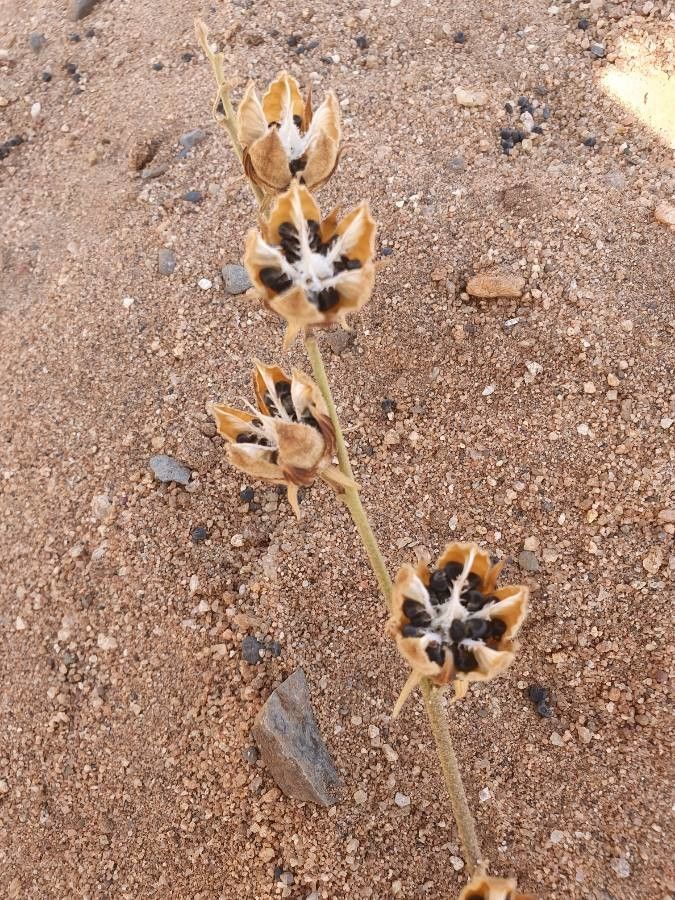
Currently, there are no known reliable methods for seed germination propagation of Pavonia gallaensis. While seeds may be produced, their germination rate appears exceptionally low, and successful germination under controlled conditions has yet to be consistently reported in horticultural literature. Further research is needed to understand the specific germination requirements of this species, potentially including investigation into possible dormancy mechanisms and hormonal treatments.
Cuttings:
Cuttings represent a more promising method for propagating Pavonia gallaensis.
- Challenges: Successful rooting can be inconsistent. The plant might be susceptible to fungal diseases during the rooting phase. Finding the optimal timing for taking cuttings (often semi-hardwood cuttings in late summer/early autumn) is crucial.
- Practical Tips: Use sharp, clean cutting tools to take 4-6 inch cuttings from actively growing stems. Remove lower leaves to prevent rot. Dip the cut ends in a rooting hormone powder before planting in a well-draining propagation mix (e.g., a mix of perlite and peat moss). Maintain high humidity (using a propagator or humidity dome) and a warm temperature (around 70-75°F). Regular misting can help maintain moisture levels.
- Rewards: Cuttings offer a relatively quick way to produce genetically identical plants, preserving desirable traits from the mother plant.
Division:
Division is largely impractical for Pavonia gallaensis. This plant typically doesn’t form dense clumps or readily separate into independent units suitable for division.
Tissue Culture:
Tissue culture offers the potential for large-scale propagation of Pavonia gallaensis and could be a method to overcome the challenges of seed germination and cuttings.
- Challenges: Establishing optimal tissue culture protocols for Pavonia gallaensis requires specialized knowledge and equipment, including appropriate growth media, sterilisation techniques, and hormonal treatments. This method is the most technically demanding and costly.
- Practical Tips: This process requires sterile laboratory conditions and expertise in plant tissue culture techniques, including selecting appropriate explant material, sterilisation procedures, and the development of optimized growth media formulations.
- Rewards: Tissue culture allows for rapid and mass propagation of disease-free plants, enabling large-scale production and conservation efforts.
Conclusion:
Propagating Pavonia gallaensis presents unique challenges, with seed germination proving difficult to achieve reliably. Cuttings provide a more achievable, albeit inconsistent, method for the home gardener, while tissue culture offers the potential for large-scale propagation but requires specialized expertise and resources. The rewards, however, are substantial. Successfully cultivating this beautiful plant, understanding its propagation nuances and overcoming its inherent challenges, brings a profound sense of accomplishment. For the determined gardener, the vibrant flowers of Pavonia gallaensis serve as a testament to perseverance and a well-deserved prize. We encourage aspiring propagators to experiment with cuttings, persistently refining techniques, and perhaps, contributing to further research on its seed germination and tissue culture propagation. The journey itself, with its unique difficulties and eventual triumphs, is a rewarding aspect of cultivating this distinctive and attractive species.