
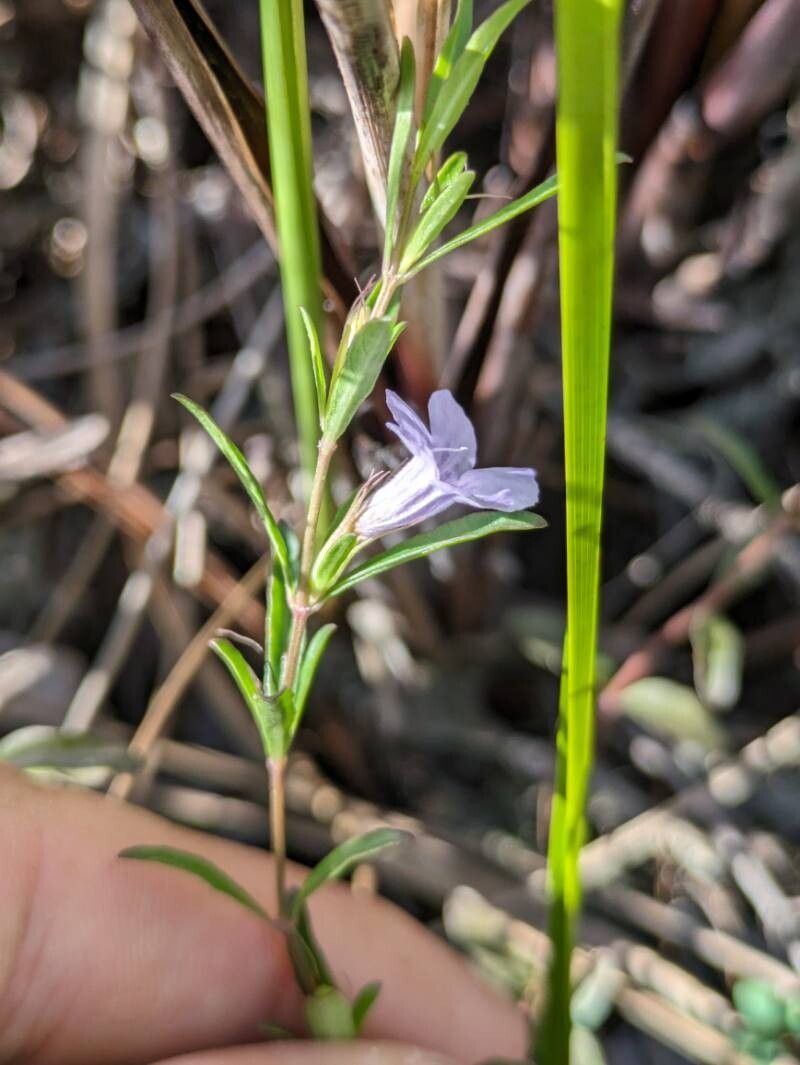
Propagating Dyschoriste angusta: A Gardener’s Guide
Introduction
Dyschoriste angusta, also known as the slender narrowleaf, is a captivating herbaceous perennial prized for its delicate, slender form and attractive, often lavender-blue flowers. Its relatively low-maintenance nature and ability to thrive in well-drained soil makes it a popular choice among gardeners seeking a touch of subtle elegance in their landscapes or containers. However, its propagation presents some unique challenges, making success all the more rewarding. This article explores various methods for propagating Dyschoriste angusta, weighing their viability and offering practical advice.
Seed Germination
Currently, there are no known reliable methods for seed germination propagation of Dyschoriste angusta. Limited information is available regarding its seed production and germination characteristics. Further research is needed to determine if seed germination is a viable option.
Cuttings
Viability: Cuttings represent a more reliable method for propagating Dyschoriste angusta.
Challenges: Success rates can vary depending on the timing and technique. Using semi-hardwood cuttings taken during late spring or early summer generally provides the best results. Overwatering can lead to rot, while underwatering can hinder root development.
Practical Tips:
- Selection of Cuttings: Choose healthy, non-flowering stems, about 4-6 inches long. Remove lower leaves to prevent rot.
- Hormone Treatment: Dipping the cut ends in a rooting hormone powder can significantly improve success rates.
- Planting Medium: Use a well-draining propagation mix, such as a blend of perlite and peat moss.
- Environment: Maintain high humidity (e.g., using a humidity dome or misting regularly) and warm temperatures (around 70-75°F). Provide bright, indirect light.
- Root Development: Root formation typically takes several weeks. Avoid disturbing the cuttings during this critical period.
Rewards: Cuttings provide a relatively quick and efficient method for producing genetically identical plants, preserving desirable traits.
Division
Viability: Division is a viable propagation method, particularly for established plants.
Challenges: Care must be taken to avoid damaging the roots during the division process. Each division should ideally contain healthy roots and several stems.
Practical Tips:
- Timing: The best time for division is in spring or early fall, when the plant is actively growing but not flowering heavily.
- Process: Carefully dig up the plant and gently separate the root crown into several sections, ensuring each section has a good portion of roots and stems.
- Replanting: Plant the divisions immediately in well-prepared, moist soil, maintaining proper spacing.
Rewards: Division offers a straightforward way to increase the number of plants and rejuvenate older specimens.
Tissue Culture
Viability: Tissue culture is a potentially viable but complex method for propagating Dyschoriste angusta.
Challenges: Establishing aseptic conditions and selecting appropriate growth media and hormones are crucial for success. This technique requires specialized equipment and knowledge, making it unsuitable for the average home gardener.
Practical Tips: This method is best left to experienced tissue culture laboratories.
Rewards: Tissue culture offers the potential for large-scale propagation and the elimination of diseases.
Conclusion
Propagating Dyschoriste angusta presents unique challenges, but the rewards are worth the effort. While seed germination remains unproven, cuttings and division offer reliable methods for most gardeners. Tissue culture provides a more advanced option for large-scale propagation. Mastery of the techniques, particularly understanding the plant’s specific needs regarding moisture and humidity, is key to success. The satisfaction of nurturing a tiny cutting into a thriving plant, or carefully dividing a mature specimen to create new ones, is a testament to the rewarding journey of cultivating this elegant and unique perennial. Don’t be discouraged by initial setbacks – persistence and patience are key to successfully propagating this charming species.