
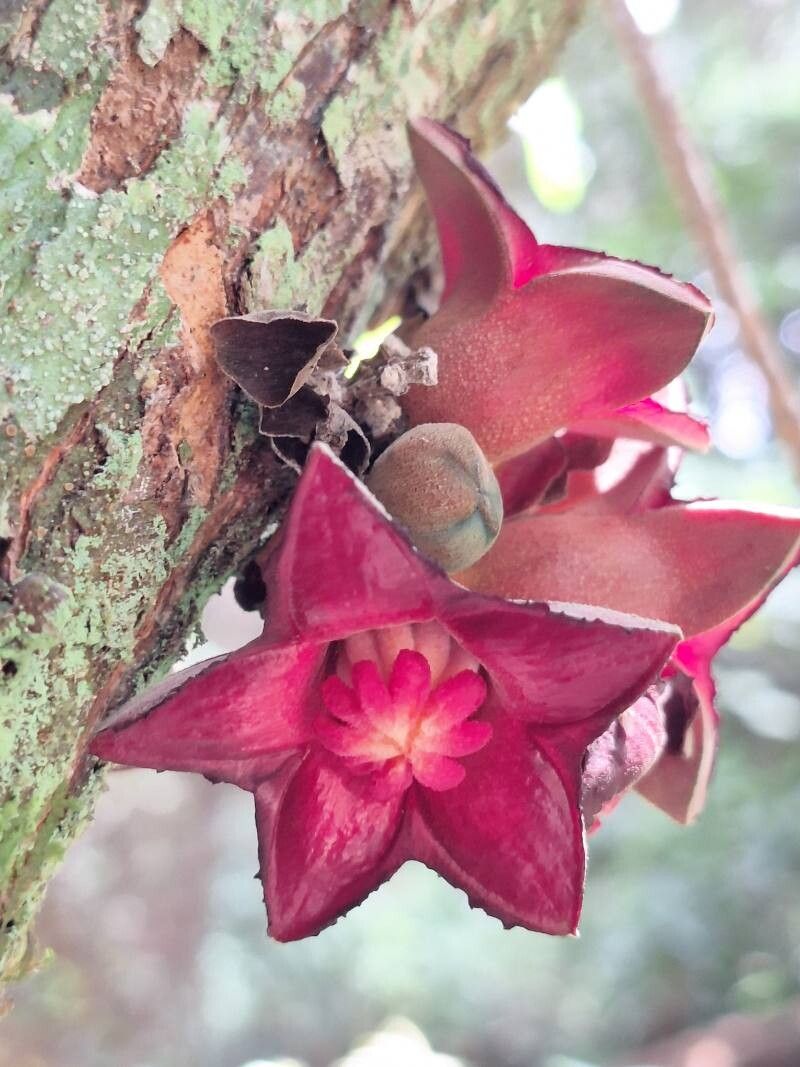
Propagating Cola chlamydantha: A Gardener’s Challenge and Reward
Cola chlamydantha, sometimes known as the "wild cola" or a species within the broader "kola" group, is a captivating tree prized for its ornamental value and botanical intrigue. Its unique flowers and often striking foliage make it a desirable addition to specialized collections, though its propagation presents a significant challenge to even experienced horticulturists. Its relative rarity in cultivation further emphasizes the need for efficient propagation techniques.
Seed Germination:
Currently, there are no known reliable methods for seed germination propagation of Cola chlamydantha. While seeds are produced, germination rates are extremely low, even under carefully controlled conditions. Further research into seed dormancy mechanisms and germination requirements is needed before this method becomes viable for widespread propagation.
Cuttings:
Propagating Cola chlamydantha from cuttings presents a moderate challenge. Success rates are low, often hampered by difficulties in rooting.
Challenges: The hardiness of the stems and the susceptibility to fungal diseases during the rooting phase are significant hurdles.
Practical Tips: Semi-hardwood cuttings taken in late summer or early autumn, treated with rooting hormone, and placed in a humid environment with bottom heat, offer the best chance for success. Using a well-draining propagation mix and ensuring good ventilation are crucial.
Rewards: Successful rooting from cuttings can yield genetically identical offspring, preserving desirable traits, although the low success rate limits the scale of propagation achievable by this method.
Division:
Division is not a viable method for propagating Cola chlamydantha. This tree has a taproot system which makes it unsuitable for division.
Tissue Culture:
Tissue culture offers the most promising avenue for the large-scale propagation of Cola chlamydantha.
Challenges: Establishing a sterile culture and identifying the optimal media composition for shoot multiplication and root development requires considerable expertise and experimentation. The specific requirements of this species will need to be determined through dedicated research.
Practical Tips: Specialized laboratory equipment and aseptic techniques are essential. The use of plant growth regulators (PGRs) will likely be critical for optimal growth and development.
Rewards: Tissue culture allows for the rapid multiplication of genetically identical plants, opening up possibilities for larger-scale cultivation and conservation efforts. It also offers a controlled environment to overcome the challenges posed by diseases and pests.
Conclusion:
Propagating Cola chlamydantha presents a unique set of challenges across all common methods. Seed germination has yet to prove reliable, while cuttings offer a low success rate, suitable only for smaller-scale propagation. Division is not applicable. Tissue culture emerges as the most promising approach for large-scale propagation, but it requires specialized expertise and resources.
The satisfaction derived from successfully cultivating Cola chlamydantha is significantly amplified by the difficulties involved. The perseverance required to overcome these propagation obstacles adds a rewarding layer to the experience of nurturing this fascinating plant. Aspiring propagators should approach the task with meticulous attention to detail, a spirit of scientific inquiry, and a deep appreciation for the unique botanical qualities of this species. While challenging, the rewards of successfully growing Cola chlamydantha are well worth the effort. Collaborating with botanical gardens or research institutions specializing in plant propagation may provide invaluable support and resources for those embarking on this endeavour.