
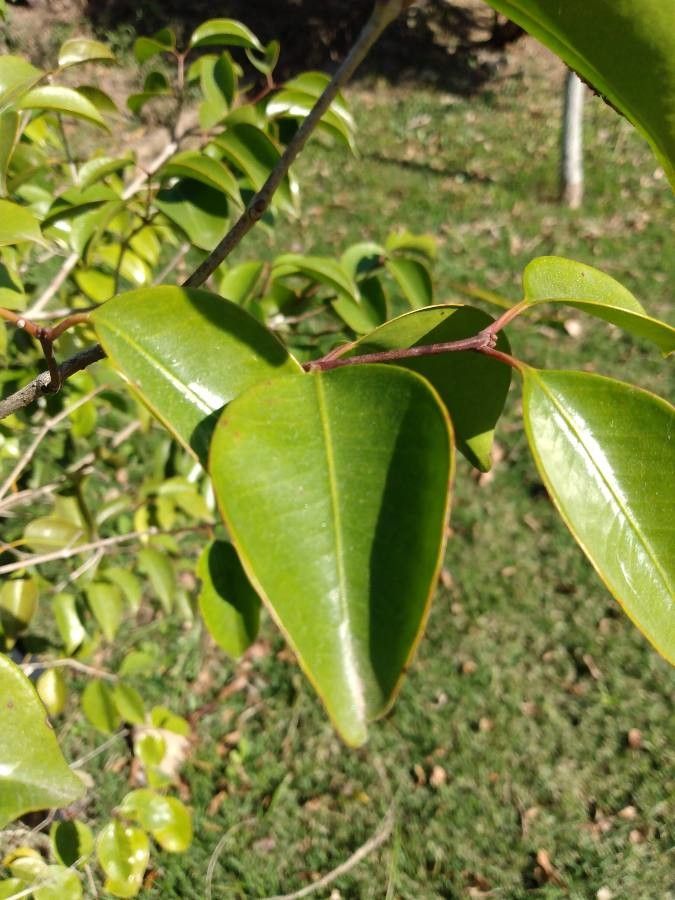
Propagating Eugenia copacabanensis: A Gardener’s Guide to the Brazilian Beauty
Introduction:
Eugenia copacabanensis, commonly known as the Copacabana Eugenia or sometimes mistakenly as the "Coast Eugenia," is a captivating shrub or small tree prized for its glossy, dark green foliage and attractive, often profuse, white flowers. Native to Brazil, this plant has gained popularity among gardeners for its relatively compact size, suitability for containers, and its potential to bring a touch of tropical elegance to gardens worldwide. Its propagation, however, presents some unique challenges. Unlike some Eugenia species readily propagated from seed, E. copacabanensis presents a more complex propagation scenario.
Seed Germination:
Currently, there are no known reliable methods for seed germination propagation of Eugenia copacabanensis. While seeds may be produced, germination rates are exceptionally low, and even when germination occurs, seedling survival is often poor. Further research is needed to determine if specific pre-treatment techniques (such as scarification or stratification) might improve germination success.
Cuttings:
Cuttings offer a more promising method for propagating Eugenia copacabanensis.
Challenges: Success depends heavily on proper technique and environmental conditions. Rooting can be slow, and cuttings are susceptible to fungal diseases if not kept in a sterile and well-ventilated environment. The use of rooting hormone is highly recommended.
Practical Tips: Take semi-hardwood cuttings (about 4-6 inches long) in late spring or early summer. Remove lower leaves, dip the cut end in rooting hormone, and plant in a well-draining medium (e.g., a mix of perlite and peat moss). Maintain high humidity (e.g., using a humidity dome or propagating tray) and consistent moisture, but avoid overwatering. Mist cuttings regularly to maintain leaf turgor. Rooting can take several weeks to months.
- Rewards: Cuttings maintain the parent plant’s genetic characteristics, ensuring you get a plant identical to the mother plant. This method allows for efficient propagation of desirable cultivars.
Division:
Division is not a practical method for propagating Eugenia copacabanensis. This plant typically doesn’t develop the multi-stemmed structure that lends itself to division.
Tissue Culture:
Tissue culture offers the potential for large-scale propagation of Eugenia copacabanensis and may overcome the challenges associated with other methods.
Challenges: Tissue culture requires specialized equipment, a sterile environment, and expertise in plant tissue culture techniques. It is a more complex and costly method than cuttings. Finding a suitable culture medium and optimizing growth conditions may require experimentation.
Practical Tips: This method should be undertaken by professionals with experience in plant tissue culture. Sterilization of the explant (plant material), selection of suitable media, and the careful management of growth regulators (plant hormones) are crucial for success.
- Rewards: Tissue culture allows for rapid and large-scale propagation, producing a large number of genetically identical plants from a single explant. It can also be used to eliminate diseases from the mother plant.
Conclusion:
Propagating Eugenia copacabanensis presents unique challenges, with seed germination proving unreliable. Cuttings offer a more viable option for the home gardener, demanding patience and attention to detail. Tissue culture presents the potential for mass production but requires specialized knowledge and equipment. The rewards, however, are well worth the effort. Successfully cultivating this beautiful plant, whether from a tiny cutting or a tissue-cultured plantlet, offers a profound sense of accomplishment. The glossy foliage and delicate flowers are a testament to your dedication and skill. For aspiring propagators, remember that patience, persistence, and a little bit of experimentation are key to success. Don’t be discouraged by initial setbacks; the beauty of a successfully propagated Eugenia copacabanensis will make it all worthwhile.