
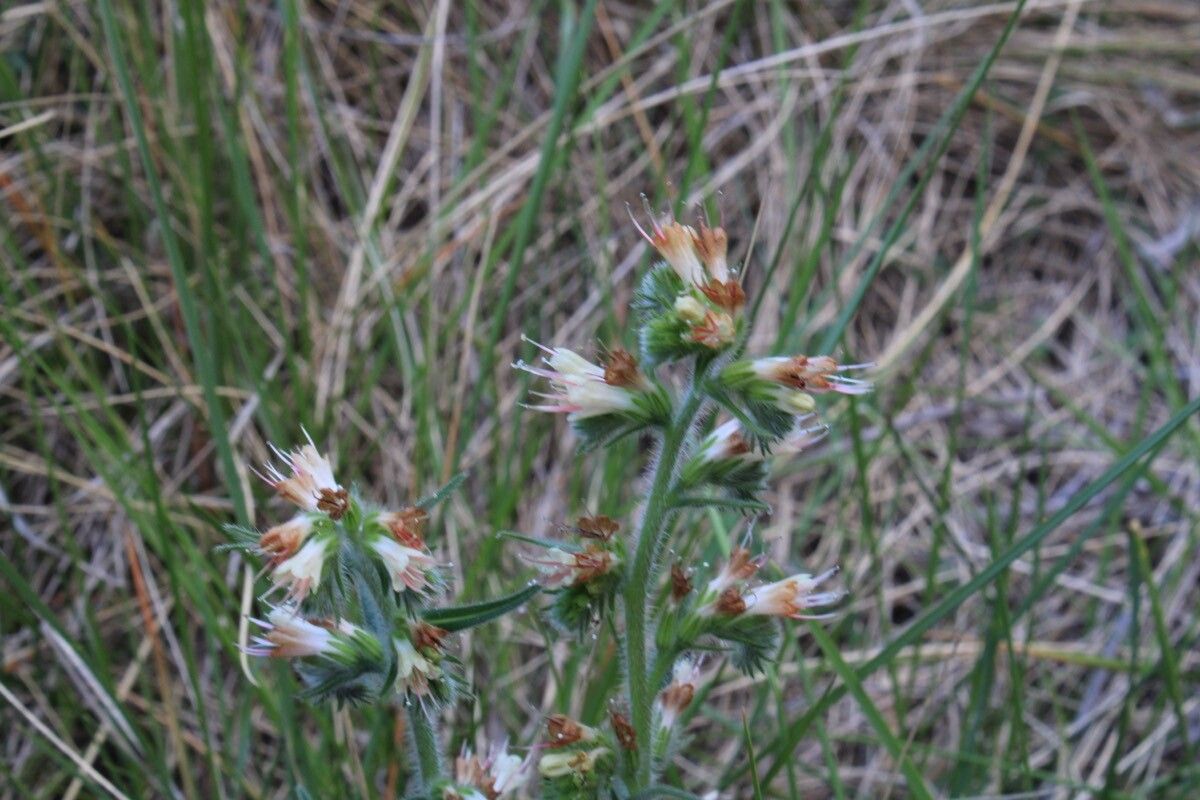
Propagating Echium flavum: A Golden Challenge
Introduction
Echium flavum, commonly known as the yellow viper’s bugloss, is a striking biennial or short-lived perennial boasting vibrant golden-yellow flowers arranged in dense, spiky inflorescences. Its architectural form and bold color make it a highly desirable plant for gardeners, particularly in rock gardens, borders, and wildflower meadows. Its relative ease of cultivation (once established) belies the challenges presented by its propagation. While relatively straightforward to grow from established plants, starting new plants from scratch requires patience and understanding of its propagation quirks. This article explores various methods of propagating Echium flavum, outlining their viability and offering practical advice.
Seed Germination:
Seed germination for Echium flavum is a viable but often challenging method. The seeds have a degree of dormancy which can hinder germination.
Challenges: Germination rates can be unpredictable and often low; seeds may require specific conditions to break dormancy.
Practical Tips: Success often hinges on cold stratification. Sow seeds outdoors in autumn, allowing the natural winter cold to break dormancy. Alternatively, stratify seeds artificially by placing them in a moist medium (vermiculite or peat moss) in a sealed bag and refrigerating them for 6-8 weeks at approximately 4°C (39°F) before sowing in a well-drained seed compost. Ensure good drainage to prevent damping off. Maintain consistent moisture but avoid excess wetness.
Rewards: Successfully germinating seeds offers the greatest genetic diversity, allowing for a broader range of plants with potentially varied characteristics. It is also the most cost-effective method for large-scale propagation.
Cuttings:
Cuttings propagation for Echium flavum is possible, but generally considered less reliable than seed germination.
Challenges: Success rates are often low, as the cuttings can be prone to rot and slow to root. Semihardwood cuttings taken in late summer might offer the best chance of success.
Practical Tips: Use sharp, sterile tools to take 8-10cm cuttings from non-flowering stems. Remove lower leaves to prevent rot. Dip cuttings in rooting hormone before planting in a well-drained, moist propagation mix. Maintain high humidity (e.g., by using a propagation dome or plastic bag) and a warm temperature.
Rewards: Cuttings offer a faster way to propagate selected desirable plants than seed germination, maintaining the exact genetic characteristics of the mother plant.
Division:
Division is a feasible method for propagating Echium flavum, but only suitable for established plants.
Challenges: Echium flavum doesn’t readily form dense clumps, limiting the number of divisions possible from a single plant. Careful handling is required to avoid damaging the root system.
Practical Tips: Divide established plants in early spring or autumn during periods of active growth. Ensure each division has a robust root system and sufficient foliage. Plant new divisions in well-prepared and well-drained soil.
Rewards: Division maintains the genetic integrity of the parent plant and provides a relatively quick way to increase plant numbers.
Tissue Culture:
Currently, there is limited publicly available information on the effectiveness of tissue culture propagation for Echium flavum. Further research is needed to establish reliable techniques.
Conclusion
Propagating Echium flavum presents unique challenges. While seed germination offers the greatest potential for genetic diversity and large-scale propagation, it requires patience and specific conditions to achieve reasonable success rates. Cuttings and division offer alternative but less reliable methods, primarily suitable for small-scale propagation of selected genotypes.
The satisfaction of successfully nurturing these golden blooms from seed, cuttings, or division is indeed rewarding, partly because of the effort involved. The unique architectural character and vibrant color of Echium flavum more than compensate for the propagation hurdles. Don’t be discouraged by initial setbacks; experimentation and attention to detail are key to success. The journey of propagating this striking plant promises a fulfilling horticultural experience.