
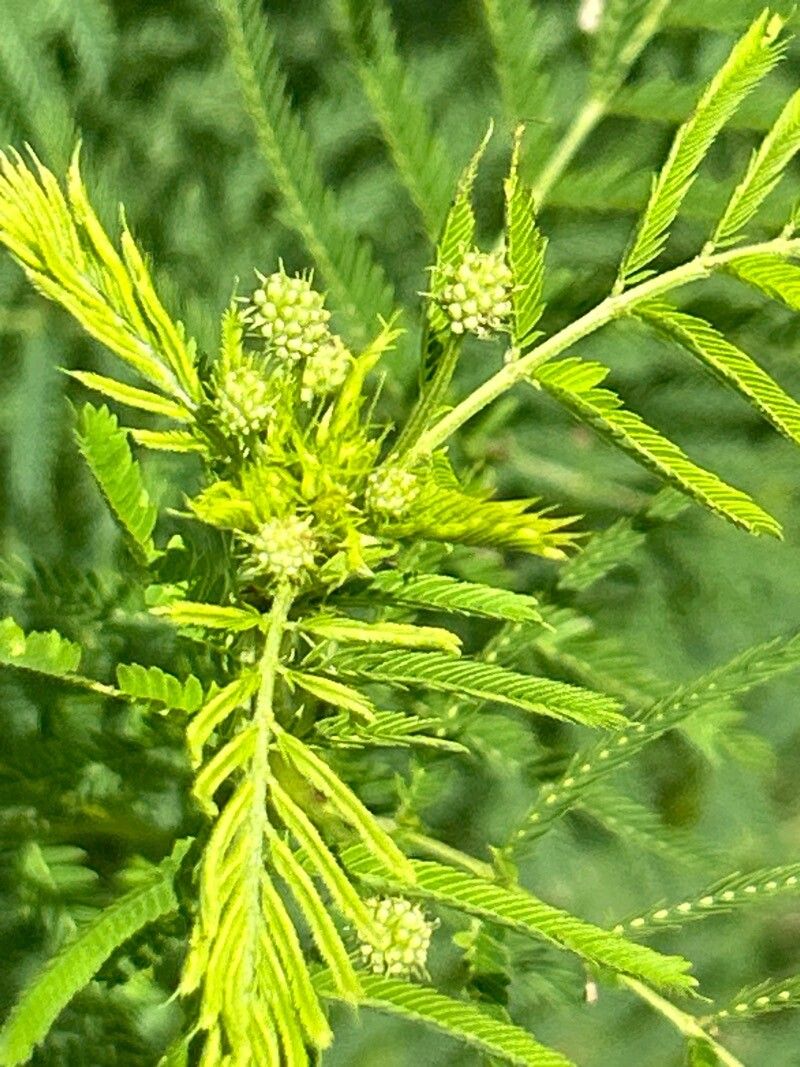
Propagating Desmanthus illinoensis: The Humble Charm of Illinois Bundleflower
Desmanthus illinoensis, commonly known as Illinois bundleflower, is a charming, drought-tolerant perennial legume native to the central and southern United States. Its delicate, fern-like foliage and attractive, fluffy seedpods add a unique textural element to gardens, making it a popular choice among gardeners seeking low-maintenance, native plants. Its ability to fix nitrogen in the soil also makes it a beneficial addition to any landscape. However, propagation can present some unique challenges. Let’s explore the various methods.
Seed Germination:
Seed germination is a viable, albeit challenging, method for propagating Desmanthus illinoensis. Illinois bundleflower seeds possess a hard seed coat that inhibits germination. This dormancy mechanism is a natural survival strategy, ensuring seeds germinate under optimal conditions.
Challenges: The primary challenge is breaking seed dormancy. Simply sowing seeds directly into the soil often results in poor germination rates.
Practical Tips: Scarification is crucial. This can be achieved by nicking the seed coat with a file or sandpaper, or by soaking the seeds in concentrated sulfuric acid for a short period (follow safety precautions carefully). After scarification, pre-soaking seeds in warm water for 24-48 hours can further improve germination. Sowing should occur in a well-draining seed starting mix, kept consistently moist (but not soggy) in a warm location (ideally 70-75°F).
Rewards: Successful seed germination offers the advantage of genetic diversity, allowing for the establishment of a population with varied characteristics. It also presents the potential for large-scale propagation, ideal for restoration projects or commercial cultivation.
Cuttings:
Cuttings, specifically semi-hardwood cuttings taken in late summer or early fall, offer a reasonable propagation method for Desmanthus illinoensis.
Challenges: Rooting can be slow and inconsistent. The success rate depends heavily on maintaining optimal humidity and temperature, preventing fungal diseases, and using rooting hormone.
Practical Tips: Cuttings should be approximately 4-6 inches long, taken from young, actively growing stems. Remove lower leaves to prevent rotting. Dip the cut ends in rooting hormone before planting in a well-draining propagation mix. Cover the cuttings with a clear plastic dome or propagator to maintain high humidity. Bottom heat can also significantly improve rooting.
Rewards: Cuttings provide a quicker method of propagation compared to seed germination and produce genetically identical plants to the parent plant. This is useful for preserving desirable traits.
Division:
Division is a relatively straightforward method, particularly for established plants.
Challenges: Division is successful only with mature plants possessing well-developed root systems. Care must be taken to avoid damaging the roots during the process.
Practical Tips: Divide the plant in early spring or fall, ensuring each division has sufficient roots and top growth. Plant the divisions in well-prepared soil with adequate spacing for growth.
Rewards: Division offers a quick method of propagation for established plants with high success rates, and can easily expand your existing plants.
Tissue Culture:
While technically feasible, tissue culture propagation of Desmanthus illinoensis is not commonly practiced by home gardeners due to the specialized equipment, sterile environment, and technical expertise required.
Challenges: Establishment of a sterile culture and finding the optimal media and growth conditions for rapid multiplication can be complex and require significant investment.
Practical Tips: This method would typically involve obtaining explants from sterile plant tissue (e.g., shoot tips) and culturing them on a nutrient-rich agar medium.
Rewards: Tissue culture allows for mass propagation of superior genotypes and the possibility for disease elimination. However, the high initial investment limits its practicality for most home gardeners.
Conclusion:
Propagating Desmanthus illinoensis presents different challenges and rewards depending on the method chosen. Seed germination, while potentially rewarding in terms of genetic diversity, necessitates overcoming seed dormancy. Cuttings provide a faster, albeit less genetically diverse, approach. Division is straightforward for established plants. Tissue culture, while effective for large-scale production, requires specialized knowledge and resources. The unique satisfaction of successfully cultivating this lovely native plant is amplified by the challenges involved. Don’t be discouraged by setbacks; persistence and a willingness to experiment will ultimately lead to success, bringing the beautiful charm of Illinois bundleflower into your garden. Remember to observe your plants, adjust your techniques accordingly, and enjoy the journey!