
Propagating Dolichos oliveri: A Gardener’s Guide
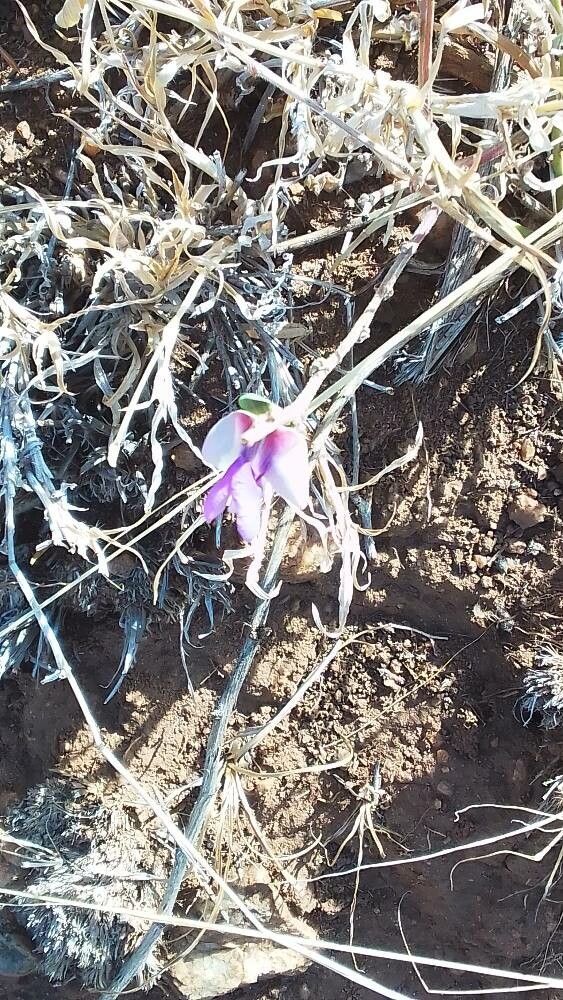
Dolichos oliveri, commonly known as the "Oliver’s Dolichos" or sometimes mistakenly grouped with similar flowering vines, is a captivating climbing plant prized for its vibrant, often showy flowers and attractive foliage. Its unique characteristics make it a desirable addition to any garden, but its propagation presents certain challenges. This article explores various propagation methods for Dolichos oliveri, outlining their effectiveness and offering practical advice.
Seed Germination:
Currently, there are no known reliable methods for seed germination propagation of Dolichos oliveri. While seeds may be produced, their viability and germination rate are reportedly extremely low, making this method impractical for most gardeners. Further research is needed to determine if specific pre-treatments or environmental conditions could improve germination success.
Cuttings:
Cuttings offer a more promising approach to propagating Dolichos oliveri.
Challenges: Taking cuttings requires skill and patience. The success rate depends on factors such as the timing (ideally during active growth periods), the use of rooting hormone, and maintaining consistently high humidity and warm temperatures. The plant’s tendency to be somewhat woody can also make it challenging to strike cuttings.
Tips: Semi-hardwood cuttings, taken from new growth in late spring or early summer, are most successful. Dip the cut ends in a rooting hormone solution before planting in a well-draining propagation mix, such as a peat-perlite blend. Cover the cuttings with a plastic bag or dome to maintain high humidity. Ensure adequate light but avoid direct sunlight. Root formation might take several weeks.
Rewards: Successfully propagating Dolichos oliveri from cuttings provides a reliable and relatively quick way to increase plant numbers, preserving the exact genetic characteristics of the mother plant.
Division:
Division is not a practical propagation method for Dolichos oliveri. The plant’s growth habit doesn’t lend itself to easily separable root systems that would allow successful division.
Tissue Culture:
Tissue culture presents a possibility for large-scale propagation of Dolichos oliveri, though it’s a highly technical approach demanding specialized equipment and sterile conditions.
Challenges: Establishing aseptic conditions is crucial to avoid contamination. The intricate procedures and specialized media involved make this method expensive and time-consuming. Optimizing the culture medium for successful shoot proliferation and root induction might require experimentation.
Tips: This method is best left to experienced tissue culture specialists.
Rewards: Tissue culture offers a high multiplication rate, enabling mass production of plants for commercial or conservation purposes. The technique is also valuable for the elimination of pathogens and the maintenance of disease-free plant stocks.
Conclusion:
Propagating Dolichos oliveri is not without its hurdles. While seed germination is presently unreliable, cuttings provide a relatively accessible method for the enthusiastic gardener. Tissue culture, although demanding, offers a superior route for large-scale multiplication, particularly for commercial purposes or conservation efforts. The rewards, however, are well worth the effort. Successfully cultivating this striking plant, whether from a carefully rooted cutting or through the more advanced methods of tissue culture, provides immense satisfaction and a personal connection to the plant’s beauty. Remember to be patient, meticulous, and persistent, and you can enjoy the unique pleasure of propagating and nurturing this captivating climbing vine. The journey to successfully propagating your own Dolichos oliveri is a testament to your dedication as a gardener.