
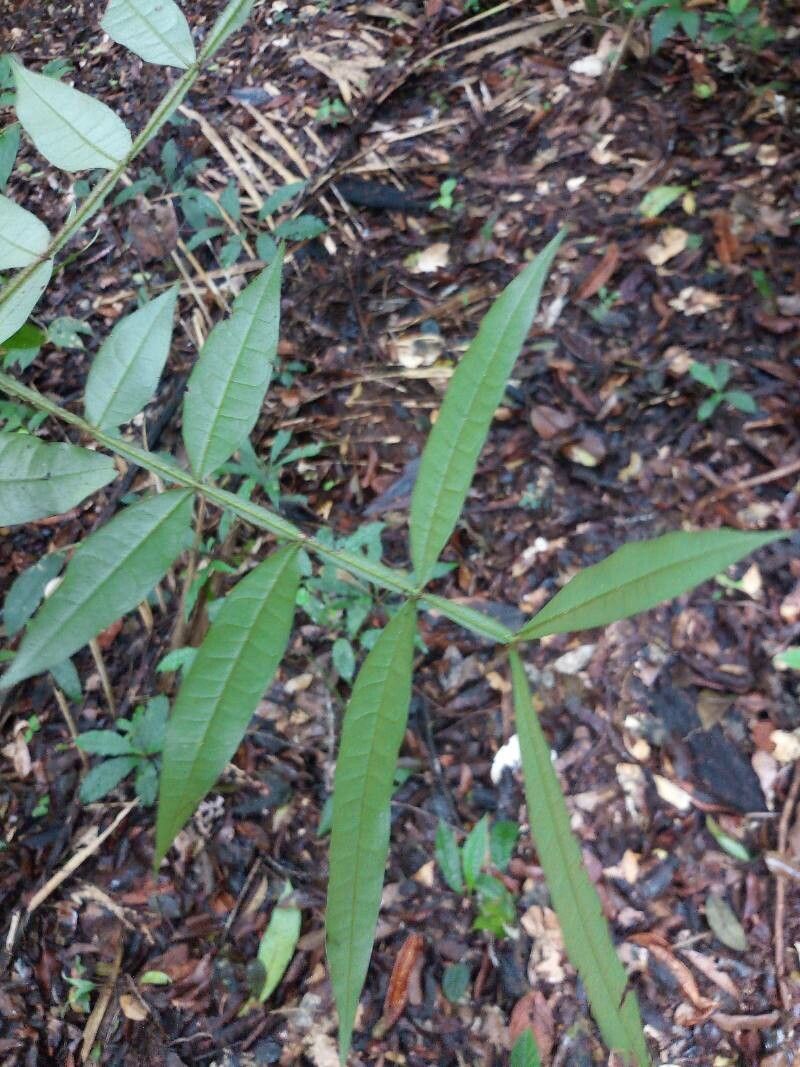
Propagating Inga longiflora: A Gardener’s Guide to the Ice Cream Bean
Inga longiflora, commonly known as the Ice Cream Bean, is a captivating tropical tree prized for its deliciously sweet, edible pulp surrounding its seeds. Its delicate, fragrant flowers further enhance its appeal, making it a popular choice among gardeners seeking an unusual and rewarding addition to their collections. Its relatively fast growth and attractive form add to its horticultural significance, but propagation presents some unique challenges. This article explores various methods for propagating Inga longiflora, weighing their viability and effectiveness.
Seed Germination:
Currently, there are no known reliable methods for seed germination propagation of Inga longiflora. While seeds may occasionally germinate under ideal conditions, the germination rate is notoriously low and unpredictable. The seeds’ hard coats and potential for dormancy contribute to this challenge. Even with pre-treatment methods like scarification or soaking, consistent success remains elusive. Therefore, relying solely on seed germination is not a practical approach for propagating Inga longiflora.
Cuttings:
Cuttings provide a more reliable method for propagating Inga longiflora compared to seeds. However, challenges remain.
- Challenges: Successfully rooting cuttings requires precise technique and favorable environmental conditions. The success rate can vary depending on the age and health of the parent plant, the type of cutting (hardwood vs. softwood), and the rooting medium. Fungal infections can also pose a significant threat.
- Practical Tips: Semi-hardwood cuttings taken in late spring or early summer generally yield better results. Using a rooting hormone increases the chances of success. A well-draining, sterile medium such as a perlite and vermiculite mix is recommended. Maintaining high humidity (e.g., using a propagator or humidity dome) and consistent warmth are crucial.
- Rewards: Cuttings offer a faster way to obtain a new plant that is genetically identical to the parent, preserving desirable traits. This method is ideal for propagating a specific cultivar or a plant with exceptionally attractive features.
Division:
Division is not a viable propagation method for Inga longiflora. Unlike plants that naturally form offsets or suckers, Inga longiflora does not readily lend itself to division. Attempting to divide a mature plant would likely result in significant damage and potentially kill both the parent and the separated portions.
Tissue Culture:
Tissue culture offers the potential for large-scale propagation of Inga longiflora and overcoming the challenges associated with other methods.
- Challenges: Tissue culture requires specialized equipment, a sterile laboratory environment, and expertise in plant tissue culture techniques. It can be a costly and time-consuming method, requiring considerable technical knowledge and skill.
- Practical Tips: Sterile techniques are paramount to avoid contamination. The use of appropriate growth media and plant hormones is essential for successful shoot multiplication and rooting.
- Rewards: Tissue culture allows for the rapid production of numerous genetically identical plants from a small amount of source material. This is particularly advantageous for preserving rare or valuable cultivars.
Conclusion:
Propagating Inga longiflora presents unique challenges across all methods. While seed germination is currently unreliable, cuttings offer a practical, albeit somewhat challenging, approach for the home gardener. Tissue culture presents the most promising method for large-scale propagation, but requires specialized knowledge and resources. The rewards of successfully cultivating this captivating tree—from the exquisite aroma of its blossoms to the delightful taste of its ice cream bean pods—make the effort worthwhile. For aspiring propagators, patience, meticulous attention to detail, and a willingness to experiment are key to success. Don’t be discouraged by initial setbacks; the satisfaction of nurturing an Inga longiflora from a cutting, or through tissue culture, represents a significant horticultural accomplishment.