
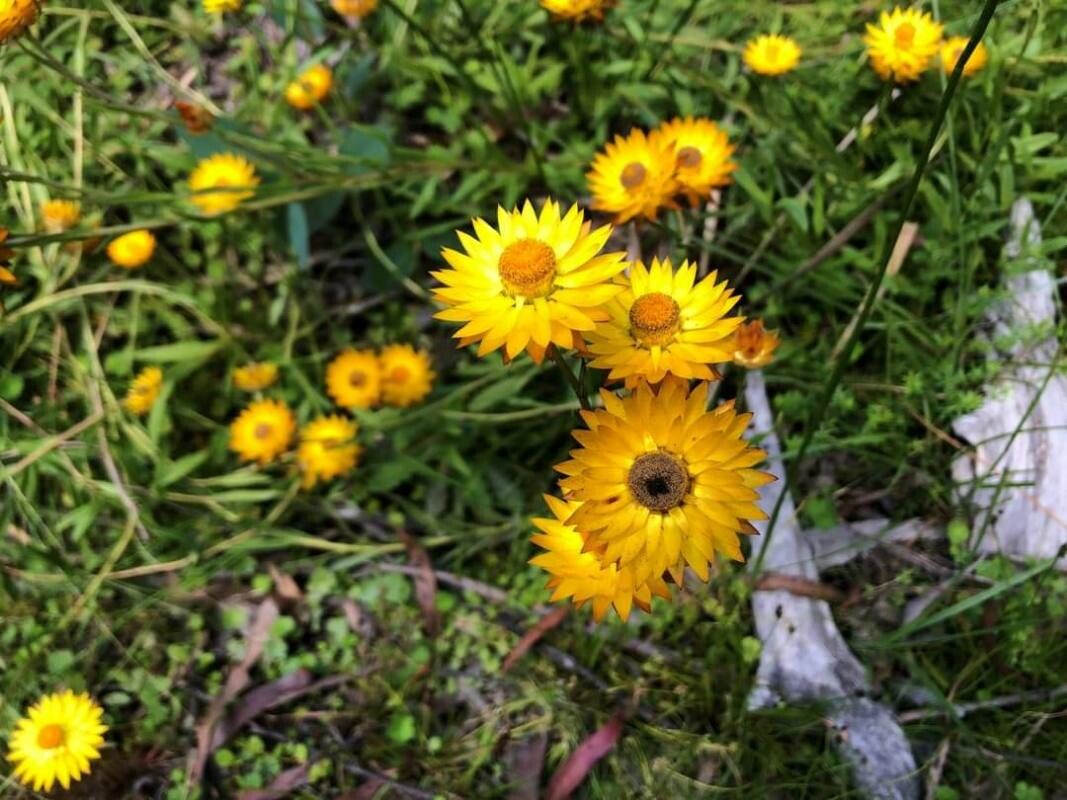
Propagating the Everlasting Daisy: A Guide to Xerochrysum palustre
Introduction:
Xerochrysum palustre, commonly known as the swamp everlasting or paper daisy, is a captivating Australian native plant prized for its striking, long-lasting blooms. Its vibrant, papery bracts in shades of yellow, orange, and white offer remarkable beauty in cut flower arrangements and add texture and color to drought-tolerant gardens. The plant’s resilience and adaptability make it a popular choice among gardeners, but propagation can present unique challenges. While relatively easy to establish once grown, getting started can require patience and specific techniques.
Seed Germination:
Currently, there are no known reliable methods for seed germination propagation of Xerochrysum palustre. While seeds may be produced, germination rates are extremely low, and successful establishment from seed is erratic and unreliable. Further research into specific germination requirements might be needed to improve this method.
Cuttings:
Cuttings offer a more viable method for propagating Xerochrysum palustre.
Challenges: Success hinges on using fresh, healthy cuttings and providing optimal conditions. The cuttings are susceptible to fungal diseases if not kept clean and adequately ventilated.
Practical Tips: Take semi-hardwood cuttings (about 4-6 inches long) in spring or early summer from healthy stems. Remove lower leaves to prevent rot. Dip the cut end in rooting hormone powder before planting in a well-draining, sterile mix like perlite and vermiculite. Maintain a humid environment using a propagator or plastic bag to cover the cuttings. Ensure adequate light (but not direct sun) and consistent moisture.
Rewards: Cuttings offer a relatively quick and reliable method to clone existing plants, preserving desirable characteristics and ensuring a quick increase in plant numbers. This method is ideal for smaller scale propagation for personal use or for propagating specific cultivars.
Division:
Division is another successful approach for propagating Xerochrysum palustre, particularly for established plants.
Challenges: This is only feasible with mature, well-developed plants. Care must be taken to avoid damaging the root system during the division process.
Practical Tips: Divide the plant in spring or autumn, ensuring each division contains healthy roots and foliage. Plant the divisions in well-prepared soil, ensuring adequate spacing. Water gently after planting to avoid root shock.
Rewards: Division allows for easy multiplication of existing plants, preserving the existing genetic material. It’s a comparatively simpler technique than cuttings, making it suitable for gardeners of all skill levels.
Tissue Culture:
Tissue culture is a less commonly used method for Xerochrysum palustre propagation, primarily due to its specialist requirements and cost.
Challenges: This requires specialized equipment, sterile conditions, and a deep understanding of plant tissue culture techniques. Developing a successful protocol for Xerochrysum palustre would require significant research and investment.
Practical Tips: This method would involve excising small pieces of plant tissue (e.g., shoot tips or leaf segments) and growing them in a nutrient-rich agar medium under sterile conditions. This method offers the potential for mass propagation and the elimination of diseases, but it’s not readily accessible for home gardeners.
Rewards: Tissue culture presents the potential for mass propagation, disease-free plants, and the preservation of valuable germplasm. However, the technical expertise and infrastructure required make it impractical for most home gardeners.
Conclusion:
Propagating Xerochrysum palustre offers a rewarding but sometimes challenging experience. While seed germination is unreliable, cuttings and division provide accessible pathways to successfully increase the number of these stunning plants. Tissue culture remains a specialist method. The satisfaction of nurturing a cutting or division into a thriving plant, knowing you’ve contributed to its continuation, is deeply fulfilling. Don’t be discouraged by initial setbacks; the persistence required is often rewarded with a beautiful display of these unique everlastings. Choose the method best suited to your resources and experience, and enjoy the process of bringing these vibrant Australian natives to life.