
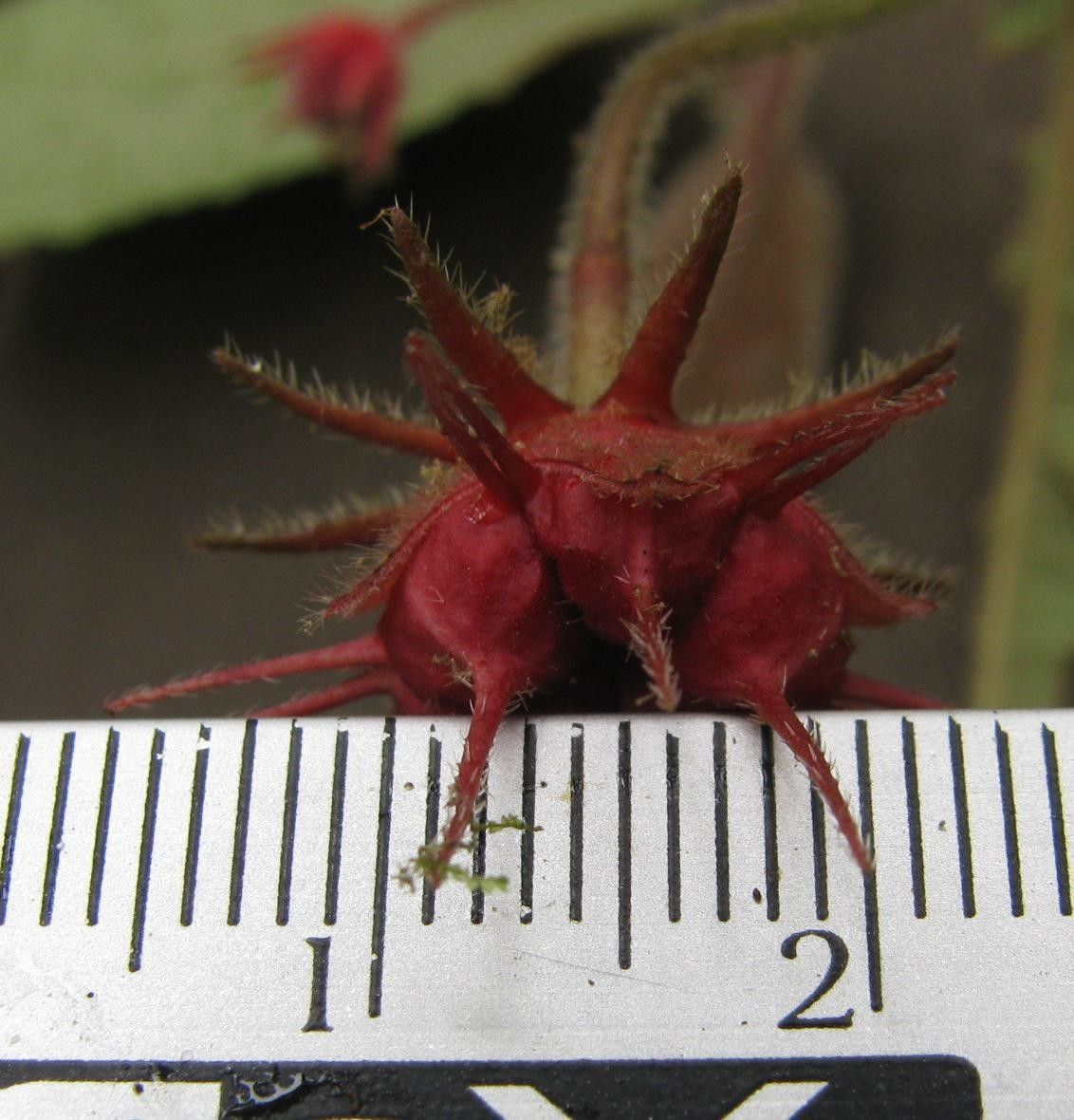
Propagating Pavonia penduliflora: A Gardener’s Guide to the Scarlet Flax
Pavonia penduliflora, commonly known as Scarlet Flax or Hanging Pavonia, is a captivating shrub boasting vibrant, pendulous scarlet flowers that attract pollinators and delight gardeners alike. Its relatively compact size and striking blooms make it a popular choice for borders, containers, and even hanging baskets. Propagating this stunning plant, however, presents unique challenges, making successful cultivation especially rewarding. The unique aspects relevant to its propagation lie in its relatively low seed production and somewhat fussy rooting tendencies.
Seed Germination:
Currently, there are no known reliable methods for seed germination propagation of Pavonia penduliflora. While the plant does produce seeds, their germination rate is reportedly very low, making this method impractical for most home gardeners. Further research into specific germination requirements, such as scarification techniques or hormone treatments, may be needed to improve success rates.
Cuttings:
Challenges: Rooting cuttings of Pavonia penduliflora can be challenging. The success rate depends heavily on factors like the age and health of the parent plant, the timing of the cutting, and the provision of optimal rooting conditions.
Practical Tips: Semi-hardwood cuttings taken in late summer or early autumn generally yield the best results. Use a sharp, clean blade to take cuttings about 4-6 inches long, removing lower leaves to prevent rot. Apply a rooting hormone before planting in a well-draining propagating mix, such as a mix of perlite and peat moss. Maintain high humidity, ideally using a humidity dome or propagator. Consistent bottom heat will also aid in root development.
Rewards: Cuttings offer a relatively quick way to propagate a plant genetically identical to the parent. This ensures that desirable traits are preserved. It’s also a relatively straightforward method once techniques are mastered.
Division:
Challenges: Division is only viable for established plants that have developed a substantial root system. Forcing division before the plant is mature can damage the plant.
Practical Tips: The best time to divide Pavonia penduliflora is during the dormant season (late winter or early spring). Carefully dig up the mature plant and gently separate the root ball into smaller sections, ensuring each section has sufficient roots and stems. Replant the divisions immediately in well-draining soil, ensuring proper watering. Be gentle to avoid damaging the delicate roots.
Rewards: Division, when successful, allows for the rapid expansion of existing plants, offering a relatively quick and efficient method.
Tissue Culture:
Challenges: Tissue culture is a complex and technically demanding method requiring specialized equipment and expertise. It’s generally not a viable option for the average home gardener.
Practical Tips: Sterile techniques are crucial to avoid contamination. Establishment of aseptic conditions and utilizing appropriate growth media are critical for success. Experienced lab technicians are required for effective implementation.
Rewards: Tissue culture offers the potential for large-scale propagation and the elimination of pathogens, leading to healthier plants. It would allow for the preservation of genetically superior cultivars.
Conclusion:
Propagating Pavonia penduliflora presents various challenges across different methods. While seed propagation remains largely unreliable, cuttings offer a reasonable approach for the dedicated gardener, demanding patience and attention to detail. Division is a viable option for established plants. Tissue culture offers a superior method but requires specialized knowledge and equipment. The rewards, however – the vibrant display of scarlet flowers adorning your garden – make the effort worthwhile. The unique satisfaction derived from successfully cultivating this beautiful plant from a cutting or a division stems directly from overcoming these challenges. So, armed with patience, perseverance, and the knowledge shared here, embark on your Pavonia penduliflora propagation journey; the beauty of the resulting plants will be ample reward.