
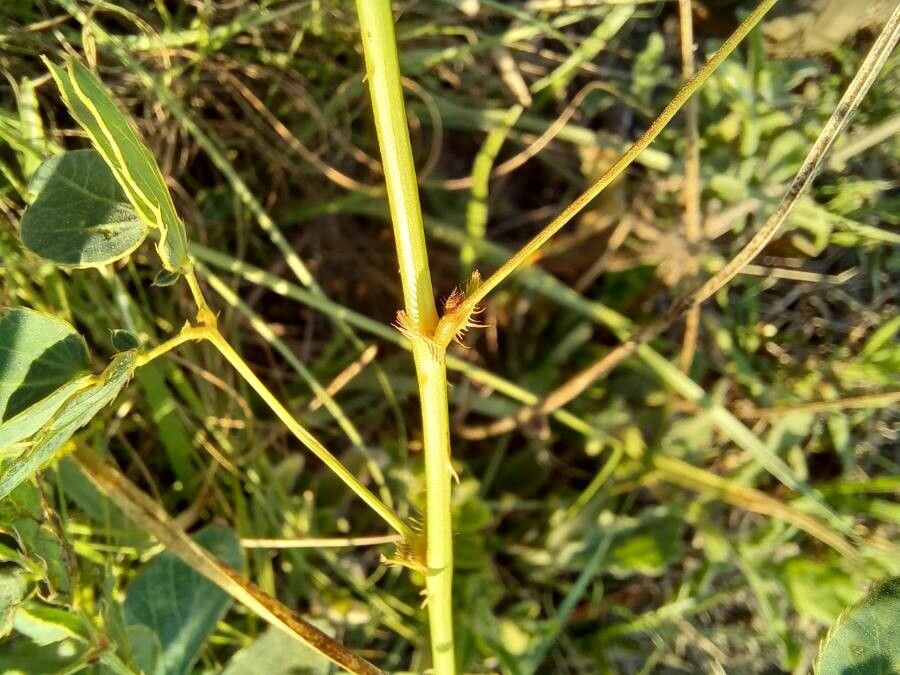
Propagating Mimosa glabra: A Guide to Growing the Catclaw Sensitive Briar
Introduction:
Mimosa glabra, commonly known as the catclaw sensitive briar, is a fascinating and resilient plant native to the southeastern United States. This shrub, known for its delicate, fern-like foliage and characteristic sensitive leaves which fold up upon touch, holds a unique place in the hearts of many gardeners. Its nitrogen-fixing ability makes it valuable for soil improvement, and its tolerance of poor conditions makes it a resilient option for landscaping projects. While readily available as a nursery plant, propagating Mimosa glabra from existing specimens can be rewarding, though it presents unique challenges. Its popularity amongst gardeners is due to its low-maintenance nature and ecological benefits, sparking interest in its propagation for both personal use and possibly larger-scale restoration projects.
Seed Germination:
Seed germination is a viable method for propagating Mimosa glabra, though it can be somewhat challenging. The hard seed coat acts as a significant barrier to germination, hindering water uptake.
Challenges: The primary challenge is breaking seed dormancy. The hard seed coat requires scarification to improve germination rates.
Practical Tips: To break dormancy, scarification can be achieved through mechanical methods (nicking the seed coat with a file or sandpaper) or chemical methods (soaking seeds in concentrated sulfuric acid for a short period – proceed with caution and follow instructions carefully). After scarification, seeds should be sown in a well-draining seed-starting mix, kept moist but not waterlogged, and placed in a warm location (around 70-80°F) with bright, indirect light.
Rewards: Successful seed germination offers the advantage of genetic diversity, allowing for a broader range of plant characteristics. It’s also a cost-effective way to propagate numerous plants, making it ideal for large-scale planting projects.
Cuttings:
Cuttings are a relatively straightforward method for propagation, particularly using semi-hardwood cuttings.
Challenges: The success rate can be variable, depending on the timing of the cuttings and environmental factors. Proper sanitation to prevent fungal or bacterial infections is crucial.
Practical Tips: Take cuttings from healthy, non-flowering stems in late spring or early summer. Each cutting should be approximately 4-6 inches long, with several nodes. Remove the lower leaves and dip the cut end in a rooting hormone before planting in a well-draining propagating mix. Maintain high humidity through a plastic dome or misting and ensure appropriate light and warmth.
Rewards: Cuttings generally produce genetically identical plants to the mother plant, preserving desirable traits. It’s relatively quick and allows for propagation from selected plants with superior characteristics.
Division:
Division is not a practical method for propagating Mimosa glabra. The plant’s root system is not easily divided, and attempting to do so often damages the plant, significantly reducing the chances of survival.
Tissue Culture:
While theoretically possible, tissue culture propagation of Mimosa glabra is rarely undertaken due to the higher costs and specialized equipment required. It is not a commonly used technique among home propagators.
Challenges: Establishing a sterile environment and maintaining the necessary conditions for optimal growth in vitro is complex and requires specialized knowledge and equipment.
Practical Tips: This method is beyond the scope of a home gardener and requires a sophisticated laboratory setting.
Conclusion:
Propagating Mimosa glabra offers unique challenges and rewards depending on the chosen method. Seed germination, while presenting initial hurdles, offers the greatest potential for large numbers and genetic diversity. Cuttings provide a more straightforward technique for replicating desirable traits from existing plants. Division is not a viable option. The specialized nature of tissue culture makes it impractical for most growers. Despite the potential difficulties, the satisfaction of successfully cultivating this beautiful and resilient plant, whether from seed or cuttings, is immense. The perseverance required highlights the joy of connecting with the natural world and the unique qualities of this fascinating plant. For aspiring propagators, patience and meticulous attention to detail are crucial for success. Remember to always prioritize sanitation to avoid potential issues with fungal or bacterial growth. Start small, learn from any setbacks, and celebrate the successes!