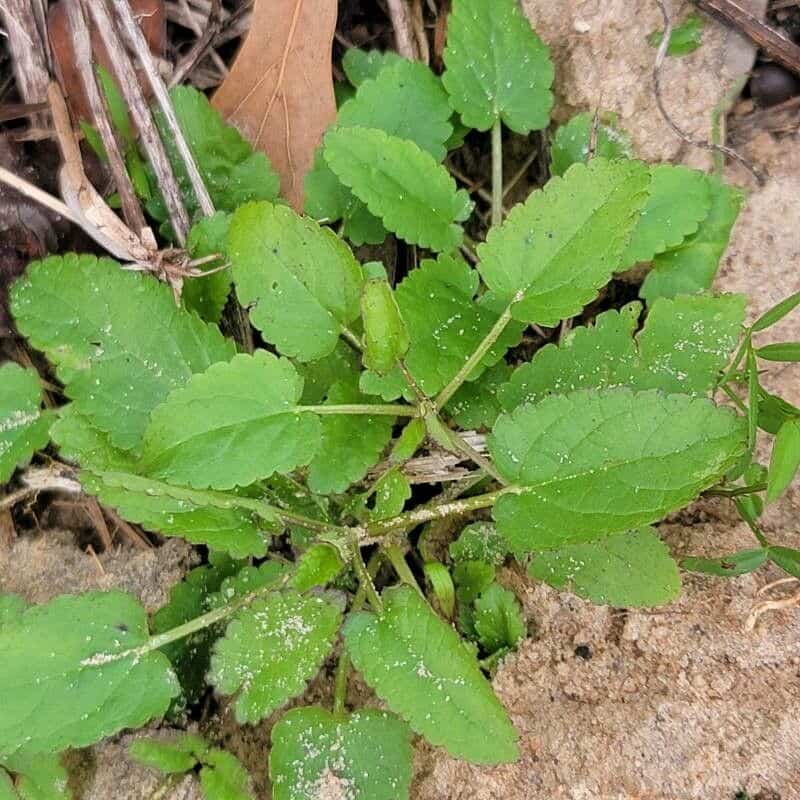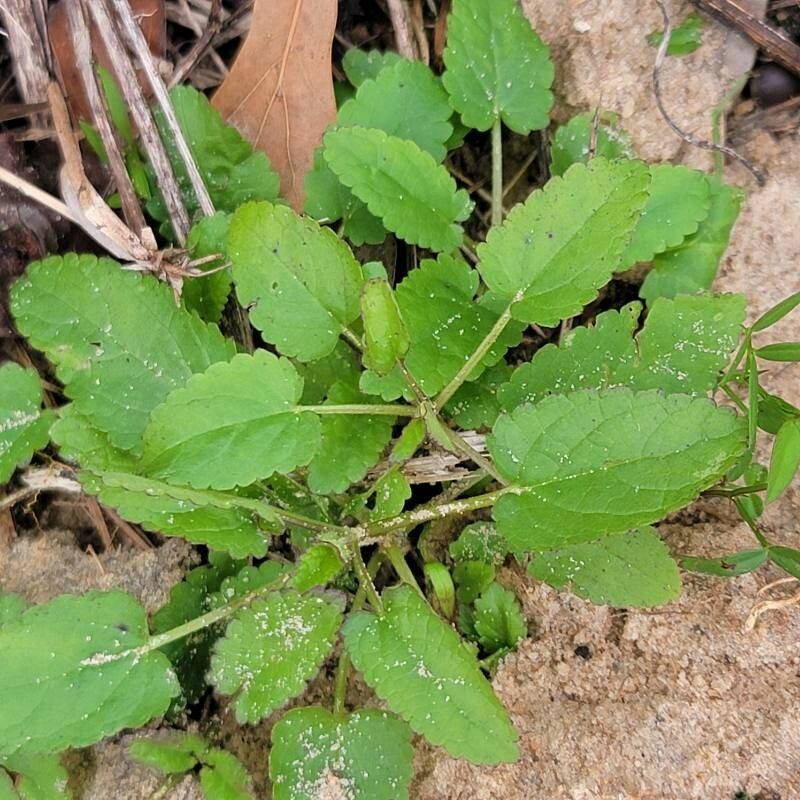
Propagating Stachys floridana: A Gardener’s Guide to the Florida Betony
Stachys floridana, commonly known as Florida betony, is a charming native perennial prized for its attractive, fuzzy foliage and delicate lavender-pink flower spikes. This relatively low-maintenance plant thrives in well-drained soil and tolerates a range of light conditions, making it a popular choice for both novice and experienced gardeners. Its resilience and attractive appearance contribute to its growing popularity, but propagation can present some unique challenges. This article explores various methods for successfully propagating Florida betony.
Seed Germination:
Currently, there are no known reliable methods for seed germination propagation of Stachys floridana. While the plant may produce seeds, germination rates are reportedly very low, and successful germination from seeds remains largely undocumented. Further research into seed viability and potential germination triggers (such as specific stratification techniques) is needed.
Cuttings:
Cuttings offer a much more reliable method for propagating Stachys floridana.
Challenges: Root development can be slow, and cuttings are susceptible to rot if not properly cared for.
Tips: Take semi-hardwood cuttings in late spring or early summer. Use a sharp, clean knife or shears to take 4-6 inch cuttings, removing lower leaves to prevent rot. Dip the cut ends in rooting hormone before planting them in a moist, well-draining medium such as a perlite and peat moss mix. Maintain consistently high humidity using a propagation dome or plastic bag. Provide bright, indirect light. Root development should commence within 4-6 weeks.
Rewards: This method offers a relatively quick way to produce several new plants, preserving the genetic characteristics of the mother plant.
Division:
Division is a highly effective technique for propagating Stachys floridana.
Challenges: Requires an established, mature plant. Improper division can damage the plant and reduce its chances of survival for both the parent and newly divided plants.
Tips: The best time to divide Florida betony is in spring or fall. Gently dig up the mature plant, carefully separating the root clump into smaller sections, ensuring each section has healthy roots and shoots. Replant the divisions in well-prepared soil, spacing them appropriately. Water well after planting.
Rewards: Division is a simple and reliable method, resulting in relatively quick establishment of new plants and significant increase in the number of plants.
Tissue Culture:
Tissue culture propagation of Stachys floridana is possible but requires specialized equipment and expertise, making it less accessible to the average gardener.
Challenges: Requires a sterile laboratory environment, specialized media, and skills in aseptic techniques. This method is costly and time-consuming.
Tips: Sterile techniques are crucial to avoid contamination. Using appropriate growth media and plant hormones are key for successful shoot multiplication and root development. Acclimatization of the plants after tissue culture to a greenhouse environment is essential for successful transplanting.
Rewards: Tissue culture offers the potential for large-scale propagation and the elimination of diseases. It allows for the preservation of valuable genetic material.
Conclusion:
While seed germination currently presents a significant hurdle, Stachys floridana can be successfully propagated via cuttings and division. Division provides the simplest and most accessible method for most home gardeners, offering a high success rate with relatively little technical expertise. Cuttings are also a reliable option, especially for preserving specific characteristics of a plant. Tissue culture, while feasible, is better suited to commercial or research settings. The satisfaction derived from successfully propagating Florida betony, especially through methods like division, is rewarding, given the initial challenges. The effort invested is richly compensated by the eventual flourishing of these beautiful and tenacious plants. Don’t be discouraged by the difficulties; experiment with the available methods and enjoy the journey of cultivating this delightful native plant.