
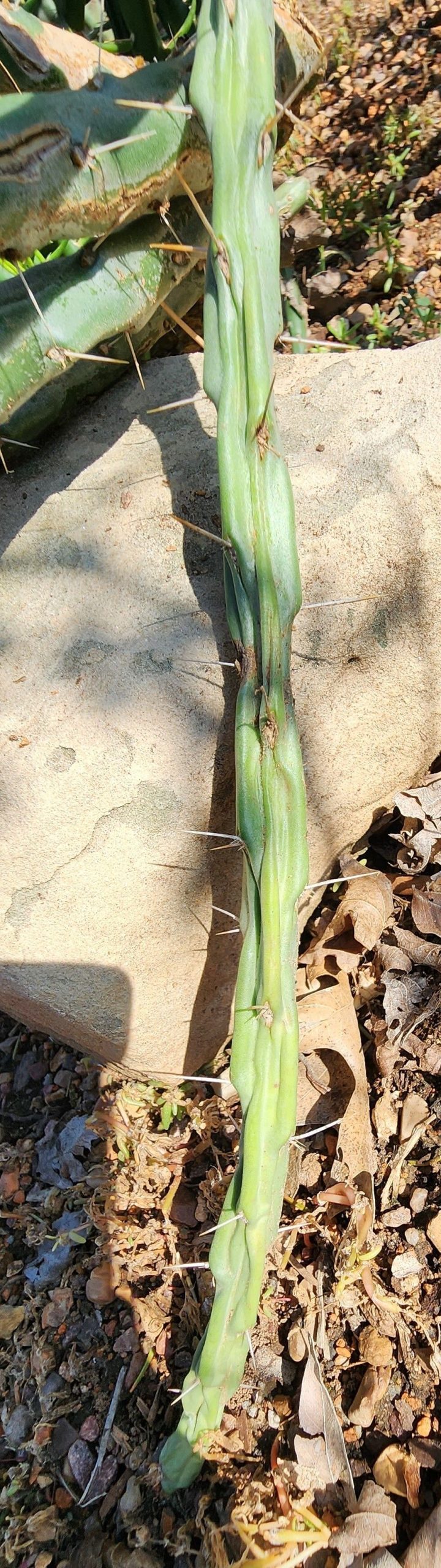
Propagating Harrisia adscendens: The Climbing Cereus’s Secrets to Success
Introduction:
Harrisia adscendens, commonly known as the climbing cereus or night-blooming cereus (though the latter name applies to several species), is a fascinating cactus prized for its scrambling habit, attractive flowers, and resilience. Its vigorous growth and tolerance of various conditions make it a popular choice among cactus enthusiasts. However, propagation can present unique challenges, owing to its specific needs and characteristics. This article explores different propagation methods for this captivating plant.
Seed Germination:
Currently, there are no known reliable methods for seed germination propagation of Harrisia adscendens. While seeds may be produced, the germination rate is notoriously low, and successful seedling establishment is exceptionally difficult. This is likely due to a combination of factors, including the need for specific environmental conditions and potential dormancy mechanisms within the seeds. Further research is required to determine if successful germination is even possible using current techniques.
Cuttings:
This is the most reliable and commonly used method for propagating Harrisia adscendens.
Challenges: The main challenge lies in preventing rot before rooting occurs. The cuttings are susceptible to fungal infections, especially in damp conditions.
Practical Tips: Take stem cuttings of approximately 10-15cm long from mature, healthy stems during the growing season (spring or summer). Allow the cut ends to callous over for a few days before planting. Use a well-draining cactus potting mix and ensure the cuttings are planted only partially buried. Avoid overwatering; allow the soil to dry out completely between waterings. Providing humidity (e.g., using a humidity dome) can improve success rates. The application of a rooting hormone may also prove beneficial.
Rewards: Cuttings are relatively easy to root, resulting in quick propagation, and produce clones of the parent plant, preserving desirable traits.
Division:
Harrisia adscendens, due to its vigorous growth habit, can be propagated through division.
Challenges: Successfully dividing the plant without damaging the root systems significantly is crucial. Overly large divisions may struggle to establish.
Practical Tips: This is best done during the active growing season, carefully separating off sections from the main plant that possess their own root systems or substantial root structures. Plant these divisions in well-draining soil, providing appropriate support where necessary.
Rewards: Division enables the rapid increase in the number of plants, particularly useful for larger established specimens.
Tissue Culture:
While theoretically possible, tissue culture propagation of Harrisia adscendens is typically undertaken only in specialized plant tissue culture laboratories. This is due to the specialized knowledge, equipment, and sterile conditions required.
Challenges: Developing a successful protocol that induces rapid growth and avoids contamination is resource-intensive and demands specific expertise.
Practical Tips: This process is beyond the scope of the average home gardener and requires advanced laboratory techniques and expertise.
Rewards: Tissue culture allows for mass propagation of genetically uniform plants and is crucial for disease elimination and conservation efforts.
Conclusion:
Propagating Harrisia adscendens presents a unique set of challenges, with cuttings representing the most practical and accessible method for most individuals. While seed germination currently seems unlikely to yield positive results and tissue culture requires specialized facilities, mastering the art of propagation from cuttings provides a satisfying achievement. The perseverance required to nurture these cuttings into thriving plants yields a special connection to this striking cactus. The rewards – a flourishing climbing cereus gracing your garden or collection – make the effort more than worthwhile, particularly as you understand the complexities involved. Remember patience and attention to detail are vital keys to success.