
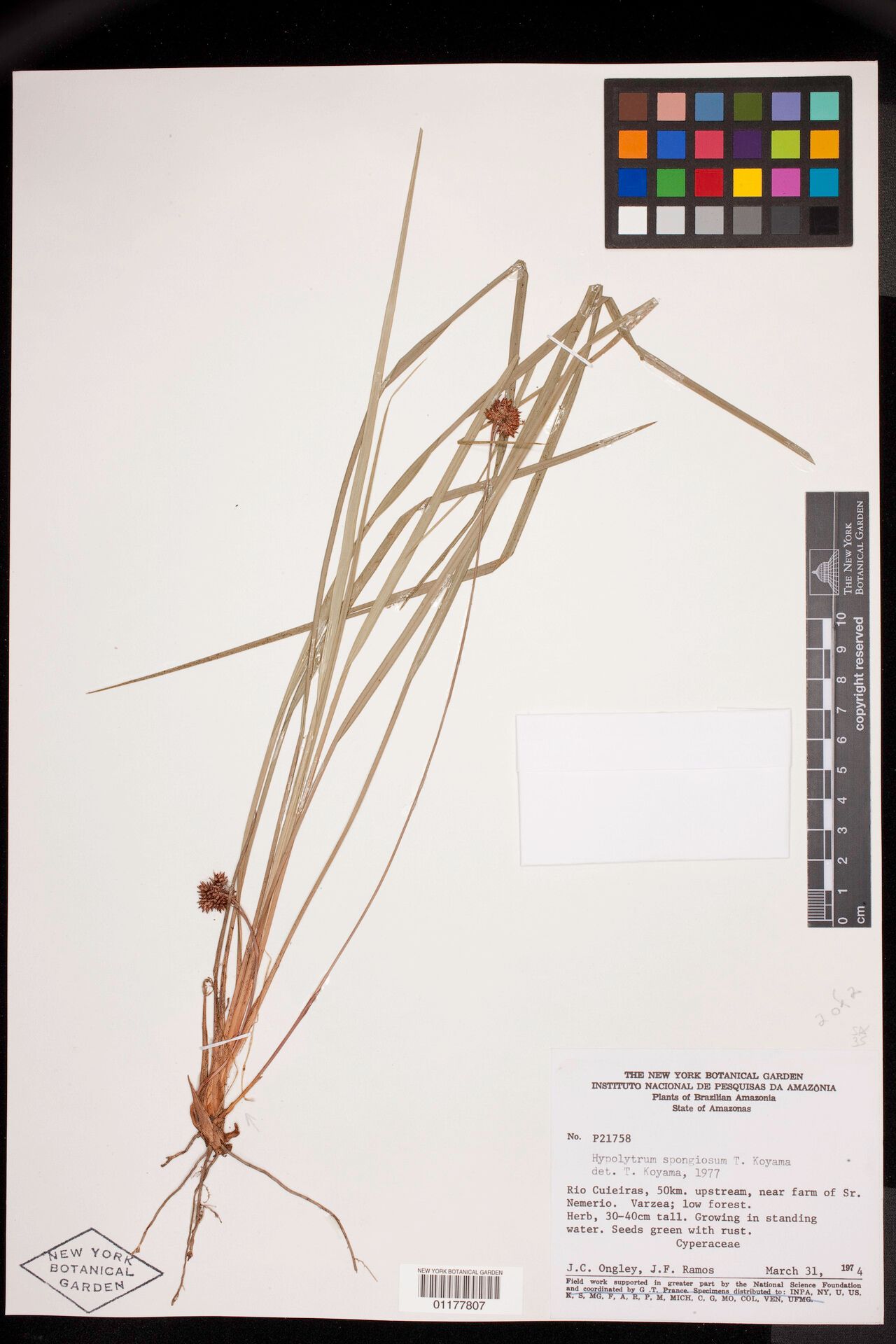
Propagating the Sponge-like Sedge: A Guide to Hypolytrum spongiosum
Introduction:
Hypolytrum spongiosum, also known as the sponge sedge, is a striking and unusual plant prized for its distinctive, spongy, light-green culms (stems). Its unique texture and architectural form make it a visually appealing addition to bog gardens, water features, or containers, contributing a unique tropical feel. While its popularity is growing amongst keen gardeners, propagation can present certain challenges. This article explores various propagation methods for this intriguing species.
Seed Germination:
Currently, there are no known reliable methods for seed germination propagation of Hypolytrum spongiosum. While the plant produces seeds, their viability and germination rate appear extremely low under various tested conditions. Further research is needed to determine if specific pre-treatments or specialized germination environments might improve success.
Cuttings:
Challenges: Softwood cuttings of Hypolytrum spongiosum have shown limited success. The stems are prone to rotting before root development can occur.
Practical Tips: To increase the chances of success, take cuttings from actively growing, healthy stems in the spring or early summer. Use a sharp, sterile knife to make cuttings of approximately 10-15 cm, removing the lower leaves to prevent rot. Dip the cut ends in a rooting hormone and plant them in a well-draining, moist propagation mix containing perlite or vermiculite, ensuring good humidity via a cloche or plastic bag. A bottom heat mat can also aid in root development.
Rewards: Successful propagation via cuttings offers a faster method of multiplication compared to division, particularly useful for smaller plants.
Division:
Challenges: Division is possibly the most reliable method for propagating Hypolytrum spongiosum, but it is limited by the size and availability of established plants. Care must be taken not to damage the rhizomes during the process.
Practical Tips: Division is best performed in spring or early autumn. Carefully dig up the mature plant and gently separate it into smaller sections, each with numerous actively growing rhizomes and some foliage. Replant the divisions immediately into moist, acidic soil, ensuring adequate spacing for continued growth.
Rewards: Division ensures the preservation of desirable characteristics of the parent plant and offers a readily accessible method for multiplication given a mature plant.
Tissue Culture:
Challenges: Tissue culture is a complex and specialized technique, requiring sterile laboratory conditions and expertise. While potentially the most effective way to propagate large numbers of plants, the establishment of aseptic protocols for Hypolytrum spongiosum requires considerable research and development.
Practical Tips: This method is not recommended for home gardeners due to its complexity. However, researchers seeking efficient and large-scale propagation could explore using sterile stem segments as explants, experimenting with a range of media formulations and growth hormones to optimize shoot multiplication and root development.
Rewards: Tissue culture, if successful, holds the promise for high-volume propagation while maintaining genetic consistency and eliminating the risks associated with disease transmission found in other methods.
Conclusion:
Propagating Hypolytrum spongiosum presents several challenges across all methods. While division appears the most practical approach for home gardeners, its success is reliant on access to mature plants. Cuttings offer an alternative but require careful technique and patience. The complexity of tissue culture and the lack of established protocols for seed germination currently limits these options. However, the unique beauty and texture of the sponge sedge make the effort worthwhile. The satisfaction derived from successfully propagating this plant, overcoming the hurdles involved, is richly rewarding for any enthusiastic gardener. Experimentation and persistence are key to unlocking the secrets of successful propagation, paving the way for a wider appreciation and cultivation of this intriguing species.