
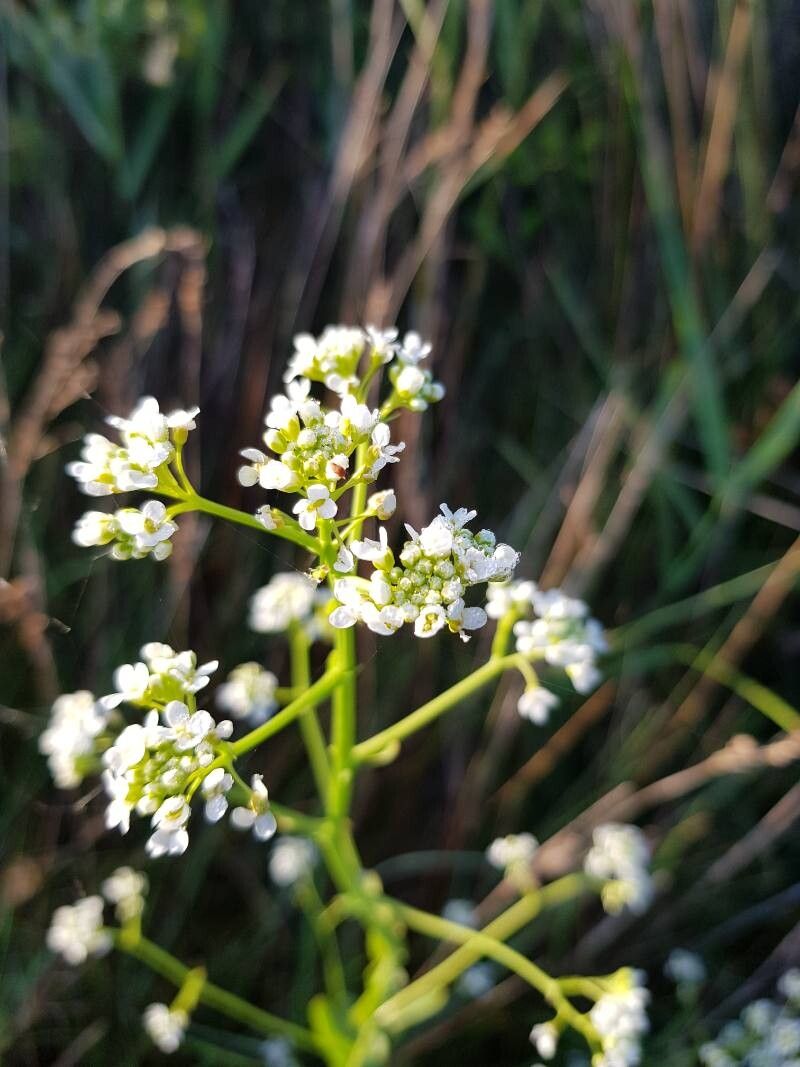
Propagating Ionopsidium glastifolium: A Gardener’s Guide to the Violet Whitlow-grass
Introduction:
Ionopsidium glastifolium, commonly known as violet whitlow-grass, is a charming annual or short-lived perennial boasting a profusion of small, violet-purple flowers. Its low-growing habit and vibrant blooms make it a popular choice for rock gardens, borders, and as a ground cover. While relatively easy to grow from seed, its propagation presents some unique challenges depending on the chosen method. Understanding these challenges is key to successfully cultivating this delightful plant.
Seed Germination:
Seed germination is a viable and popular method for propagating Ionopsidium glastifolium. However, it does present some challenges. Fresh seeds are recommended for optimal germination rates. Older seeds often exhibit reduced viability.
Challenges: Seed germination can be slow and inconsistent, with germination rates sometimes being affected by temperature fluctuations.
Practical Tips: Sow seeds directly outdoors in a well-drained soil mix in autumn or spring. Lightly cover seeds with fine soil or vermiculite. Maintain consistent moisture, avoiding overwatering which can lead to rot. A warm, sunny location is ideal. Stratification (cold treatment) is not generally required, but pre-soaking the seeds for 24 hours may improve germination rates.
Rewards: Seed propagation allows for the creation of numerous plants at a relatively low cost and offers the greatest chance for genetic diversity within a population. This method is ideal for large-scale propagation or for creating a diverse planting scheme.
Cuttings:
Currently, there are no known reliable methods for propagation of Ionopsidium glastifolium via cuttings. The plant’s physiology does not readily lend itself to this technique.
Division:
Division is not a practical method for propagating Ionopsidium glastifolium. As an annual or short-lived perennial, it does not form the large, established root systems required for successful division.
Tissue Culture:
While theoretically possible, tissue culture propagation of Ionopsidium glastifolium is not a commonly practiced method. It would require specialized laboratory equipment and expertise and is generally not cost-effective for home gardeners.
Conclusion:
Propagating Ionopsidium glastifolium presents a unique set of challenges and rewards. Seed germination offers the most accessible and successful approach, though patience and attention to detail are crucial for maximizing germination success. The other methods – cuttings, division, and tissue culture – are either unreliable or impractical for the average gardener.
Successfully cultivating violet whitlow-grass from seed, despite the potential for slow germination, brings a particular sense of achievement. The vibrant display of purple blooms that results more than makes up for the effort involved. Don’t be discouraged by any initial setbacks. With a little persistence and careful attention to the tips provided, even the most novice propagator can enjoy the beauty of this charming little plant. Remember to source high-quality, fresh seeds for the best chance of success.