
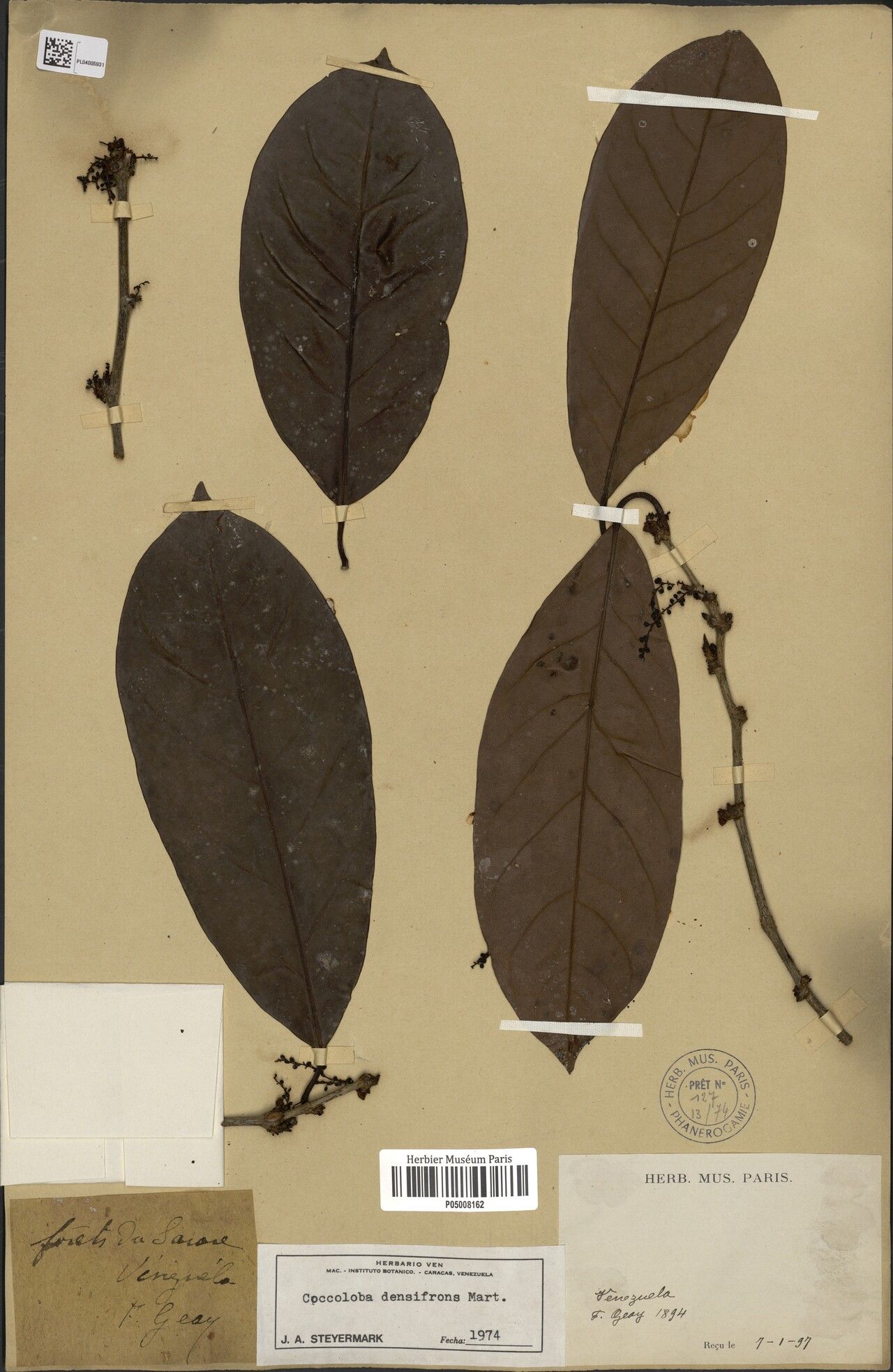
Unlocking the Secrets of the Seagrape’s Giant Cousin: Propagating Coccoloba densifrons
The plant world is full of fascinating characters, and the Coccoloba densifrons, also known as the “Big Leaf Seagrape” or “Eve’s Umbrella,” is no exception. Native to the rainforests of Central and South America, this tropical giant boasts immense, paddle-like leaves that can reach up to six feet long, creating a truly awe-inspiring sight. If you’re lucky enough to get your hands on this rare beauty, you might be wondering how to propagate it and share the joy with fellow plant enthusiasts. Fear not, fellow plant lovers, for we’re about to delve into the world of Coccoloba densifrons propagation!
Method 1: The Way of the Seed (For the Patient Gardener)
Propagating Coccoloba densifrons from seed is the most common method, though it requires a healthy dose of patience. Here’s how to do it:
- Source fresh seeds: Your best bet is to find a reputable online seed supplier specializing in rare tropical plants. Look for plump, healthy-looking seeds for optimal germination rates.
- Prepare your seedbeds: Use a well-draining seed starting mix and sow seeds about an inch deep. Moisten the soil thoroughly but avoid overwatering.
- Play the waiting game: Germination can take anywhere from a few weeks to several months. Place the seed trays in a warm, humid environment with indirect light. Consider using a heat mat to ensure optimal soil temperature.
- Transplanting Time: Once your seedlings have developed a few true leaves and a strong root system, carefully transplant them into individual pots with a well-draining potting mix.
Method 2: Cuttings – A Faster Route to Success
For those who prefer a quicker approach, propagating Coccoloba densifrons from cuttings is a viable option. Here’s a step-by-step guide:
- Timing is key: The ideal time for taking cuttings is during the active growing season, typically spring or summer.
- Select healthy stems: Choose semi-hardwood stems that are at least six inches long and free from any damage or disease.
- Make the cut: Using a sharp, sterile knife or pruning shears, make a clean cut just below a leaf node. Remove the leaves from the lower third of the cutting.
- Hormone power: Dip the cut end of the stem in rooting hormone to encourage faster root development.
- Plant your cutting: Insert the cutting into a well-draining potting mix, burying at least two nodes below the soil surface.
- Create a humid environment: Cover the cutting loosely with a plastic bag or place it in a humidity dome to maintain moisture.
- Monitor and wait: Keep the soil consistently moist and place the cutting in a warm, bright location out of direct sunlight. With a bit of luck, you’ll see new growth within a few weeks, indicating successful rooting.
Care Tips for Your Propagated Coccoloba densifrons
Congratulations on successfully propagating your very own Coccoloba densifrons! Now, let’s ensure its continued growth and happiness:
- Light: Provide bright, indirect light. Avoid direct sunlight, which can scorch the large leaves.
- Water: Keep the soil consistently moist but avoid overwatering, as this can lead to root rot.
- Humidity: As a tropical plant, Coccoloba densifrons thrives in high humidity. Regular misting or using a humidifier will keep it happy.
- Temperature: Maintain a warm environment with temperatures between 65-80°F (18-27°C).
- Fertilizer: Feed your Coccoloba densifrons with a balanced liquid fertilizer diluted to half strength once a month during the growing season.
Propagating Coccoloba densifrons might require a bit of patience and dedication, but the reward of nurturing this majestic plant from seed or cutting is well worth the effort. Soon you’ll be able to enjoy the unique beauty of the “Big Leaf Seagrape,” adding a touch of the rainforest to your home.