
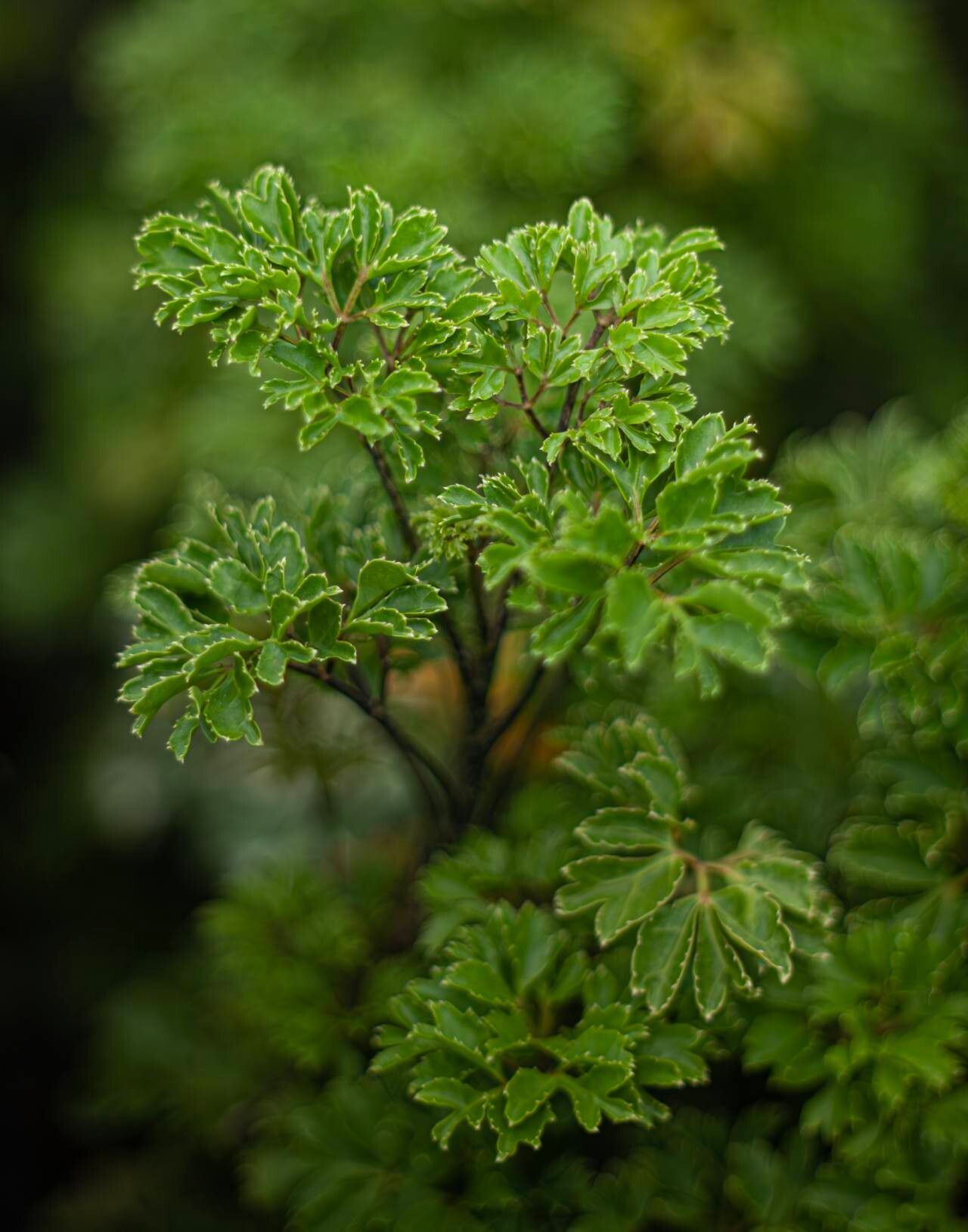
Propagating the Ming Aralia: A Gardener’s Guide to Polyscias fruticosa
Polyscias fruticosa, commonly known as Ming Aralia, is a highly prized houseplant celebrated for its delicate, fern-like foliage and adaptable nature. Its lush, vibrant green leaves, often exhibiting variations in texture and shape depending on the cultivar, make it a favourite among indoor gardeners. Its relatively easy care and tolerance for diverse conditions contribute to its popularity, but propagating this beauty presents some unique challenges. Many gardeners find the reward of successfully nurturing a new plant from a cutting or division well worth the effort.
Seed Germination:
Currently, there are no known reliable methods for seed germination propagation of Polyscias fruticosa. While the plant does produce seeds, their viability is extremely low, and successful germination rates are practically nonexistent in home settings. This is likely due to a combination of factors including the need for specific environmental conditions and possibly dormancy requirements that are not easily replicated.
Cuttings:
Cuttings are the most common and reliable propagation method for Polyscias fruticosa.
Challenges: Root development can be slow and prone to rot if not handled correctly. Maintaining high humidity and providing optimal warmth are crucial.
Practical Tips: Take semi-hardwood cuttings (partially mature stems) in spring or summer. Use a sharp, clean blade to prevent disease transmission. Remove lower leaves to prevent rotting in the rooting medium. Dip cuttings in rooting hormone before planting in a well-draining propagation mix (e.g., perlite and peat moss). Cover the cuttings with a humidity dome or plastic bag to maintain humidity. Place the cuttings in a warm location with indirect sunlight. Regular misting is helpful. Rooting typically takes several weeks to a couple of months.
Rewards: This is a relatively straightforward method, offering a reasonably high success rate for propagating multiple plants from a single mother plant. It preserves the desirable traits of the parent plant.
Division:
Division is a viable method, especially for larger, established plants.
Challenges: Requires a mature plant with established root systems. Careful handling is essential to avoid damaging the roots, which can impact the plant’s ability to recover.
Practical Tips: Divide the plant during repotting in spring. Ensure each division has a healthy root system and several stems. Replant the divisions in fresh, well-draining potting mix. Water thoroughly, and provide indirect light.
Rewards: This method provides a quick and easy way to increase the number of plants. It’s less time-consuming than cuttings.
Tissue Culture:
Tissue culture is a more advanced propagation technique.
Challenges: Requires specialized equipment, sterile conditions, and a detailed understanding of plant tissue culture techniques. It’s typically not feasible for home gardeners.
Practical Tips: This method is best carried out in a laboratory setting. Small sections of plant tissue are sterilized and grown on a nutrient-rich agar medium.
Rewards: Tissue culture allows for large-scale, rapid propagation of genetically identical plants, resulting in many disease-free plants. This method can be invaluable for commercial propagation or preserving rare cultivars.
Conclusion:
Propagating Polyscias fruticosa presents unique challenges, with seed germination proving unreliable. Cuttings offer the most accessible and successful method for home gardeners, demanding patience and attention to detail. Division provides a quicker option for mature plants. While tissue culture offers large-scale reproduction, it remains a specialist technique. The satisfaction of nurturing a new Ming Aralia from a cutting or division, however, is a rewarding experience that highlights the gardener’s skill and patience. Don’t be discouraged by initial setbacks; with persistence and careful observation, you can enjoy the beauty of many Ming Aralias grown from a single plant. Happy propagating!