
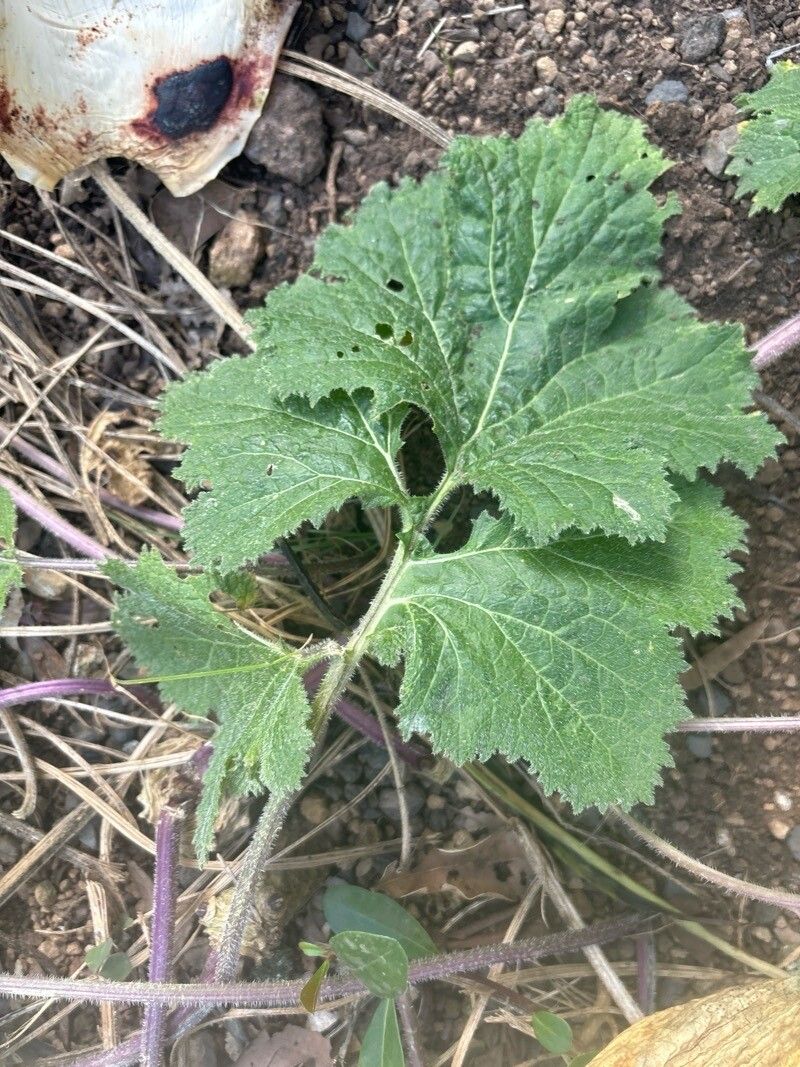
Taming the Tatarian Thistle: Demystifying Crambe Tataria Propagation
The Tatarian Thistle (Crambe tataria) might sound like something out of a medieval legend, but this fascinating plant, also known as the heartleaf crambe, is gaining popularity amongst adventurous gardeners. With its striking foliage and unique globe-like seed heads, this architectural marvel deserves a place in more gardens. But how do you propagate this intriguing plant? Let’s unlock the secrets of growing Crambe tataria.
Seed Starting: A Test of Patience
Propagating Crambe tataria from seed requires patience – this isn’t your average fast-sprouting annual. Here’s what you need to know:
Cold Stratification: Mother Nature plays a crucial role here. The seeds need a period of cold, moist treatment to break dormancy. In late fall or early winter, sow your seeds in a well-draining seed starting mix, barely covering them. Place the tray outdoors in a sheltered location or in a refrigerator (around 40°F) for at least 8 weeks.
Spring Awakening: Once the cold spell has passed and temperatures begin to rise, bring your seed tray to a sunny location. Consistent moisture and warmth will encourage germination. However, don’t expect overnight miracles. Germination can take anywhere from a few weeks to a couple of months, so be patient and don’t lose hope!
- Transplanting Time: When your seedlings have developed a few sets of true leaves, they are ready to face the outdoors. Harden them off gradually over a week or two, acclimating them to the elements. Choose a sunny location with well-drained soil and plant them around 18-24 inches apart.
Division: For a Head Start
If you’re after immediate gratification, consider dividing established Crambe tataria plants:
Timing is Key: Early spring, just as new growth emerges, is the ideal time for division.
Digging Deep: Carefully dig around the plant you wish to divide, ensuring you don’t damage the root system.
Separation Anxiety: Use a sharp, clean knife or spade to divide the plant into sections, ensuring each section has a good amount of roots and shoots.
- New Beginnings: Replant the divisions promptly at the same depth they were originally growing. Water thoroughly and watch them thrive.
A Few Words of Wisdom
- Well-Drained Soil is Key: Crambe tataria is susceptible to root rot in poorly drained soil.
- Sun Worshipper: Choose a location that receives at least six hours of direct sunlight per day.
- Water Wisely: While young plants benefit from regular watering, established plants are drought-tolerant once established.
- Embrace the Self-Seed: Crambe tataria may self-seed in your garden, providing you with a welcome surprise in subsequent years – just be prepared to thin out seedlings for optimal growth.
Propagating Crambe tataria might require a bit of effort, but the reward of witnessing this architectural beauty in your garden makes it all worthwhile. With a little patience and the right knowledge, you can master the art of growing this fascinating plant. So, are you ready to welcome the striking Tatarian Thistle into your garden?