
Propagating Lasianthus chinensis: A Gardener’s Guide
Introduction
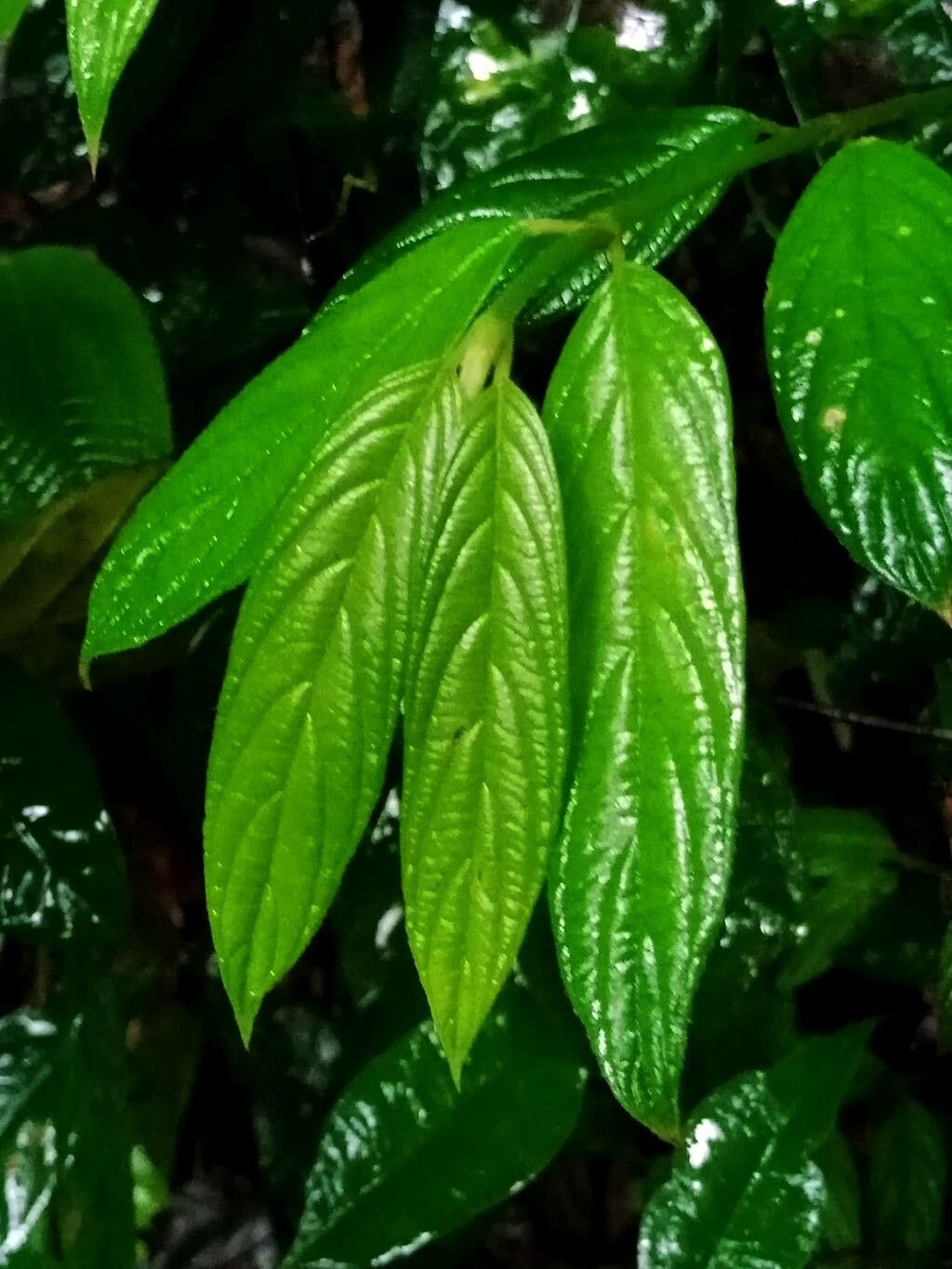
Lasianthus chinensis, commonly known as the Chinese Lasianthus, is a captivating shrub prized for its attractive foliage and often overlooked in the gardening world. Its glossy, dark green leaves, coupled with its relatively low maintenance needs, make it a desirable addition to shade gardens or as an understory plant. While not as widely cultivated as some other species, its unique characteristics – particularly its adaptability and potential for creating dense ground cover – are increasing its popularity among discerning gardeners. However, propagation presents some unique challenges, making successful cultivation all the more rewarding. This article explores various methods of propagating Lasianthus chinensis, weighing the merits and difficulties of each.
Seed Germination
Currently, there are no known reliable methods for seed germination propagation of Lasianthus chinensis. While the plant produces seeds, their germination rate is reportedly extremely low, and successful germination under controlled conditions has not been widely documented. Further research into specific germination requirements, such as light exposure, temperature, and stratification techniques, may be needed to unlock this propagation method.
Cuttings
Cuttings offer a more promising approach to propagating Lasianthus chinensis.
Challenges: The success rate of stem cuttings can be variable, depending on factors like the time of year, the age of the plant material, and the chosen rooting hormone. Hardwood cuttings taken during the dormant season may have a lower success rate compared to semi-hardwood cuttings taken in the spring or summer.
Practical Tips: Semi-hardwood cuttings, taken from the current year’s growth, offer the best chances of success. Use a sharp, clean blade to take 4-6 inch cuttings, removing lower leaves to prevent rot. Dip the cut ends in rooting hormone and plant them in a well-draining propagation mix (e.g., perlite and peat moss). Maintain consistently moist (but not soggy) conditions and high humidity, ideally using a humidity dome or propagator. Bottom heat can enhance rooting.
Rewards: Cuttings offer a relatively easy method for producing genetically identical plants, preserving desirable traits of a mother plant. This is particularly beneficial if you have a particularly healthy and vigorous specimen.
Division
Division of established Lasianthus chinensis plants is another feasible method, particularly for larger, mature specimens.
Challenges: This method requires a well-established plant that can be easily divided without significant damage. Improper division can easily stress the plant and lead to reduced growth or even death.
Practical Tips: Divide the plant in early spring or autumn (avoiding extreme temperatures). Carefully dig up the entire plant, gently separating the root ball into smaller sections, each with its own healthy root system and ample stems. Replant the divisions immediately, ensuring adequate spacing. Water thoroughly after planting.
Rewards: Division is a quick and effective method for increasing the number of plants, and the established root systems generally lead to rapid establishment in their new locations.
Tissue Culture
Tissue culture propagation of Lasianthus chinensis is currently unexplored in the readily available literature. This method, while technically demanding, offers the potential for mass propagation and the elimination of diseases. However, establishing a successful tissue culture protocol would require extensive research and lab facilities.
Conclusion
Propagating Lasianthus chinensis presents unique challenges, with seed germination proving largely unreliable currently. Cuttings and division offer more viable methods, albeit with their own hurdles related to success rates and potential damage to the mother plant. While the rewards of successfully cultivating this charming shrub – be it from a carefully nurtured cutting or a successfully divided plant – are undeniably immense, the process underscores the patience and persistence required in plant propagation. The intrinsic satisfaction derived from nurturing a cutting, witnessing root formation, and finally transplanting a new plant is a testament to the gardener’s dedication. For aspiring propagators of Lasianthus chinensis, persistence and experimentation with cuttings and division, coupled with meticulous care, are key to success.