
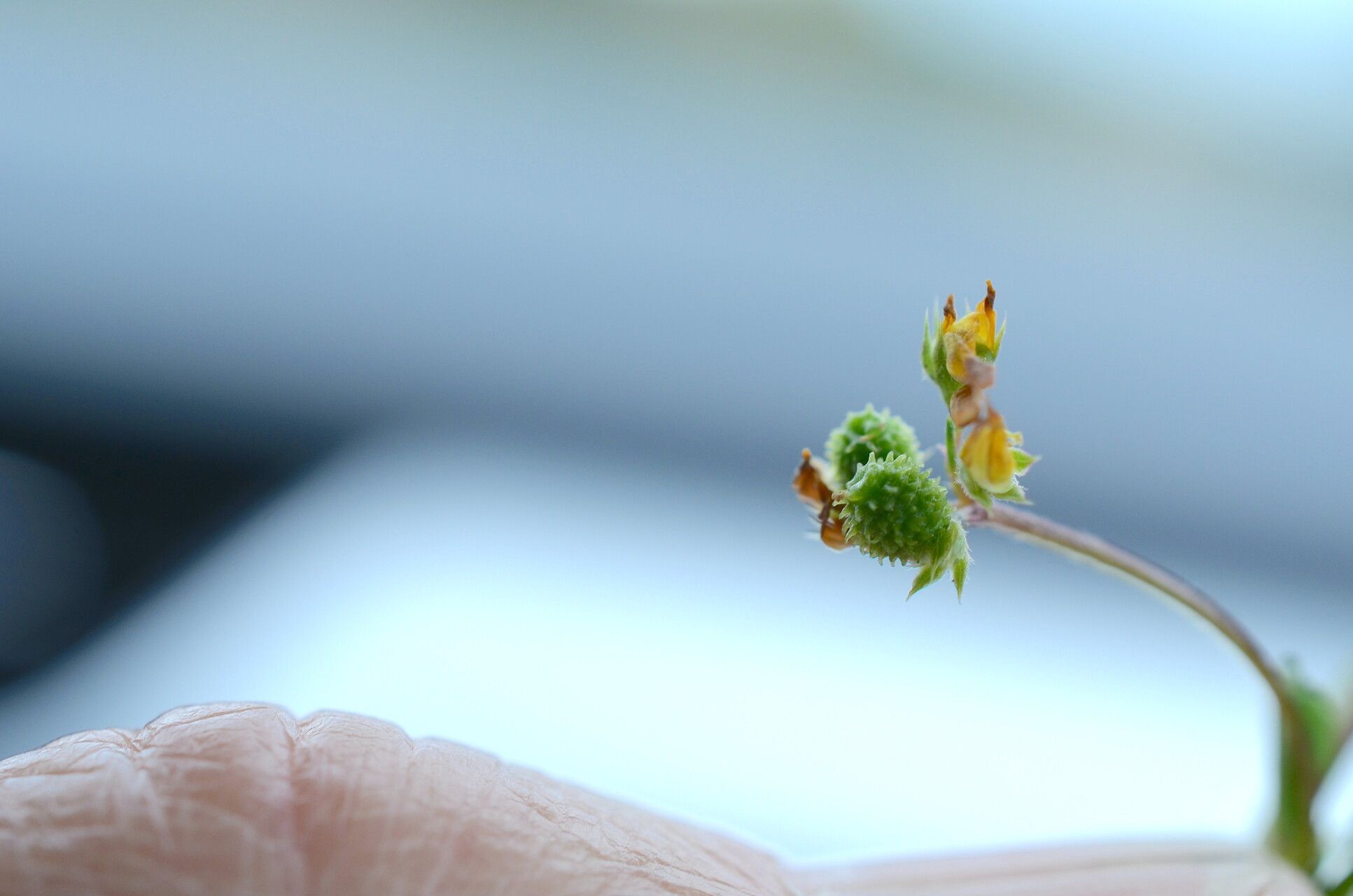
Propagating Medicago murex: Taming the Spiny Bur Medick
Introduction
Medicago murex, commonly known as spiny bur medick or burr medic, is a hardy, drought-tolerant annual legume with distinctive spiny pods. While not as widely cultivated as some other Medicago species, its resilience and nitrogen-fixing properties make it an interesting plant for gardeners interested in ecological landscaping or those seeking a robust ground cover. Its unusual spiny pods add a textural element, and its tolerance of poor soils makes it suitable for challenging environments. However, its propagation presents unique hurdles, making successful cultivation a rewarding experience.
Seed Germination
Seed germination is a viable method for propagating Medicago murex, though it presents several challenges. The hard seed coat of Medicago murex often hinders water uptake, leading to poor germination rates. This dormancy is a natural survival mechanism, ensuring the seeds germinate under favourable conditions.
Challenges: Hard seed coat, inconsistent germination rates.
Practical Tips: Scarification is crucial to improve germination. This can be achieved by nicking the seed coat with a file or sandpaper, or by using acid scarification (soaking in concentrated sulfuric acid for a short period – use caution!). After scarification, seeds should be soaked in water for 24 hours before sowing. Sowing should occur in well-draining soil in a sunny location. Maintaining consistent moisture is important, but avoid overwatering, which can lead to fungal diseases.
Rewards: Seed propagation offers the greatest potential for genetic diversity and allows for large-scale propagation, ideal for establishing ground cover in larger areas.
Cuttings
Currently, there are no known reliable methods for propagating Medicago murex from cuttings. The plant’s herbaceous nature and lack of readily available stem nodes that reliably root make cutting propagation impractical.
Division
Division is not a practical method for propagating Medicago murex. As an annual plant, it completes its life cycle within a single year, producing seeds and then dying. There’s no perennial structure to divide.
Tissue Culture
Tissue culture propagation of Medicago murex is a possibility, although it’s a complex and specialized technique requiring laboratory equipment and expertise. It is not a readily accessible method for the home gardener.
Challenges: High technical expertise and specialized equipment required.
Practical Tips: This method would likely require sterile conditions, a specific nutrient medium, and growth regulators to induce callus formation and shoot development. Protocols would need to be developed specifically for this species.
Rewards: The potential for mass propagation of genetically identical plants from a single mother plant offers advantages in research and specialized horticultural applications.
Conclusion
Propagating Medicago murex presents unique challenges across different methods. While seed germination is possible with the application of scarification techniques, the inconsistent germination rates require patience and persistence. Cuttings and division are not viable options. Tissue culture presents a complex, albeit potentially rewarding, advanced technique.
The satisfaction derived from successfully cultivating Medicago murex stems from overcoming these propagation hurdles. The journey from a tiny scarified seed to a flourishing patch of spiny bur medick embodies the dedication and understanding required for successful plant propagation. Don’t be discouraged by initial setbacks; the rewards of establishing this tenacious and ecologically valuable plant are well worth the effort. Begin with seed germination, meticulously following scarification and sowing techniques, and allow your patience to be rewarded by this unique and hardy legume.