
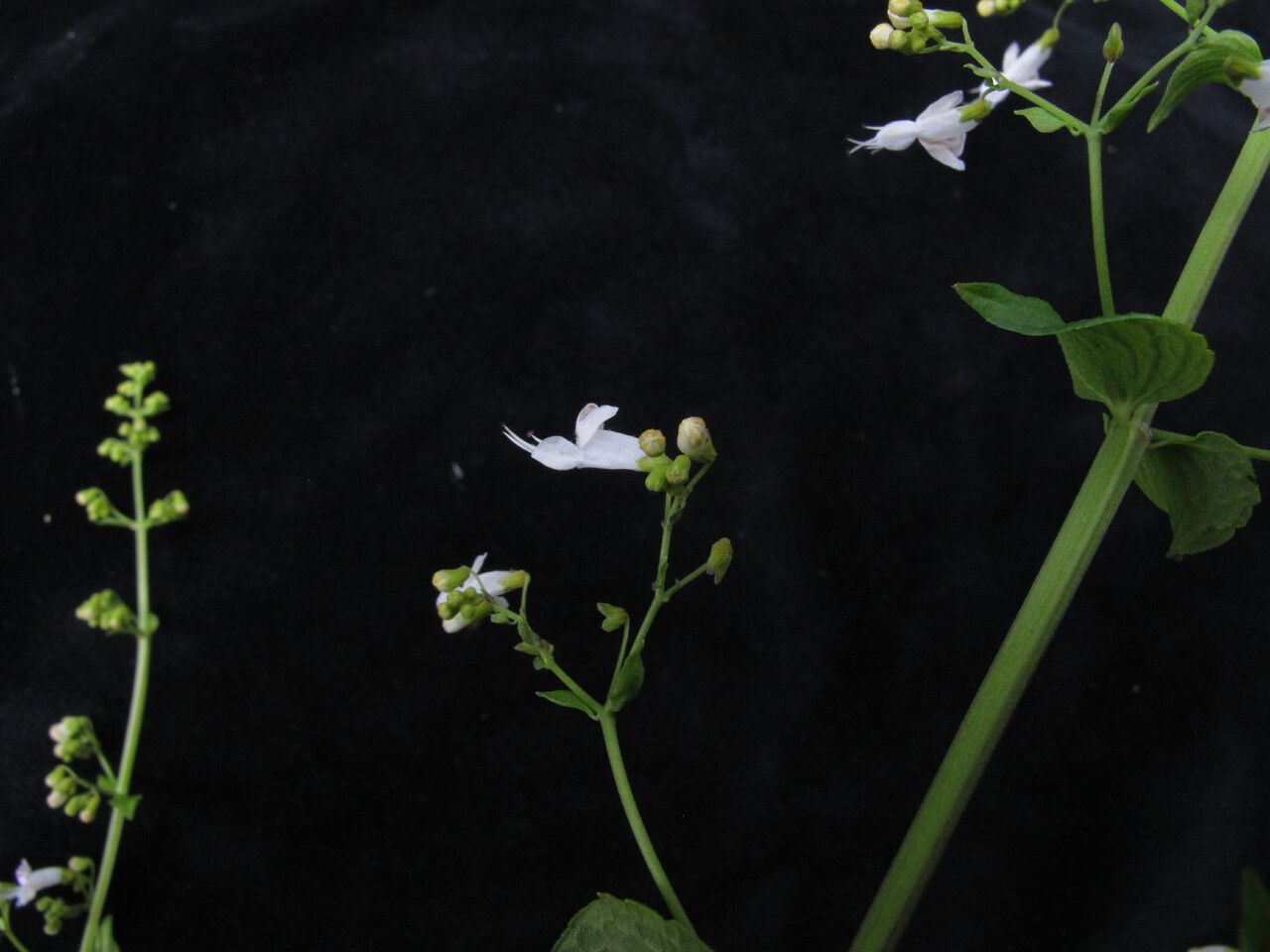
Propagating Isodon scrophularioides: A Gardener’s Guide
Introduction:
Isodon scrophularioides, also known as Japanese skullcap or Kudo-cha (in Japanese), is a captivating herbaceous perennial prized for its attractive foliage and medicinal properties. Its square stems, oppositely arranged leaves, and clusters of lilac-purple flowers make it a desirable addition to shade gardens. While relatively hardy, Isodon scrophularioides can be challenging to propagate, presenting a rewarding experience for dedicated gardeners seeking to expand their stock. Its popularity stems not only from its aesthetic appeal but also from its traditional use in herbal remedies, furthering its appeal for those interested in cultivating medicinal plants.
Seed Germination:
Currently, there are no known reliable methods for seed germination propagation of Isodon scrophularioides. While seeds may be produced, their germination rate is notoriously low, and successful germination has not been consistently documented in horticultural literature. This may be due to factors such as dormancy mechanisms and specific environmental requirements not yet fully understood.
Cuttings:
Cuttings offer a more reliable method for propagating Isodon scrophularioides.
Challenges: Success depends on timing and technique. Semi-hardwood cuttings taken in late spring or early summer generally yield the best results. Using rooting hormone can significantly improve success rates.
Practical Tips: Take 4-6 inch cuttings from non-flowering stems, removing lower leaves to prevent rotting. Dip the cut ends in rooting hormone and plant them in a well-draining propagation mix, such as a blend of perlite and peat moss. Maintain high humidity using a propagation dome or plastic bag. Keep the cuttings consistently moist but not waterlogged. Rooting can take several weeks.
- Rewards: Cuttings provide a relatively quick and efficient method for producing genetically identical plants to the parent plant, preserving desirable traits. This is particularly valuable for cultivars with unique characteristics.
Division:
Division is another viable propagation technique for established Isodon scrophularioides plants.
Challenges: This method is only feasible for mature plants with well-developed root systems. Care must be taken to avoid damaging the roots during division, as this can hinder the plants’ ability to re-establish themselves.
Practical Tips: The best time to divide Isodon scrophularioides is in early spring or autumn. Gently dig up the plant, carefully separate the root ball into smaller sections, each containing several healthy stems and roots. Replant the divisions immediately, ensuring each has adequate root space.
- Rewards: Division is a simple and effective method for increasing the number of plants, providing a quick way to propagate several plants simultaneously from a single mature specimen.
Tissue Culture:
Tissue culture offers the potential for large-scale propagation of Isodon scrophularioides.
Challenges: This method requires specialized equipment, sterile conditions, and expertise in plant tissue culture techniques. It’s not a practical method for the average home gardener.
Practical Tips: This method requires experience with sterile techniques, specific media formulations, and understanding plant hormones. It’s best left to professional nurseries or research facilities.
- Rewards: Tissue culture offers the potential for rapid multiplication of plants and the elimination of diseases. This is crucial for mass production of planting stock or the preservation of rare cultivars.
Conclusion:
Propagating Isodon scrophularioides presents unique challenges depending on the chosen method. While seed germination remains unreliable, cuttings and division offer practical alternatives for home gardeners. Tissue culture holds potential for large-scale production but demands specialized knowledge and equipment. The rewards, however, are well worth the effort. The successful cultivation of this beautiful and potentially medicinal plant brings a deep sense of accomplishment, a testament to the gardener’s patience and dedication. For aspiring propagators, starting with cuttings remains the most accessible and reliable approach, offering a rewarding pathway to enjoy the beauty of Isodon scrophularioides in your garden. Remember to maintain patience and meticulous care; success with this plant is a testament to perseverance.