
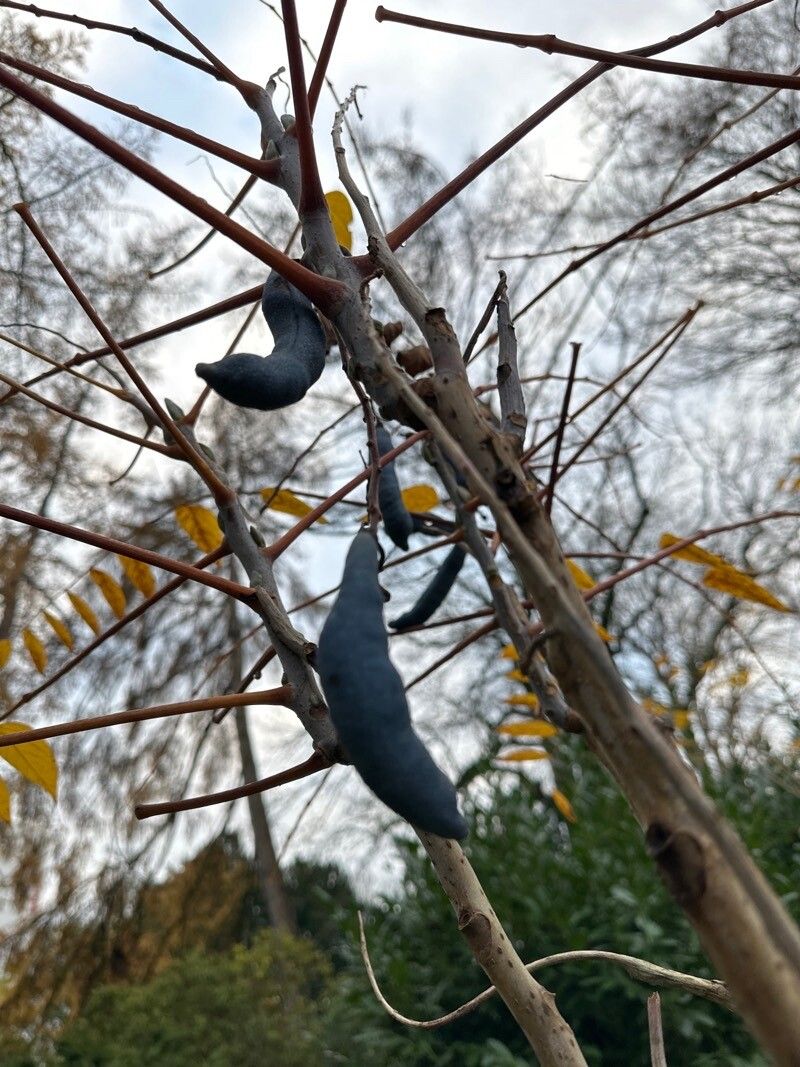
Propagating the Blue Sausage Tree: A Gardener’s Guide to Decaisnea insignis
Decaisnea insignis, more commonly known as the blue sausage tree or (less commonly) the dead man’s fingers, is a captivating deciduous shrub prized for its striking features. Its elegantly arching blue, sausage-shaped fruit hanging amidst elegant, pinnate foliage makes it a highly sought-after addition to temperate gardens. However, its propagation presents some unique challenges, making successful cultivation all the more rewarding. This article explores various propagation methods for this intriguing plant.
Seed Germination:
Seed germination for Decaisnea insignis is possible but presents considerable challenges. The seeds possess a hard outer coat that inhibits water uptake, hindering germination. Therefore, stratification is crucial. This involves a period of cold, moist storage to mimic the natural winter conditions experienced in its native habitat.
Challenges: Low germination rates are common; even with stratification, only a fraction of seeds may germinate. The hard seed coat requires careful scarification (e.g., gentle nicking with a file) to enhance water absorption before stratification.
Practical Tips: Collect seeds from ripe, fully developed fruits. Clean the seeds and stratify them for at least 3 months at temperatures between 33°F-41°F (0.5°C-5°C) in moist vermiculite or peat moss. After stratification, sow the seeds in a well-draining seed-starting mix, keeping the soil moist but not waterlogged. Germination can take several weeks to months.
Rewards: Getting Decaisnea insignis to germinate from seed offers the reward of genetic diversity, potentially leading to plants with unique characteristics. It also allows for large-scale propagation, provided a good germination rate is achieved.
Cuttings:
Currently, there are no known reliable methods for propagating Decaisnea insignis from cuttings. Hardwood, semi-hardwood, and softwood cuttings have all shown low success rates, often failing to root even with the application of rooting hormones.
Division:
Division is a viable propagation method, particularly for established plants. The mature root system of Decaisnea insignis often produces offsets or suckers near the base.
Challenges: Carefully dividing the root system to avoid damaging the plant is crucial. This often limits the number of plants produced per division. The success rate depends on the health and size of the offsets and the skill of the propagator.
Practical Tips: The best time to divide is in early spring or late autumn. Divide the root system with a sharp, clean spade or knife, ensuring each division has a healthy portion of roots and at least one shoot. Plant the divisions immediately in well-drained soil.
Rewards: Division offers a relatively simple and reliable way to increase the number of plants, especially compared to seed germination. The resulting plants are generally robust and true-to-type.
Tissue Culture:
Tissue culture offers the potential for rapid and large-scale propagation of Decaisnea insignis. However, it requires specialized equipment, sterile conditions, and considerable technical expertise.
Challenges: Establishing aseptic cultures and finding the optimal growth medium can be difficult. This method is costly and requires specialized training.
Practical Tips: This method should be undertaken by professionals with experience in plant tissue culture. Specific protocols for Decaisnea insignis are not readily available and will likely require experimentation.
Rewards: If successful, tissue culture provides the ability to rapidly produce a large quantity of genetically identical, disease-free plants.
Conclusion:
Propagating Decaisnea insignis presents several challenges, with seed germination being notoriously difficult and cutting propagation proving largely unreliable. Division offers a more practical approach for established plants, while tissue culture holds the highest potential for bulk propagation but demands expertise and resources. The rewards, however, are well worth the effort. The unique beauty of the blue sausage tree, with its unusual fruit and elegant foliage, ensures that the satisfaction of successfully cultivating this plant far outweighs the difficulties involved. To aspiring propagators, I suggest starting with division if possible, and persevering with seed stratification if you’re feeling adventurous, accepting that failure is a possibility along the journey. The eventual success, however, will be richly rewarding.