
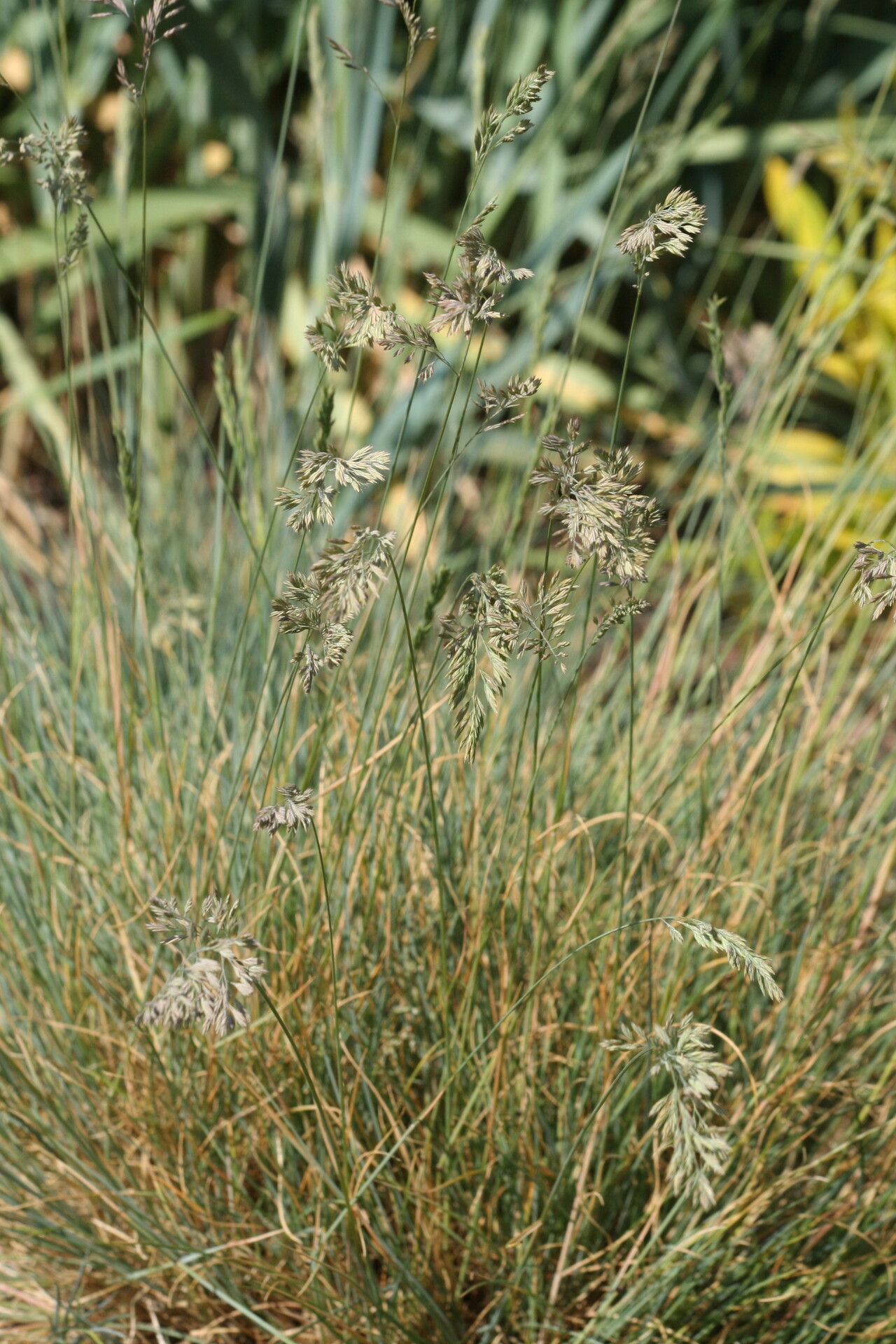
Propagating Festuca circummediterranea: A Gardener’s Challenge and Reward
Festuca circummediterranea, commonly known as Mediterranean fescue, is a highly prized ornamental grass valued for its fine texture, attractive blue-green foliage, and drought tolerance. Its clumping habit and relatively low maintenance requirements make it a popular choice for rock gardens, borders, and even container gardening. However, propagating this desirable grass presents unique challenges. This article explores various propagation methods, outlining their viability and providing practical guidance.
Seed Germination:
Currently, there are no known reliable methods for seed germination propagation of Festuca circummediterranea. While the plant does produce seeds, germination rates are notoriously low, and success is rarely achieved under typical horticultural conditions. The hard seed coat and other dormancy mechanisms likely contribute to this difficulty. Further research into specific stratification techniques or pre-treatment methods might be needed to unlock the potential of seed propagation.
Cuttings:
Propagating Festuca circummediterranea from cuttings is also generally considered unreliable. While some limited success might be achieved with basal cuttings taken in spring or early summer, rooting rates are typically low. Challenges include the difficulty of establishing sufficient root development before the cutting dries out. Even under optimal conditions (using rooting hormones, a humid propagation environment, and bottom heat), success is far from guaranteed.
Division:
Division is the most reliable and commonly used method for propagating Festuca circummediterranea. This technique involves carefully separating established clumps into smaller sections, each containing sufficient roots and foliage.
Challenges: The ideal time for division is during spring or early autumn when the plant is actively growing. Dividing too early or late can stress the plant, reducing the chances of survival. Care must be taken to avoid damaging the root system during the process.
Practical Tips: Use a sharp, clean spade or knife to divide the clump. Ensure each division has a healthy root system and several active growing points. Plant the divisions immediately in well-drained soil, ensuring they are not planted too deep. Water gently after planting and provide some shade until the plants become established.
Rewards: Division offers high success rates and produces genetically identical plants, preserving the desirable characteristics of the mother plant. It’s also a relatively easy method for small-scale propagation.
Tissue Culture:
Tissue culture offers a potentially high-yield method, but it is technically demanding and requires specialized equipment and expertise.
Challenges: Establishing a sterile environment and using appropriate nutrient media are crucial. Developing a successful protocol specifically for Festuca circummediterranea requires considerable experimentation and often involves the use of growth regulators.
Practical Tips: This method is best left to experienced tissue culture laboratories, due to the significant technical barriers.
Rewards: Tissue culture can produce a large number of plants from a small amount of starting material and allows for rapid propagation.
Conclusion:
Propagating Festuca circummediterranea presents unique difficulties. While division provides the most reliable method, its limitations in scale need to be considered. Seed germination and cuttings currently offer little promise, while tissue culture, although potentially highly effective, demands specialized knowledge and equipment. The challenges highlight the importance of patience, meticulous attention to detail, and a willingness to experiment. However, successfully cultivating this beautiful grass from any of these methods, particularly after overcoming the difficulties inherent in seed or cutting propagation, offers a profound sense of horticultural accomplishment. The reward justifies the effort, resulting in a stunning addition to any garden. Aspiring propagators should start with division and, if ambitious, explore the possibilities of tissue culture through collaboration with a specialized facility.