
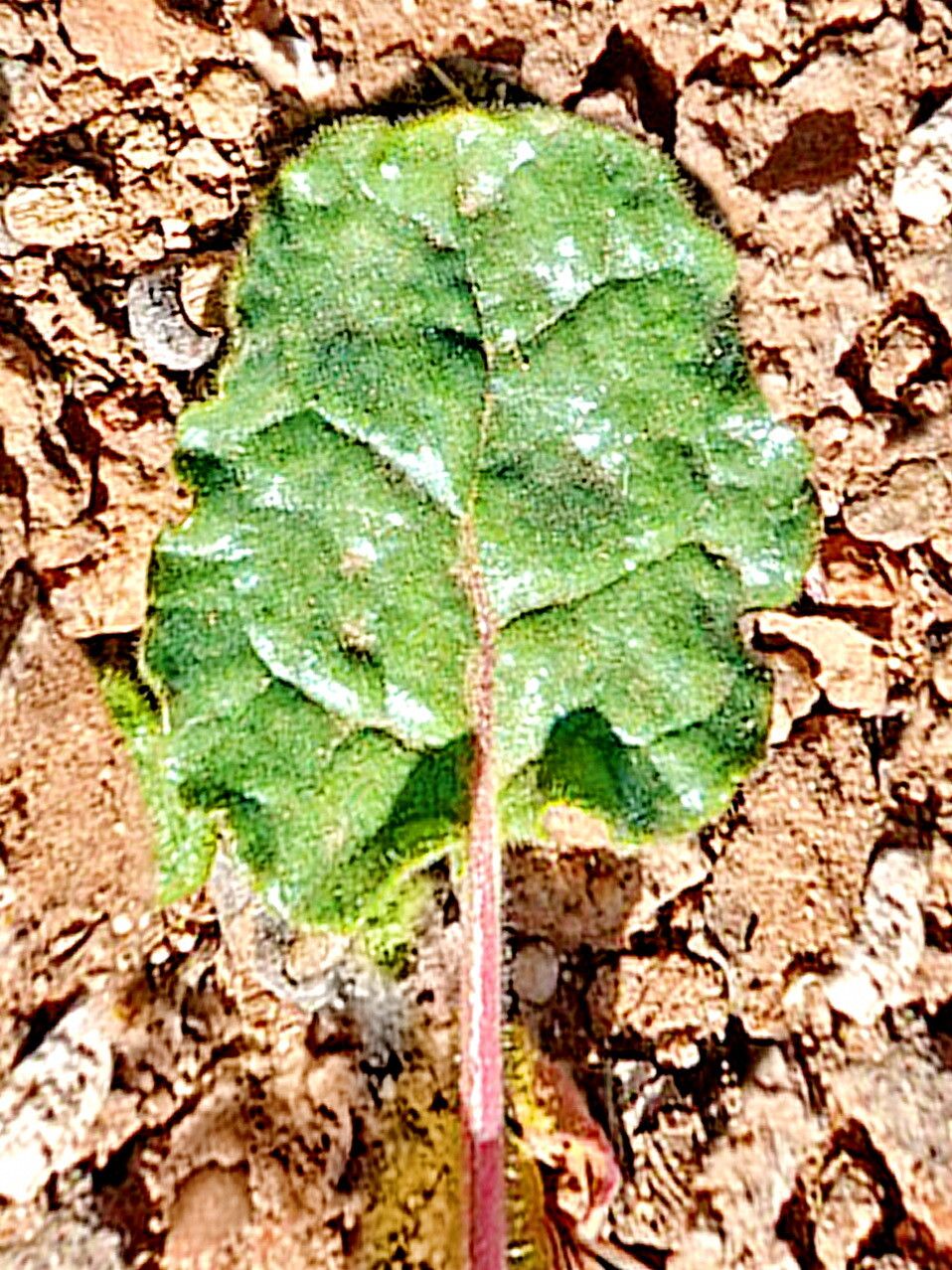
Propagating Eriogonum inflatum: A Guide to the Inflated Buckwheat
Eriogonum inflatum, commonly known as inflated buckwheat, is a captivating desert plant prized for its unique, balloon-like inflated calyx and striking silvery-green foliage. Its adaptability to arid conditions and its aesthetic appeal make it a sought-after addition to xeriscape gardens and native plant collections. However, propagating this resilient plant presents its own set of challenges, requiring a nuanced understanding of its reproductive biology. This article explores the various methods of propagation, highlighting both their difficulties and rewards.
Seed Germination:
Seed germination for Eriogonum inflatum is possible, but it presents several challenges. The seeds possess a hard seed coat, which inhibits water uptake and germination. This dormancy mechanism is a survival strategy in arid environments, ensuring germination occurs only under optimal conditions.
Challenges: Low germination rates are common. Improper timing and environmental conditions can significantly impede success.
Tips: Successful germination often requires stratification (a period of cold, moist treatment) followed by warm temperatures. Techniques include placing seeds in a moist vermiculite mixture and refrigerating them for 4-6 weeks before sowing in a well-draining seed-starting mix. Maintain consistent moisture (but avoid soggy conditions) and warm temperatures (around 70-75°F) after sowing. Patience is key, as germination can be slow, taking several weeks or even months.
Rewards: Seed propagation offers high genetic diversity, resulting in a wider range of plant characteristics. It also allows for large-scale propagation, potentially making this attractive plant more readily available.
Cuttings:
Currently, there are no known reliable methods for propagating Eriogonum inflatum from cuttings. The plant’s physiology appears to make it difficult to root cuttings successfully.
Division:
Division is a viable method for propagating established Eriogonum inflatum plants. This technique involves separating the plant into multiple smaller sections, each possessing roots and shoots.
Challenges: This method is limited by the availability of mature plants and can cause stress to the mother plant if not performed carefully. Also, the size of the division might be larger than desirable for transplanting
Tips: Division should ideally be performed in early spring or fall, when the plant is actively growing but not under extreme heat stress. Ensure each division has a healthy root system and sufficient foliage. Plant the divisions in well-draining soil and water sparingly initially to avoid root rot.
Rewards: Division provides a quick and relatively reliable way to increase the number of plants. It produces genetically identical offspring, preserving desirable characteristics.
Tissue Culture:
Tissue culture propagation of Eriogonum inflatum has not been extensively explored, and reliable protocols are not readily available. Further research is needed to determine the feasibility and efficacy of this advanced propagation technique.
Conclusion:
Propagating Eriogonum inflatum presents unique challenges across various methods. Seed germination, while possible with careful stratification and sowing techniques, exhibits low germination rates, requiring patience and persistence. Division offers a more reliable and quicker method for increasing plant numbers, but it is limited by the source material available. Cuttings and tissue culture currently remain unexplored avenues.
Despite these hurdles, the satisfaction derived from successfully cultivating this striking desert plant is immense. The effort invested is rewarded by the unique beauty and hardiness of the inflated buckwheat, a resilient testament to the rewards of patient cultivation. For those seeking a challenge and a rewarding horticultural pursuit, the propagation of Eriogonum inflatum offers a unique and satisfying experience. Start with seed germination or division, ensuring optimal conditions and careful handling, and enjoy the journey of bringing these fascinating plants to life.