
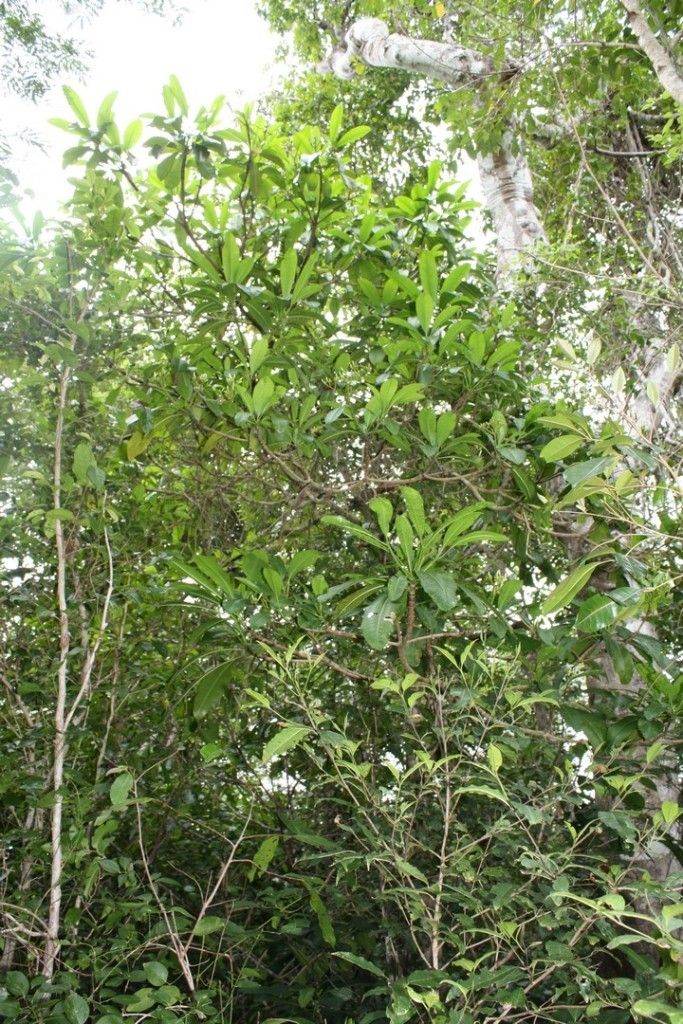
Propagating Ochrosia lifuana: A Gardener’s Guide to a Tropical Gem
Introduction
Ochrosia lifuana, also known as the Lifou Ochrosia, is a captivating tropical tree prized for its glossy, dark green foliage, fragrant flowers, and attractive fruits. Native to New Caledonia, this slow-growing species boasts a unique allure making it a highly sought-after addition to specialized gardens and botanical collections. Its relatively slow growth, however, presents challenges for propagation, making successful cultivation a rewarding achievement for dedicated gardeners. While its beauty is undeniable, propagating Ochrosia lifuana requires patience, precision, and a commitment to understanding its specific needs.
Seed Germination
Seed germination for Ochrosia lifuana is reported to be challenging but not impossible. The seeds have a relatively short viability period; therefore, fresh seeds are crucial for success.
Challenges: Low germination rates, susceptibility to fungal diseases during germination, and the need for specific environmental conditions (high humidity and warmth) are significant hurdles.
Practical Tips: Collecting seeds from ripe, fully matured fruits is paramount. Pre-sowing treatment, such as scarification (carefully nicking the seed coat) to aid water uptake, might improve germination, although this needs further research specific to this species. Sowing should be done in a well-draining seed-starting mix, kept consistently moist but not waterlogged, under high humidity (e.g., using a propagation dome or plastic bag). A warm temperature of around 25-30°C (77-86°F) is beneficial.
Rewards: Successful seed germination offers the reward of high genetic diversity within the resulting seedlings, which is invaluable for conservation efforts and creating a robust population adaptable to different growing conditions. It also offers a potential pathway towards large-scale propagation for landscape applications.
Cuttings
Challenges: Ochrosia lifuana is notoriously difficult to propagate from cuttings. The low success rate is likely due to difficulties in inducing root formation.
Practical Tips: Semi-hardwood cuttings taken during the late spring or early summer, treated with a rooting hormone, and planted in a well-draining, slightly sandy propagation mix under high humidity and warmth, have shown some, albeit limited success in some anecdotal reports. The use of bottom heat can also improve rooting chances. Experimentation with different rooting hormones and propagation mixes might be necessary.
Rewards: If successful, cuttings provide a fast and relatively straightforward method of cloning a desirable plant, preserving its specific characteristics.
Division
Currently, there are no known reliable methods for division propagation of Ochrosia lifuana. The plant’s shallow root system and delicate structure make it highly susceptible to damage during division.
Tissue Culture
Challenges: Establishing a successful tissue culture protocol for Ochrosia lifuana requires specialized knowledge, equipment, and sterile laboratory conditions. Finding appropriate media and growth regulators, along with controlling contamination, represents significant hurdles.
Practical Tips: Research into suitable media formulations (including auxins and cytokinins) is essential for callus induction and shoot proliferation. Developing aseptic techniques are vital to avoid contamination, which is a common problem in tissue culture.
Rewards: Tissue culture offers the potential for rapid multiplication of superior genotypes, disease-free plantlet production, and mass propagation for conservation and commercial purposes.
Conclusion
Propagating Ochrosia lifuana presents notable challenges across all methods. While seed germination offers the potential for genetic diversity, its success rate is unpredictable. Cuttings prove difficult, and division is not a viable option. Tissue culture, although promising, requires specialized expertise and resources.
The unique satisfaction derived from successfully propagating this tropical beauty lies in overcoming these challenges. The dedication required, coupled with the eventual success of witnessing a small seedling grow into a majestic tree, provides a profound sense of accomplishment. For aspiring propagators, patience, perseverance, and a willingness to experiment are key. Start with the most accessible method – seed germination if you have access to viable seeds – and gradually explore other options, carefully documenting your experiences along the way. Don’t be discouraged by setbacks; the rewards of nurturing this special plant far outweigh the difficulties involved.