
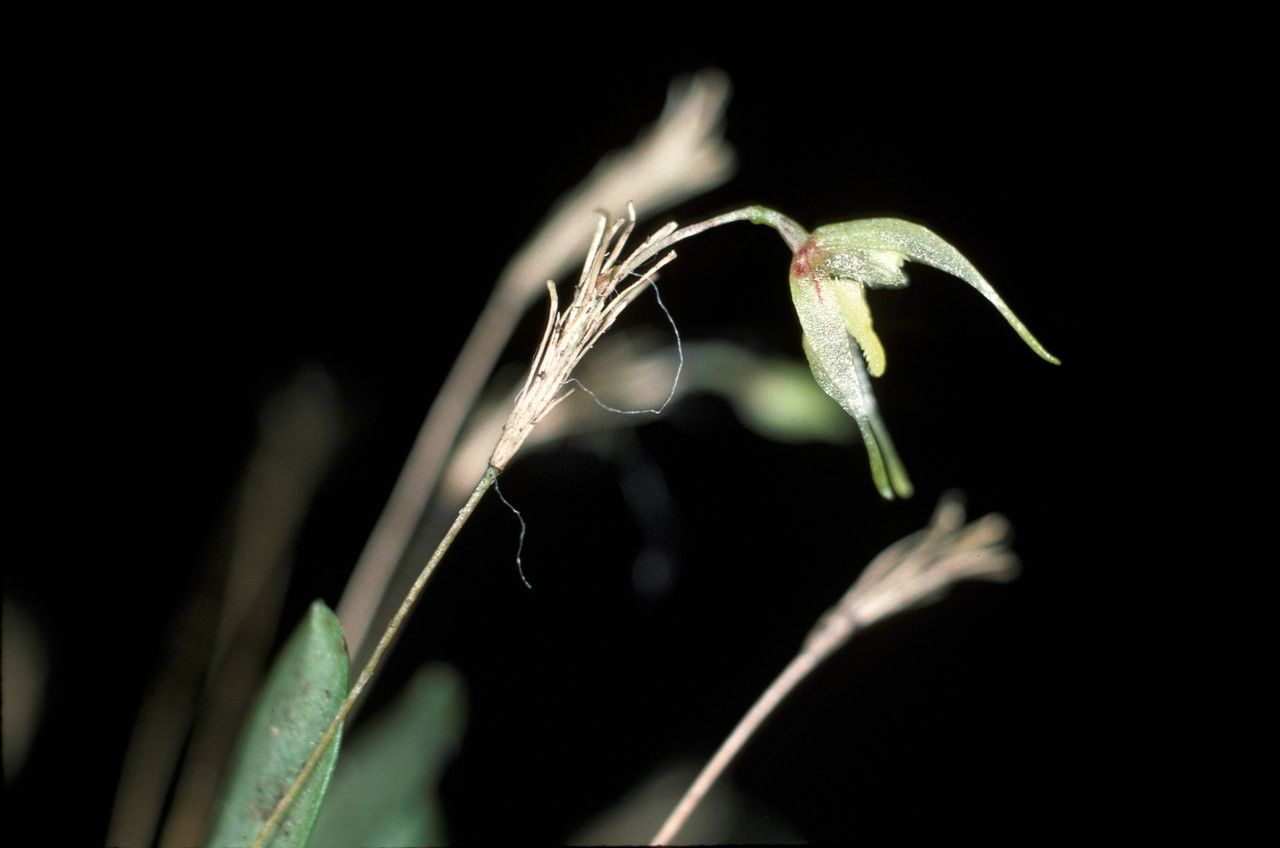
Propagating Grape Hyacinth (Muscari sempervirens): A Gardener’s Guide
Introduction:
Muscari sempervirens, commonly known as Grape Hyacinth, is a beloved spring-flowering bulb renowned for its dense clusters of small, urn-shaped flowers resembling bunches of grapes. These charming blooms, typically ranging in color from deep blue to pale lavender (with occasional white varieties), add a touch of vibrant color to gardens and containers. Their hardiness and ease of naturalization contribute to their widespread popularity among gardeners. However, while relatively simple to grow from bulbs, propagating Grape Hyacinth through other methods presents unique challenges and rewards.
Seed Germination:
Seed germination is a viable, albeit slow, method for propagating Muscari sempervirens. The primary challenge lies in the relatively low germination rate and the time it takes for seedlings to reach flowering size – often several years.
Challenges: Seed dormancy is a significant hurdle. Freshly harvested seeds often benefit from a period of cold stratification (mimicking winter conditions) to break dormancy. This can be achieved by mixing the seeds with damp vermiculite or peat moss and storing them in a refrigerator at 3-5°C (37-41°F) for 8-12 weeks before sowing.
Tips: Sow seeds in well-draining seed-starting mix, barely covering them with soil. Maintain consistently moist (but not waterlogged) conditions and a bright, but indirect, light source. Gentle bottom heat can also improve germination rates.
Rewards: Seed-grown plants offer increased genetic diversity compared to divisions of a mother plant, leading to potentially unique flower colors or forms. This method is ideal for large-scale propagation, though patience is required.
Cuttings:
Currently, there are no known reliable methods for propagation of Muscari sempervirens via cuttings. The plant’s structure and physiology do not lend themselves easily to vegetative propagation from stem or leaf cuttings.
Division:
Division is the most common and successful method for propagating Grape Hyacinth.
Challenges: The optimal time for division is after the foliage has died back in late summer or early autumn. Care must be taken to avoid damaging the bulbs during separation. Smaller divisions may take a year or two to establish and flower.
Tips: Carefully lift the bulb clumps, gently separating individual bulbs or small clumps using a fork or your fingers. Replant the divisions immediately in well-drained soil to a depth of about 5-7 cm (2-3 inches).
Rewards: Division ensures the propagation of desirable traits from the mother plant, resulting in quicker flowering compared to seeds. It’s a relatively simple and reliable technique for increasing the number of plants.
Tissue Culture:
Tissue culture is a complex and specialized method requiring laboratory facilities and expertise. While theoretically possible, it’s not a widely practiced method for propagating Muscari sempervirens due to the relative ease and effectiveness of division.
Challenges: Establishing sterile conditions, obtaining and maintaining healthy explant material, and mastering the intricacies of hormone application and media composition are significant barriers for the average gardener.
Tips: This method requires specialized training and equipment, making it unsuitable for home propagation.
Conclusion:
Propagating Muscari sempervirens presents distinct challenges and rewards depending on the chosen method. While seed germination offers genetic diversity but requires significant patience, division remains the most practical and readily accessible technique for most gardeners. While cuttings and tissue culture are currently not viable options, the relative ease of division and the satisfying reward of seeing these lovely plants thrive makes the effort worthwhile. The unique satisfaction of successfully propagating Grape Hyacinth, from the meticulously stratified seeds to the carefully divided bulbs, lies not only in expanding your garden but in actively participating in the plant’s life cycle. The perseverance needed for successful propagation adds another layer of accomplishment and connection to nature. So, embrace the challenge – the vibrant burst of spring color is well worth the effort.