
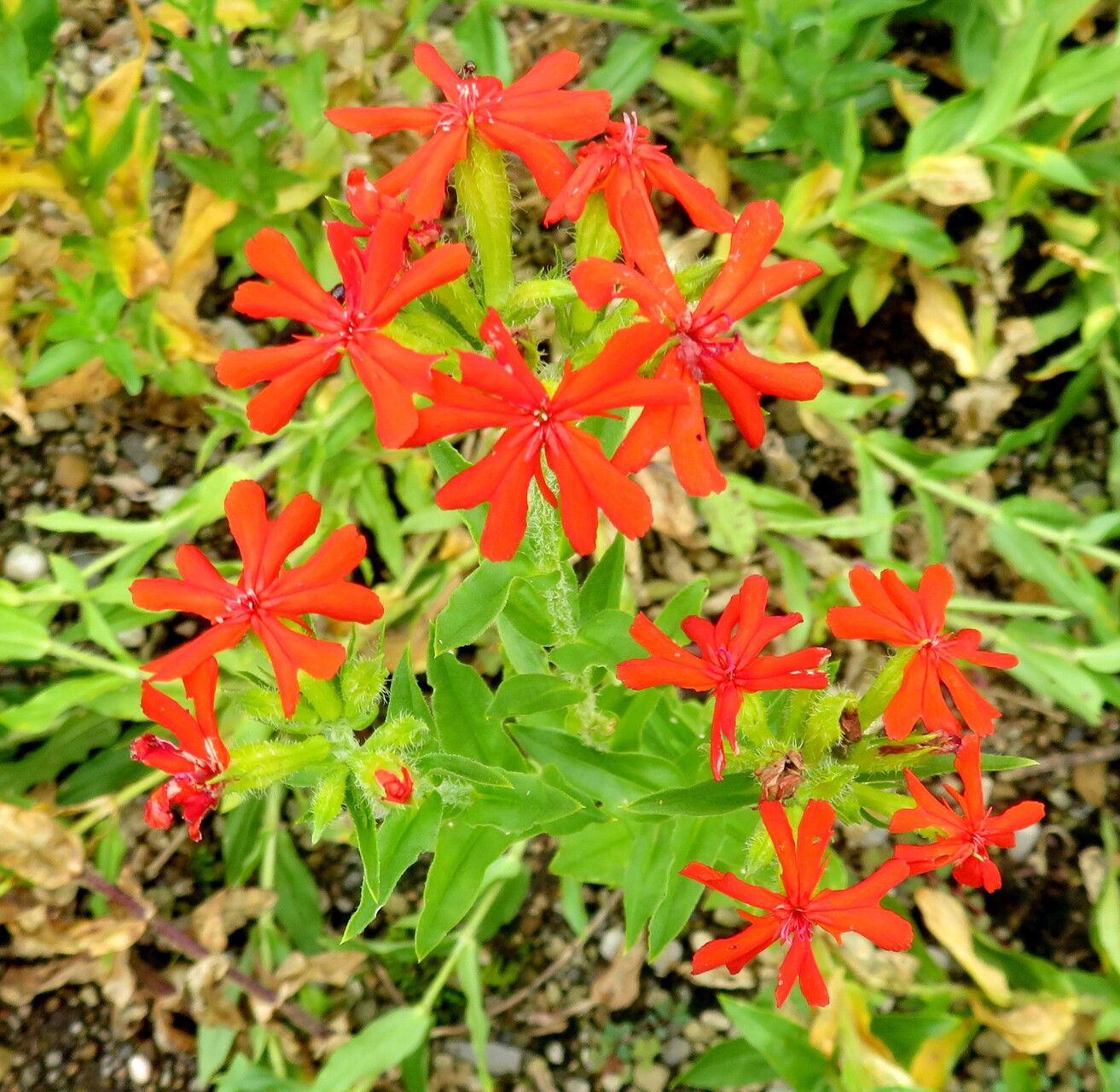
Propagating Silene chalcedonica: Bringing the Catchfly to Your Garden
Silene chalcedonica, also known as the Maltese Cross or scarlet lychnis, is a striking biennial or short-lived perennial boasting vibrant scarlet-red, densely packed flowers arranged in a showy terminal cluster. Its bold display makes it a popular choice among gardeners seeking a dramatic focal point in borders or cottage gardens. However, its propagation can present some challenges, making successful cultivation all the more rewarding. This article explores various propagation methods for Silene chalcedonica, outlining their viability and offering practical advice for aspiring gardeners.
Seed Germination:
Seed germination for Silene chalcedonica is viable, although it can be inconsistent. The primary challenge lies in ensuring successful germination rates. Seeds benefit from a period of cold stratification, mimicking winter conditions. This process helps break dormancy.
Practical Tips:
- Stratification: Sow seeds outdoors in autumn or undertake artificial stratification by mixing seeds with moist vermiculite or peat moss, sealing them in a plastic bag and refrigerating for 6-8 weeks at approximately 4°C (39°F).
- Sowing: After stratification, sow seeds thinly onto a well-drained seed compost, barely covering them with soil. Maintain consistent moisture but avoid overwatering, which can lead to fungal diseases. A warm, bright location (but not direct sunlight) is ideal for germination.
- Rewards: Seed propagation offers the advantage of genetic diversity, allowing for a wide range of variation within your plants. It’s also a cost-effective method suitable for large-scale propagation.
Cuttings:
Currently, there are no known reliable methods for propagating Silene chalcedonica from cuttings. The plant’s physiology does not lend itself readily to this propagation technique.
Division:
Division is a relatively straightforward and successful method for propagating Silene chalcedonica. Established plants readily lend themselves to division.
Practical Tips:
- Timing: The best time to divide Silene chalcedonica is in spring or early autumn when the plant is actively growing but not flowering.
- Technique: Carefully lift the entire plant, separating it into smaller sections, ensuring each division has healthy roots and several shoots. Replant these divisions immediately, spacing them appropriately to allow for growth.
- Rewards: Division produces plants that are genetically identical to the parent plant, ensuring consistent characteristics. This is a relatively quick method for increasing your stock.
Tissue Culture:
While theoretically possible, tissue culture propagation of Silene chalcedonica is not commonly practiced by home gardeners. This method requires specialized equipment, sterile conditions, and a significant amount of horticultural knowledge. It is primarily employed in large-scale commercial propagation or research settings.
Conclusion:
Propagating Silene chalcedonica presents a unique set of challenges and rewards. While seed germination offers genetic diversity but requires patience and attention to detail, division provides a more reliable and simpler method for the home gardener. Cuttings, on the other hand, are unreliable. The lack of widespread success with certain propagation methods only underscores the unique satisfaction derived from successfully establishing and cultivating this vibrant plant. The rewards of a thriving display of Maltese Cross flowers, carefully nurtured from seed or division, far outweigh the initial challenges. Aspiring propagators are encouraged to experiment, starting with the simpler division method and slowly tackling seed propagation to unlock the full potential of this striking plant. Remember careful observation and consistent attention are key to success with any propagation method.