
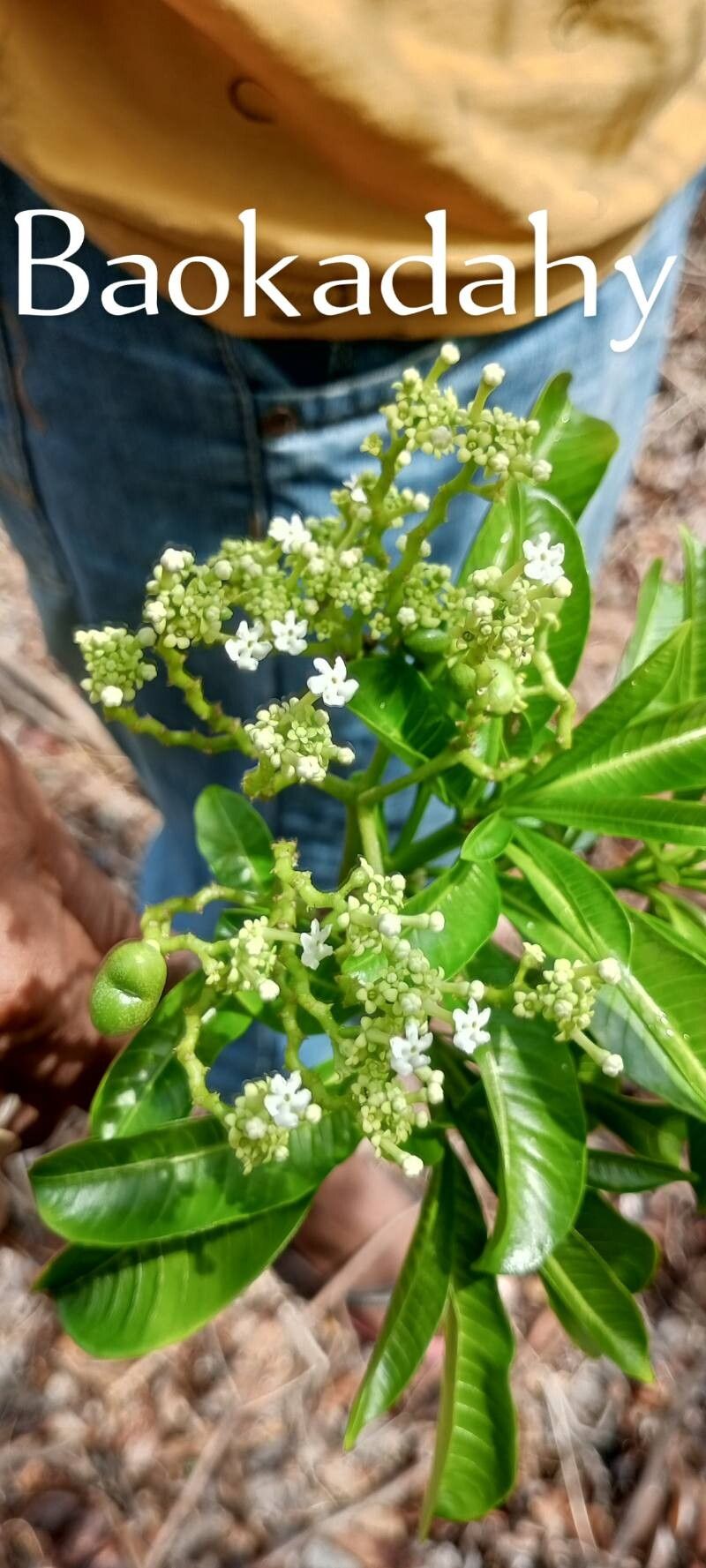
Propagating Rauvolfia caffra: Challenges and Rewards of Cultivating the Quinine Tree
Introduction:
Rauvolfia caffra, commonly known as the Quinine tree or Isinyawo (isi-nyawo in Zulu), is a captivating evergreen shrub renowned for its glossy foliage and attractive clusters of small, white, fragrant flowers. Native to southern Africa, its ornamental value makes it a popular choice among gardeners seeking a relatively low-maintenance, drought-tolerant shrub. However, propagation can present unique challenges, making successful cultivation a rewarding experience. While not as commonly propagated as other garden shrubs, the unique characteristics and medicinal history (though not recommended for self-medication) add to its appeal for keen plant enthusiasts.
Seed Germination:
Currently, there are no known reliable methods for seed germination propagation of Rauvolfia caffra. While seeds are produced, their germination rate is reportedly extremely low, and consistent success has not been documented widely in horticultural literature. Further research into specific pretreatment techniques and environmental conditions may be needed to unlock the potential of seed propagation for this species.
Cuttings:
Cuttings offer a more promising method for propagating Rauvolfia caffra.
Challenges: The success rate can be variable depending on factors such as the age and health of the parent plant, the timing of the cutting, and the environmental conditions. Using semi-hardwood cuttings taken in late summer or early autumn generally yields superior results.
Tips: Use sharpened, clean tools to take 8-10cm cuttings from healthy, non-flowering stems. Remove lower leaves, dip the cut ends in rooting hormone, and plant in a well-draining, moist propagation mix (e.g. perlite and peat moss). Maintaining high humidity (using a propagator or humidity dome) is crucial for success. Regular misting can also improve rooting.
Rewards: This method provides a relatively quick way to produce new plants, preserving the genetic characteristics of the parent plant. It is also a straightforward technique once mastered.
Division:
Division is not a practical method for propagating Rauvolfia caffra. Its root system doesn’t readily lend itself to being divided into viable, independent plants.
Tissue Culture:
Tissue culture offers the potential for large-scale propagation of Rauvolfia caffra and for the production of disease-free plants.
Challenges: This is a highly specialized propagation technique requiring aseptic conditions, specialized media, and a good understanding of plant tissue culture protocols. It is not a method suitable for the average home gardener.
Tips: This method necessitate access to a laboratory equipped for tissue culturing, including a laminar flow hood and autoclave. Standard procedures would likely include inducing callus formation from explants (e.g., stem segments) and then moving to shoot proliferation and rooting media.
Rewards: High propagation rates and disease-free plantlets are its main advantages, making it ideal for large-scale nurseries or conservation projects involving this species.
Conclusion:
Propagating Rauvolfia caffra presents unique challenges, with seed germination proving unreliable at present. Cuttings offer the most accessible and practical method for the home gardener, although success relies on careful technique and attention to detail. Tissue culture holds significant potential for larger-scale propagation but requires specialized expertise and equipment. Despite the hurdles, successfully propagating this beautiful and somewhat enigmatic shrub offers a rewarding sense of accomplishment. The glossy leaves, charming flowers, and the knowledge that you’ve nurtured a plant from a small cutting provide a unique satisfaction that makes the effort worthwhile. For aspiring propagators, patience, meticulous attention to detail, and a willingness to experiment are key to success. Don’t be discouraged by setbacks; each attempt provides valuable learning experiences on your journey to mastering the art of propagating the Quinine tree.