
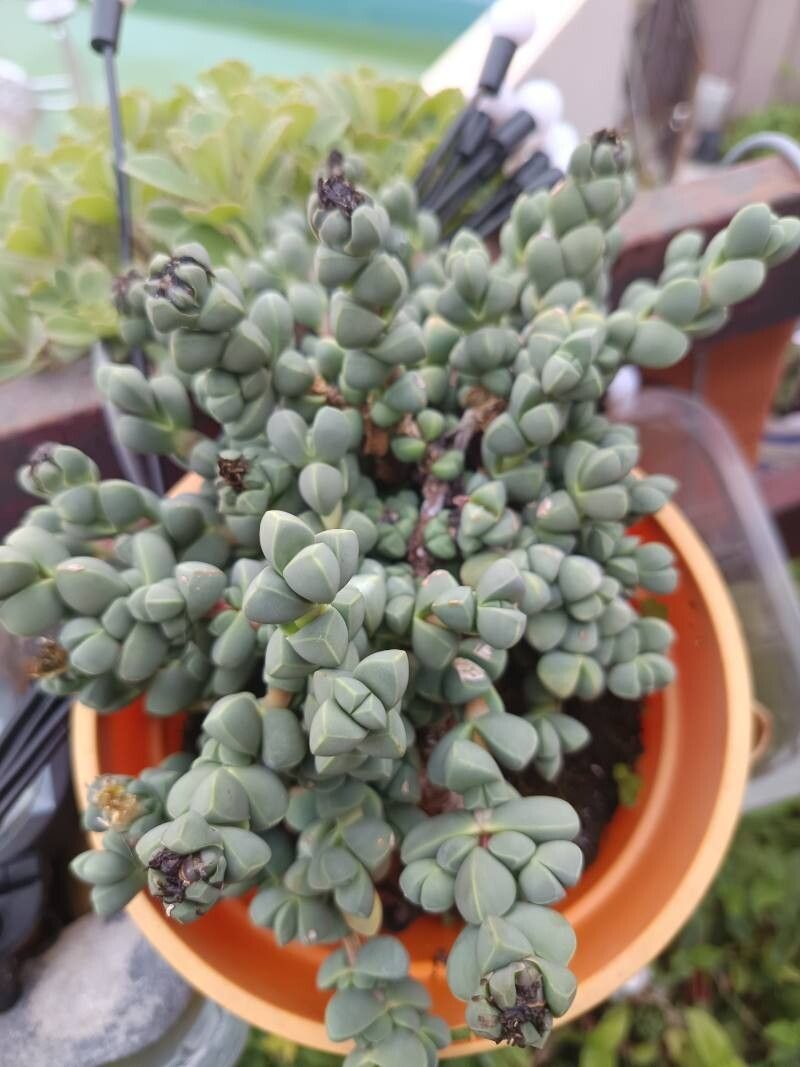
Propagating Delosperma taylorii: A Gardener’s Guide to the Hardy Ice Plant
Delosperma taylorii, commonly known as the Hardy Ice Plant, is a captivating succulent prized for its vibrant, daisy-like flowers and exceptional drought tolerance. Its low-maintenance nature and cheerful blooms make it a popular choice among gardeners, particularly for rock gardens, containers, and ground cover. The plant’s resilience and ability to thrive in harsh conditions make mastering its propagation a rewarding experience for even seasoned cultivators. However, propagation isn’t always straightforward. Let’s explore the various methods.
Seed Germination:
Currently, there are no known reliable methods for seed germination propagation of Delosperma taylorii. While seeds may be produced, their germination rate is exceptionally low, and successful propagation from seed is largely considered impractical for the home gardener.
Cuttings:
Challenges: Delosperma taylorii cuttings root relatively easily, but success depends on careful technique and appropriate conditions. Overwatering is a significant threat, leading to rot before root development.
Tips: Take stem cuttings of about 4-6 inches in length in spring or summer. Allow the cut ends to callous over for a few days before planting. Use a well-draining potting mix (e.g., a cactus and succulent mix) and plant the cuttings shallowly. Water sparingly, only when the soil is completely dry. High humidity and warmth promote rooting; using a humidity dome or propagating mat can significantly improve success rates. Avoid direct sunlight until roots are established.
Rewards: Cuttings offer a relatively simple and reliable method of propagating Delosperma taylorii, preserving the characteristics of the parent plant. It allows for quick multiplication of desirable specimens.
Division:
Challenges: Division is only practical for well-established, mature plants. Dividing too small portions can result in weak plants that struggle to recover. Care must be taken to avoid damaging the delicate roots.
Tips: In spring or autumn, carefully lift the mature plant from the ground. Gently separate the clump into several sections, each with its own established root system. Plant the divisions immediately in well-draining soil, ensuring adequate spacing. Water sparingly after planting.
Rewards: Division is a quick and easy method, ideal for increasing the number of plants from a single established specimen. It’s less prone to failure than seed germination and offers a relatively rapid increase in plant numbers.
Tissue Culture:
Challenges: Tissue culture is a highly specialized technique requiring sterile conditions, specific media, and specialized equipment. It is not a practical method for the average home gardener.
Tips: This method is best left to professional nurseries or laboratories with the necessary resources and expertise.
Rewards: Tissue culture enables the mass propagation of Delosperma taylorii, assuring disease-free stock and the potential for genetic improvement through selection and manipulation.
Conclusion:
Propagating Delosperma taylorii presents unique challenges, with seed germination proving largely unreliable. Cuttings and division offer the most realistic and accessible methods for home gardeners. While these techniques require patience and attention to detail, the rewards are significant. The vibrant flowers and resilient nature of this hardy ice plant make the effort richly worthwhile. The satisfaction of nurturing a tiny cutting into a thriving plant, or carefully dividing a mature specimen, is a testament to the gardener’s skill and a source of immense pleasure. Don’t be discouraged by initial setbacks; persistent effort and careful observation will ultimately lead to the successful cultivation and propagation of this delightful succulent.