
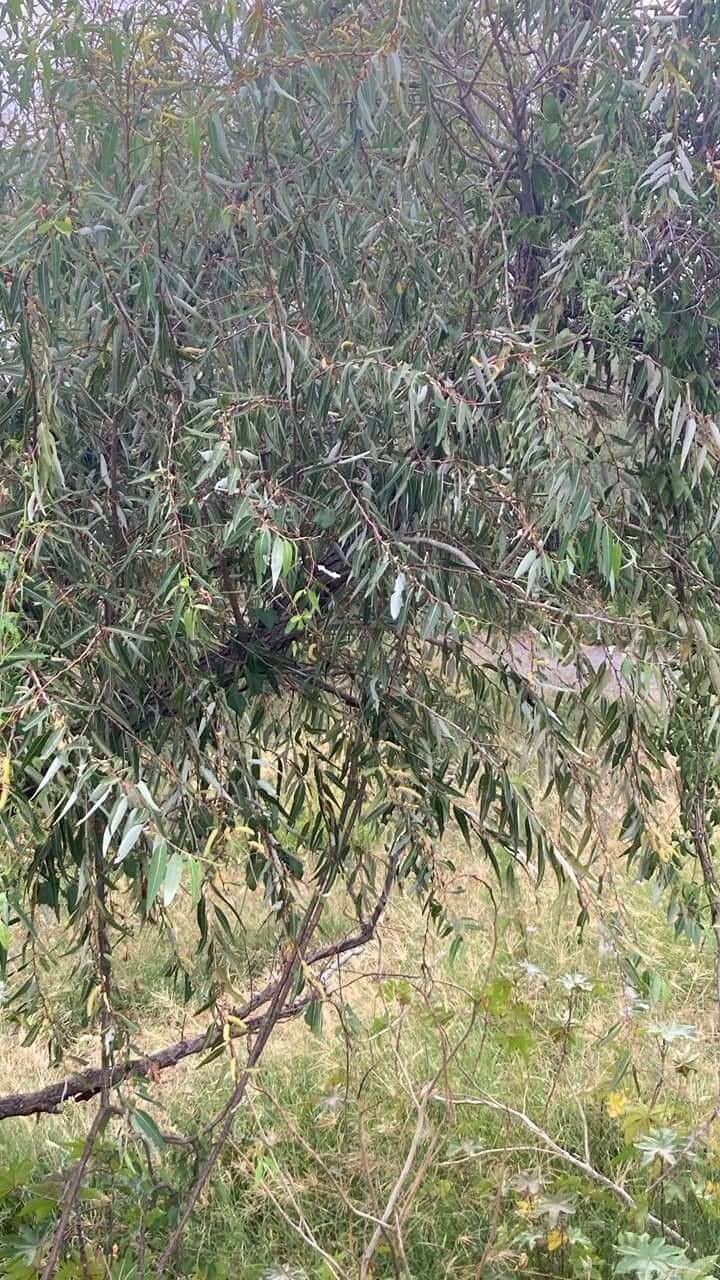
Propagating Salix bonplandiana: A Guide to Cultivating the Arroyo Willow
Introduction
Salix bonplandiana, commonly known as the Arroyo willow, is a striking deciduous tree valued for its graceful weeping habit, rapid growth, and tolerance of wet conditions. Native to riparian areas of North America, it’s a popular choice among gardeners seeking a fast-growing shade tree or an attractive element for water features. Its propagation, however, presents certain unique challenges, making successful cultivation all the more rewarding. While several methods exist, their success rates can vary.
Seed Germination
Currently, there are no known reliable methods for seed germination propagation of Salix bonplandiana. Salix species are known for having short-lived seeds that require specific and often unpredictable conditions for successful germination. The seeds’ small size and susceptibility to fungal diseases further complicate the process. While some anecdotal accounts may exist, there is insufficient evidence to support seed germination as a viable and consistent propagation method for this specific willow species.
Cuttings
Cuttings offer the most reliable method for propagating Salix bonplandiana.
Challenges: While relatively straightforward, timing is crucial. Success relies heavily on selecting healthy, actively growing wood at the right stage of development. Fungal diseases can affect cuttings if proper sanitation isn’t maintained.
Practical Tips: Take hardwood cuttings in late autumn or winter from mature but not overly old wood. These should be 6-12 inches long, with a basal cut made at a 45-degree angle. Remove lower leaves and dip the cut ends in rooting hormone before planting in a moist, well-draining rooting medium (e.g., a mix of perlite and peat moss). Maintain high humidity (e.g., using a humidity dome or misting regularly) to prevent desiccation. Rooting usually takes several weeks to months.
- Rewards: Cuttings provide a quick and reliable way to obtain genetically identical copies of the parent plant, ensuring consistent characteristics in the offspring. This is particularly useful for maintaining desirable traits in cultivated varieties.
Division
Division is not a practical method for propagating Salix bonplandiana. This method is typically used for clump-forming plants, while Arroyo Willows develop a single strong trunk. Attempts at division would likely damage the plant severely, leading to its death.
Tissue Culture
Tissue culture is a viable but technically demanding method for propagating Salix bonplandiana.
Challenges: This approach requires a sterile laboratory environment, specialized equipment, and expertise in plant tissue culture techniques. It’s also more expensive and time-consuming than cuttings.
Practical Tips: Explant selection from healthy, actively growing shoots is paramount. Appropriate growth media and hormone treatments are essential for successful shoot proliferation and root induction. Sterile conditions are crucial to prevent contamination.
- Rewards: Tissue culture allows for mass propagation of genetically uniform plants, ideal for commercial purposes or for the propagation of disease-free stock. It can also be used to conserve rare or endangered genotypes.
Conclusion
Propagating Salix bonplandiana presents unique challenges, with cuttings emerging as the most reliable approach for the home gardener. While seed germination is unreliable and division impractical, tissue culture offers a viable albeit technically demanding option for larger-scale propagation or preservation efforts. Despite the hurdles, the satisfaction of successfully cultivating this elegant tree, whether from a carefully nurtured cutting or a lab-grown specimen, is immense. The reward lies not only in the beautiful mature tree but also in the journey of mastering the art of propagation itself. Remember to prioritize plant health, maintain sanitary practices, and be patient – the wait is worthwhile.