
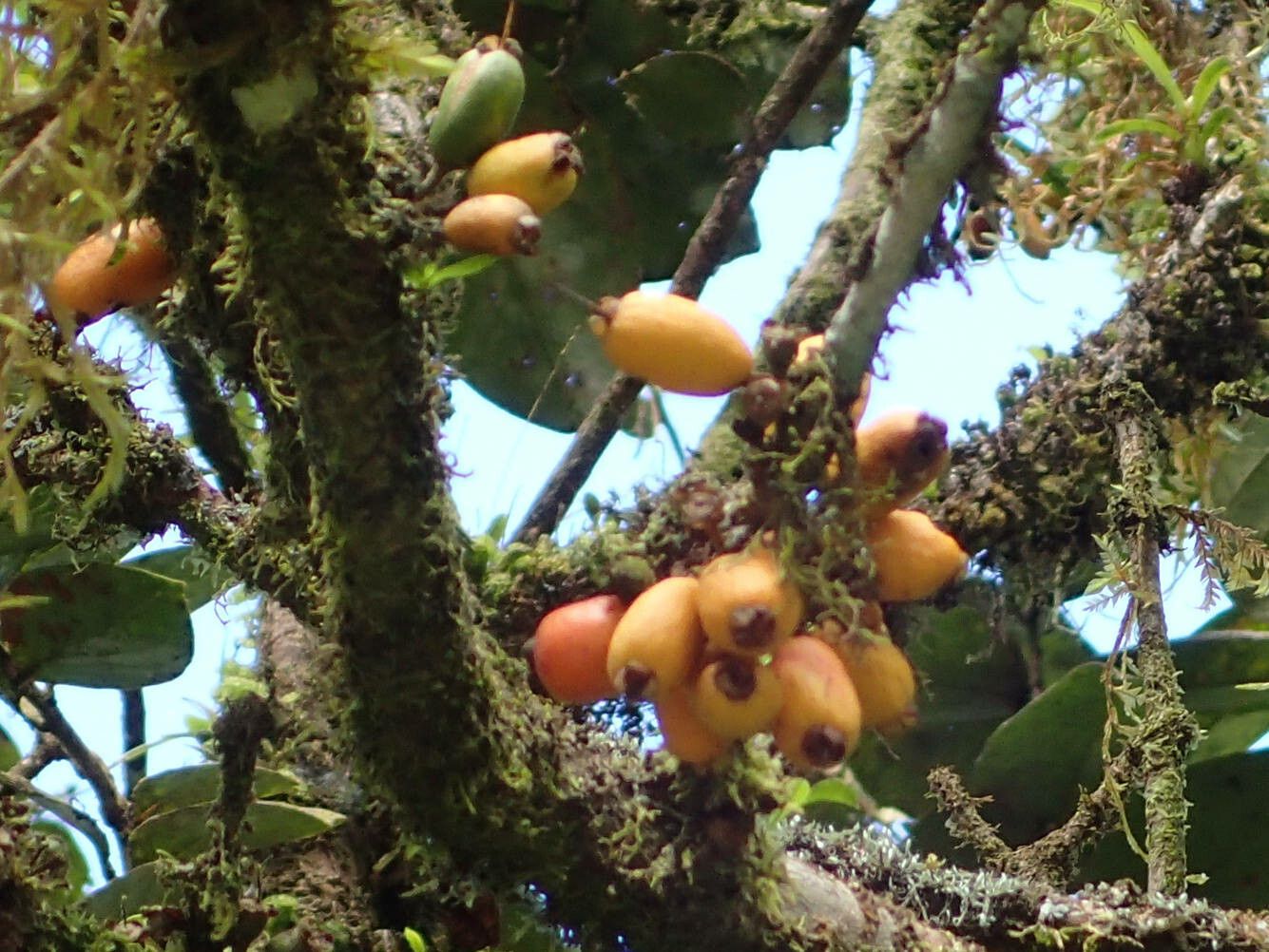
Propagating Eugenia duchassaingiana: A Gardener’s Guide to the "Cayenne Cherry"
Introduction:
Eugenia duchassaingiana, commonly known as the Cayenne Cherry, is a captivating tropical shrub or small tree prized for its attractive foliage and edible fruit. Its glossy, dark green leaves and profusion of small, bright red berries make it a desirable addition to any garden, particularly in warmer climates. While relatively uncommon in cultivation compared to other Eugenia species, its unique beauty and potential for culinary use contribute to its growing popularity among discerning gardeners. Propagation, however, presents certain challenges, making success all the more rewarding. This article explores various methods, highlighting their viability and offering practical advice.
Seed Germination:
Currently, there are no known reliable methods for seed germination propagation of Eugenia duchassaingiana. While seeds may be produced, their germination rate is notoriously low, and consistent success has not been documented in horticultural literature. This is likely due to factors such as seed dormancy, short viability, and susceptibility to fungal diseases.
Cuttings:
Cuttings offer a more promising approach for propagating Eugenia duchassaingiana.
Challenges: The primary challenge lies in achieving successful rooting. Cayenne Cherry cuttings can be prone to fungal infections and slow rooting, particularly if not provided with optimal humidity and warmth.
Practical Tips: Semi-hardwood cuttings taken in late summer or early autumn generally produce the best results. Use a sharp, clean blade to take 4-6 inch cuttings, removing lower leaves to prevent rot. Dip the cut end in a rooting hormone powder before planting in a well-draining mixture of perlite and peat moss. Maintain high humidity using a propagation dome or plastic bag, ensuring adequate ventilation to prevent fungal growth. Bottom heat of around 75-80°F (24-27°C) can significantly improve rooting success. Maintain consistent moisture without overwatering.
Rewards: Cuttings provide a quicker path to mature plants than other methods, replicating the characteristics of the parent plant. This method is ideal for preserving desirable traits and scaling up propagation for larger quantities.
Division:
Division is not a practical method for propagating Eugenia duchassaingiana. This species doesn’t readily form multiple stems or suckers from the base, making division impossible.
Tissue Culture:
Tissue culture offers a potentially high-yield method for propagating Eugenia duchassaingiana, particularly for large-scale production or the preservation of superior genetic material.
Challenges: This method requires specialized equipment, sterile conditions, and specific expertise in plant tissue culture techniques. Establishing and maintaining aseptic conditions is crucial to prevent contamination, and the formulation of the appropriate growth media is vital for optimal growth and shoot proliferation.
Practical Tips: Success hinges on the selection of healthy explant material and the adherence to meticulous sterile procedures throughout the process. Experienced tissue culture laboratories are best equipped for this endeavor.
Rewards: Tissue culture allows for rapid multiplication of desirable genotypes, the production of disease-free plants, and the possibility of micropropagation on a large scale.
Conclusion:
Propagating Eugenia duchassaingiana presents a unique set of challenges, with cuttings offering the most accessible and reliable, albeit still somewhat tricky method for home gardeners. Seed germination is currently not viable. While tissue culture offers the most efficient large-scale option, it requires specialized facilities and expertise. The rewards of cultivating this beautiful and intriguing plant, however, far outweigh the difficulties. The satisfaction derived from successfully nurturing a Cayenne Cherry from a cutting or a tissue-cultured plant is immense, a testament to perseverance and horticultural skill. Aspiring propagators should approach this challenge with patience, meticulous attention to detail, and a willingness to learn from potential setbacks. Remember that even experienced growers may experience losses; success arrives through persistent experimentation and adaptation.