
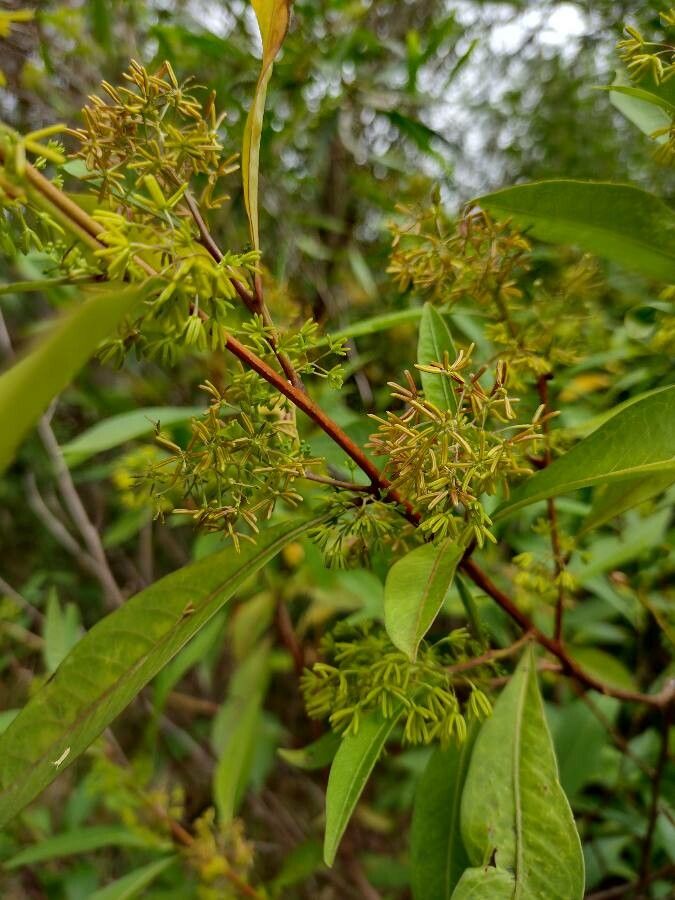
Propagating Dodonaea triquetra: The Three-angled Delight
Dodonaea triquetra, commonly known as hopbush or three-sided hopbush, is a hardy, drought-tolerant shrub valued for its attractive foliage and interesting winged seed capsules. Its adaptability makes it a popular choice amongst gardeners, particularly in arid and semi-arid regions. Its tolerance to harsh conditions and relatively low maintenance requirements contribute to its widespread appeal, although propagation can present some unique challenges. This article explores various methods for propagating this resilient plant.
Seed Germination:
Currently, there are no known reliable methods for seed germination propagation of Dodonaea triquetra. While seeds are produced abundantly, their germination rate is notoriously low and unpredictable. Extensive research has yet to pinpoint consistent success with pre-treatment techniques like stratification (chilling) or scarification (damaging the seed coat). The inherent dormancy of the seeds appears to be a significant hurdle overcome.
Cuttings:
Cuttings offer a more reliable method for propagating Dodonaea triquetra.
Challenges: While relatively straightforward, success hinges on using semi-hardwood cuttings taken from healthy, actively growing shoots during late spring or early summer. Maintaining appropriate humidity levels is crucial, as cuttings are prone to desiccation. Using rooting hormone can significantly improve success rates.
Practical Tips: Take cuttings 10-15 cm long, remove lower leaves, and dip the cut ends in rooting hormone. Plant the cuttings in a well-draining propagation mix, keeping it consistently moist but not waterlogged. Cover the cuttings with a plastic bag or humidity dome to maintain high humidity. Place the cuttings in a bright, warm location out of direct sunlight.
- Rewards: Cuttings provide a quicker propagation method than other techniques, preserving the genetic characteristics of the parent plant. This allows the gardener to easily multiply desirable cultivars or unique specimens.
Division:
Division is a viable propagation method, but limited by the plant’s growth habit.
Challenges: Dodonaea triquetra doesn’t readily produce multiple stems from a single root system like some other shrubs. Successful division requires finding mature plants with well-established root systems and careful handling to avoid damaging the roots. This method is therefore best suited for larger, established plants.
Practical Tips: Dig up the entire plant carefully, disturbing the root system as little as possible. Divide the root ball into sections, ensuring each section has sufficient roots and stems. Replant the divisions immediately in well-prepared soil, watering thoroughly.
- Rewards: Division offers a relatively fast method to increase the number of plants, particularly useful for propagating valued varieties.
Tissue Culture:
Tissue culture is a technically demanding, yet potentially highly efficient propagation method for Dodonaea triquetra.
Challenges: This method requires specialized equipment, sterile conditions, and expertise in plant tissue culture techniques. Establishment of sterile cultures can be difficult, requiring careful selection of explant material and aseptic procedures. Developing optimal culture media for shoot proliferation and rooting is also crucial.
Practical Tips: Expertise is essential for this method; seeking guidance from experienced plant tissue culture laboratories is highly advisable. This technique requires high investment of resources.
- Rewards: Tissue culture offers the potential for mass propagation of genetically uniform plants, rapid multiplication, and the elimination of diseases, making it an important tool for conservation and commercial production.
Conclusion:
Propagating Dodonaea triquetra presents a unique set of challenges across various techniques. While seed germination remains unreliable, cuttings offer a practical approach for most home gardeners. Division is feasible for established plants, while tissue culture offers potential for large-scale propagation but requires specialized knowledge and resources. The rewards, however, are worth the effort. The satisfying experience of successfully nurturing a cutting into a thriving shrub, or witnessing the first signs of growth in a carefully divided plant, offers a unique gratification for the dedicated propagator. Don’t be discouraged by initial setbacks – persistence and careful attention to detail will unlock the secrets to successfully propagating this captivating three-angled beauty.