
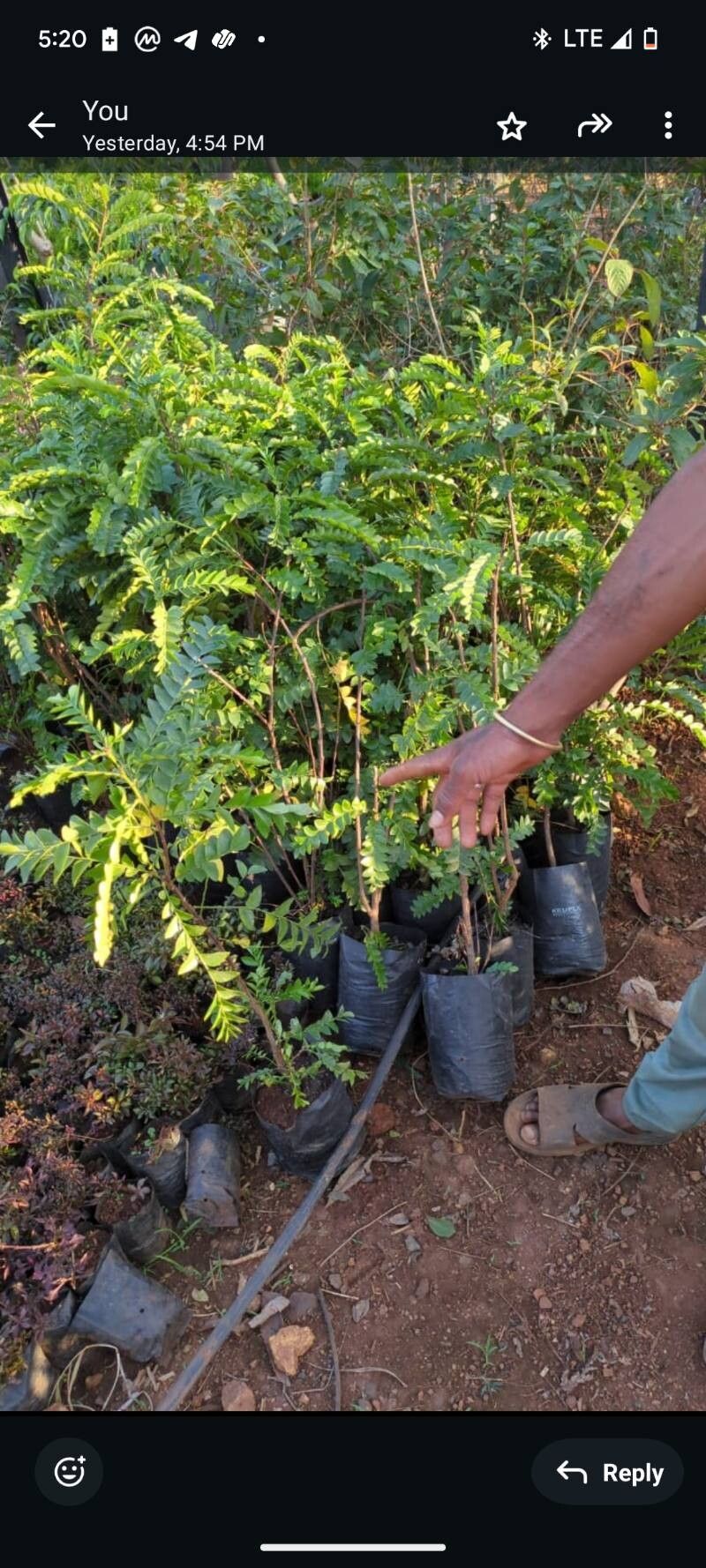
Propagating Paubrasilia echinata: The Challenges and Rewards of Cultivating Brazilwood
Introduction
Paubrasilia echinata, commonly known as Brazilwood or Pernambuco, is a captivating, medium-sized tree prized for its incredibly dense, richly colored heartwood, historically crucial for the production of high-quality bows for stringed instruments and fine dyes. Its horticultural significance lies primarily in its aesthetic value; its vibrant flowers and elegant form make it a desirable addition to gardens in suitable climates (tropical and subtropical). While not widely cultivated compared to other ornamentals, its unique history and beauty foster a dedicated following among gardeners who appreciate the challenge of its propagation.
Seed Germination:
Currently, there are no known reliable methods for seed germination propagation of Paubrasilia echinata. Despite its prolific flowering, successful germination rates from seed are exceptionally low in both natural and cultivated settings. The potential reasons for this include a short seed viability window, hard seed coats requiring scarification that may damage the embryo, and specific mycorrhizal requirements for successful seedling establishment. Consequently, seed propagation is not considered a practical approach for most gardeners.
Cuttings:
Cuttings present a more promising avenue for Paubrasilia echinata propagation, although success is still far from guaranteed. Challenges include a relatively low rooting rate. Several factors contribute to this: the plant’s hardwood nature makes it difficult for cuttings to develop roots, and the susceptibility to fungal diseases during the rooting process.
Practical Tips:
- Timing: Semi-hardwood cuttings taken in late spring or early summer, when growth is active but not excessively vigorous, offer the best potential.
- Hormones: Use a rooting hormone with high auxin concentration to stimulate root development.
- Environment: Maintain high humidity using a propagation chamber or covering with a plastic dome to aid rooting. Bottom heat can also improve rooting success.
- Substrate: Well-draining, sterile medium is essential to prevent fungal infections. A mix of perlite and peat moss often works well.
Rewards:
Despite the difficulties, successful propagation via cuttings offers a relatively quick method for producing genetically identical plants, capturing desirable traits from a mother plant. This method could be employed to produce plants for specialized uses or to preserve particularly attractive specimens.
Division:
Division is not a practical propagation method for Paubrasilia echinata due to its tree-like nature and deep taproot system. The plant’s established root structure makes it extremely difficult, if not impossible, to successfully divide without causing significant damage.
Tissue Culture:
Tissue culture offers the greatest potential for large-scale propagation of Paubrasilia echinata. This sterile technique bypasses many of the germination and cutting challenges.
Practical Tips:
- Sterile Conditions: Maintaining a completely sterile environment is crucial to prevent contamination and loss of plant material.
- Specialized Media: Specialized growth media containing plant hormones and nutrients are necessary to stimulate growth and development.
- Expertise: Tissue culture requires specialized knowledge and equipment, making it best suited for laboratories or experienced horticulturalists.
Rewards:
Tissue culture offers the potential for rapid multiplication of superior genotypes, and the ability to produce large numbers of uniform plants for commercial or conservation purposes.
Conclusion:
Propagating Paubrasilia echinata presents a significant challenge, with seed germination proving unreliable. Cuttings, while offering some success, require patience, skill, and attention to detail. Division is impractical, while tissue culture represents the most efficient method but demands specialized expertise and resources. The rewards, however, are substantial. The successful propagation of this historically and ecologically important species brings a unique sense of accomplishment. The difficulties involved only amplify the satisfaction of cultivating this beautiful and historically significant tree, making the journey a rewarding one for dedicated propagators. If persevering, experiment with cuttings, and seriously consider exploring tissue culture options for larger-scale propagation, consulting with horticultural specialists as needed.