
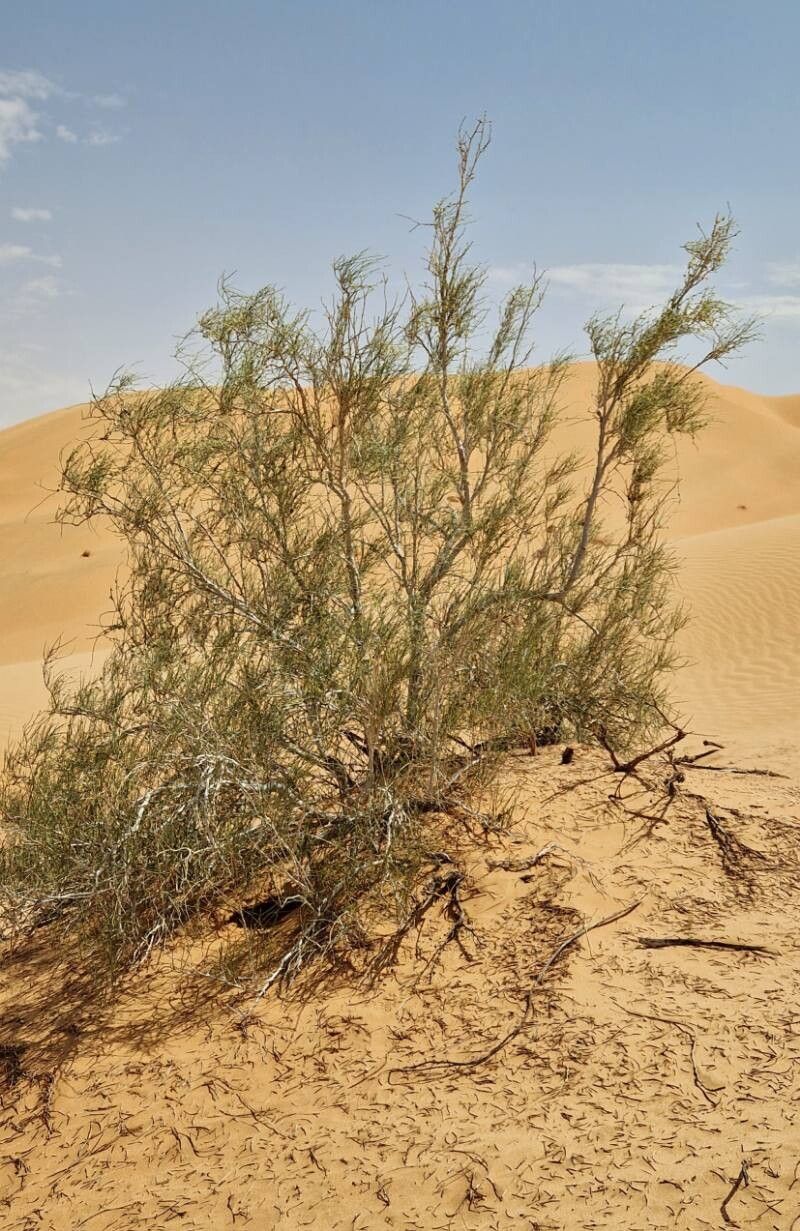
Propagating Calligonum comosum: A Desert Challenge
Introduction:
Calligonum comosum, commonly known as the sand broom, is a fascinating and resilient shrub native to arid and semi-arid regions. Its striking, almost skeletal branching structure and ability to thrive in harsh conditions make it a highly sought-after plant among gardeners specializing in xeric landscapes. Its unique adaptation to drought, wind erosion control capabilities and its visually interesting form contribute to its growing popularity. However, propagating this desert dweller presents unique challenges, making success a rewarding endeavor for the dedicated propagator.
Seed Germination:
Seed germination for Calligonum comosum is viable, but presents significant challenges. The hard seed coat often necessitates scarification before sowing. Methods include gently nicking the seed coat with a file or sandpaper, or using concentrated sulfuric acid (carefully!). This weakens the protective layer and allows water to penetrate, initiating germination.
Challenges: Low germination rates are common, even with scarification. The seeds require specific conditions – warm temperatures (ideally 20-25°C), well-draining sandy soil, and consistent moisture without waterlogging, which can lead to fungal diseases.
Tips: Sow seeds thinly in well-drained seed trays or containers filled with a sandy mix. Cover the seeds lightly with sand. Maintain consistently moist conditions but avoid overwatering. A bottom-watering approach can help prevent fungal issues.
Rewards: Successfully germinated seeds offer high genetic diversity, providing a range of potentially more robust and adaptable plants. This method allows for large-scale propagation if germination rates can be improved through experimentation with scarification techniques and environmental conditions.
Cuttings:
Currently, there are no known reliable methods for propagation of Calligonum comosum from cuttings. The plant’s physiological adaptations to arid environments likely hinder the development of roots from cuttings. Further research is needed to explore potential methods, such as using specific rooting hormones and controlled environmental conditions.
Division:
Division is not a practical propagation method for Calligonum comosum. The plant’s deeply rooted, often sprawling nature makes it difficult, if not impossible, to successfully divide the root system without significant damage to the parent plant or the resulting divisions.
Tissue Culture:
While not yet widely explored, tissue culture offers potential for the propagation of Calligonum comosum. This technique could bypass some of the germination and cutting challenges. However, establishing optimized protocols for tissue culture requires specialized expertise, lab equipment and significant investment in research and development. Currently, there is limited information available on successful tissue culture propagation of this species.
Conclusion:
Propagating Calligonum comosum presents a unique set of challenges. Seed germination, while possible with diligent effort and experimentation, presents low success rates initially. Other methods, such as cuttings and division, are currently not viable. Tissue culture holds promise but requires considerable expertise and resources. Despite these difficulties, the rewards are significant. Successfully cultivating this resilient plant from seed or through tissue culture brings a deep sense of accomplishment, representing a triumph over the challenges posed by this captivating desert dweller. For aspiring propagators, patience, persistence, and a willingness to experiment with scarification techniques, sowing methods and potentially tissue culture are key to success. The unique beauty and hardiness of the sand broom make the effort well worthwhile.