
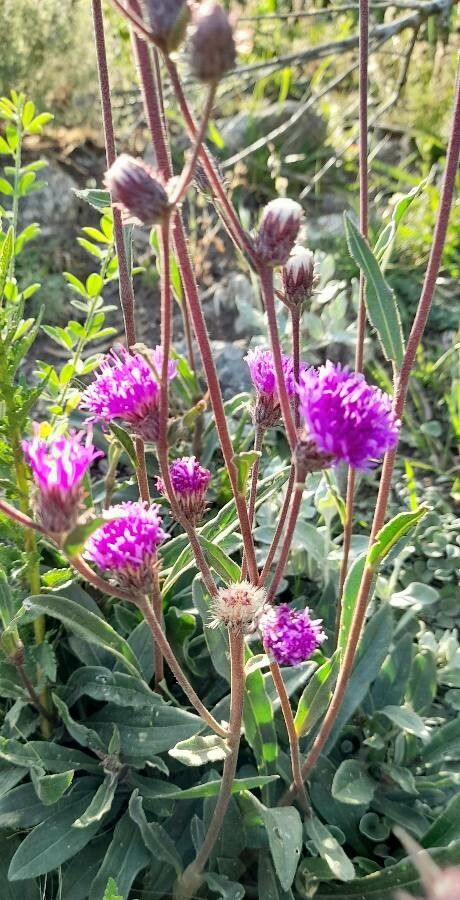
Propagating Vernonia echioides: A Guide to Cultivating the Ironweed
Vernonia echioides, commonly known as the Assam ironweed or elephant’s foot, is a striking herbaceous perennial prized for its tall, sturdy stature and profuse, late-summer blooms of deep purple or lavender. This visually impressive plant, native to India and Southeast Asia, is gaining popularity among gardeners for its drought tolerance, resilience, and ability to attract pollinators. However, its propagation presents unique challenges, making successful cultivation all the more rewarding.
Seed Germination:
Currently, there are no known reliable methods for seed germination propagation of Vernonia echioides. While seeds may be produced, germination rates are extremely low and unpredictable, hindering its widespread propagation through this method. Further research is needed to determine if specific pretreatment techniques (such as scarification or stratification) could improve germination success.
Cuttings:
Cuttings offer a more reliable method for propagating Vernonia echioides than seed germination.
Challenges: The success rate can vary depending on the timing and technique employed. Hardwood cuttings taken in late autumn or winter and softwood cuttings taken in spring or early summer have shown some promise. However, rooting can be slow.
Practical Tips: Use a well-draining rooting medium such as a mix of perlite and peat moss. Apply rooting hormone powder to the base of the cuttings to stimulate root development. Maintain a consistently moist but not soggy environment and provide bottom heat to encourage root formation. Propagation in a humidity dome or propagator is highly recommended.
Rewards: Cuttings provide a faster and more reliable means of obtaining genetically identical plants to the mother plant, preserving desirable traits. This method is particularly useful for propagating rare or superior cultivars.
Division:
Division is a viable and relatively straightforward propagation method for established Vernonia echioides plants.
Challenges: This method is limited to mature plants that have developed a substantial root system. Improper division can damage the plant, leading to reduced vigor or even death.
Practical Tips: Divide the plant in early spring or autumn when the plant is dormant. Ensure each division has a healthy section of roots and shoots. Plant the divisions immediately into well-prepared soil, ensuring adequate spacing. Water thoroughly after planting.
Rewards: Division offers a simple and efficient method for increasing the number of plants, providing a readily available supply of plants for various purposes while maintaining the genetic characteristics of the parent plant.
Tissue Culture:
Tissue culture offers the potential for large-scale propagation of Vernonia echioides, overcoming the limitations of other methods.
Challenges: Tissue culture requires specialized equipment, sterile conditions, and expertise in plant tissue culture techniques. It is a more complex and costly method compared to cuttings or division.
Practical Tips: This involves establishing aseptic cultures from small plant explants (such as stem segments or leaf pieces) and growing them on a nutrient-rich medium. Careful selection of the growth medium and hormones is crucial for optimal growth and shoot multiplication.
Rewards: Tissue culture allows for rapid and mass production of genetically identical plants, ideal for commercial applications and the conservation of rare or endangered varieties. It also offers an opportunity for virus elimination and the production of disease-free plants.
Conclusion:
Propagating Vernonia echioides presents both challenges and significant rewards. While seed germination remains unreliable, cuttings and division offer practical methods for most home gardeners. Tissue culture offers the potential for large-scale propagation but requires specialized knowledge and resources. The satisfaction derived from successfully cultivating this impressive plant, especially after overcoming the propagation hurdles, is a testament to the gardener’s dedication and patience. Remember that patience and attention to detail are key to success with any of these propagation methods. Don’t be discouraged by initial setbacks; careful observation and adaptation will greatly improve your chances of successfully propagating this unique and rewarding plant.