
Propagating the Kamassi: A Gardener’s Guide to Gonioma kamassi
Introduction:
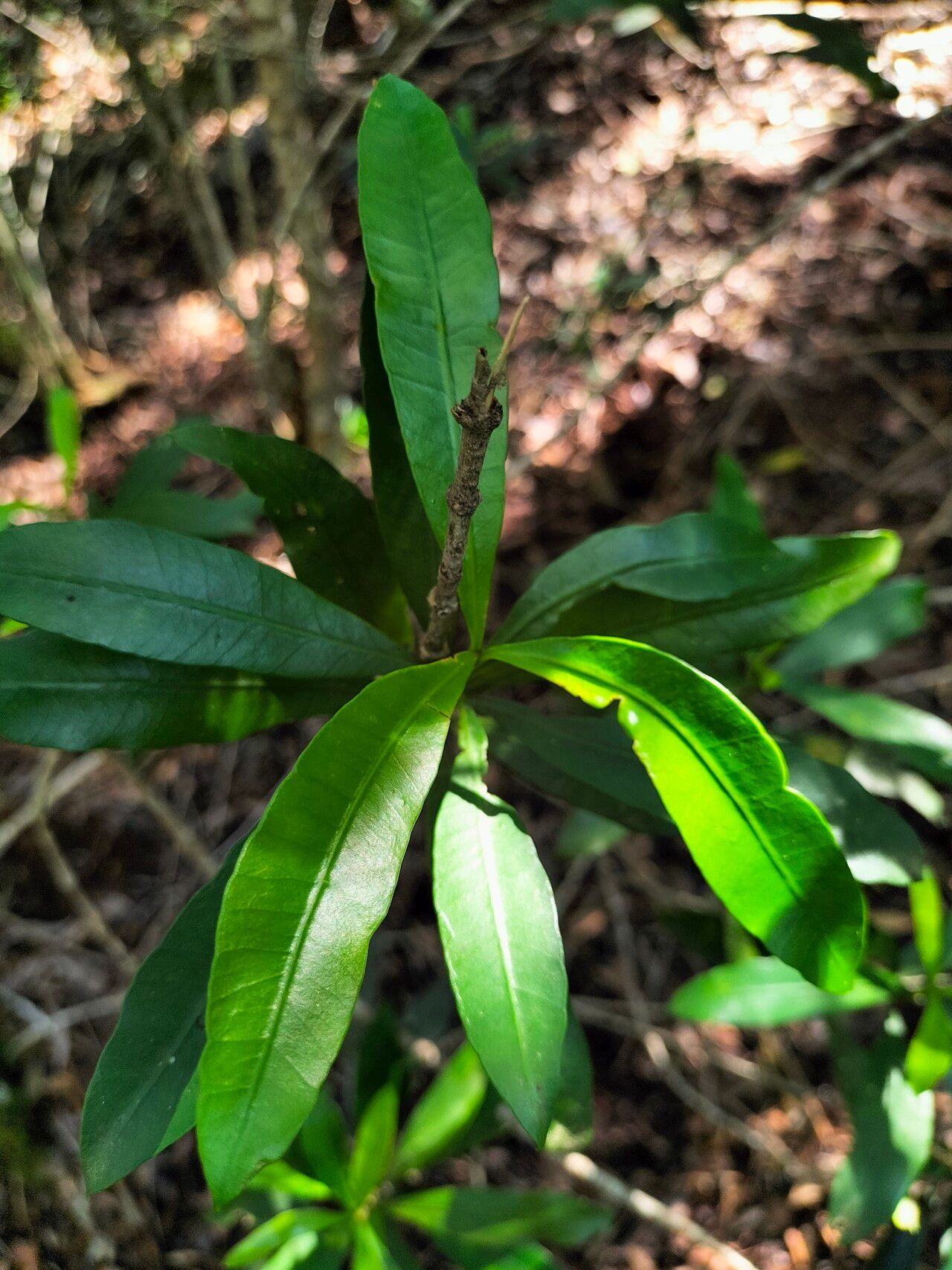
Gonioma kamassi, commonly known as the Kamassi, is a striking evergreen shrub or small tree native to the forests of South Africa. Its glossy, dark green leaves, often tinged with bronze when young, and its attractive, inconspicuous flowers make it a popular choice among gardeners seeking an elegant, low-maintenance addition to their landscapes. However, propagating Kamassi presents unique challenges, making successful cultivation particularly rewarding. Its slow growth and relative rarity contribute to its desirability, increasing the importance of exploring effective propagation techniques.
Seed Germination:
Currently, there are no known reliable methods for seed germination propagation of Gonioma kamassi. While seeds may be produced, their germination rate is extremely low, and successful germination under cultivated conditions remains undocumented. Further research is needed to determine if specific pre-treatment techniques (such as stratification or scarification) could improve germination success.
Cuttings:
Propagating Kamassi from cuttings offers a more promising approach than seed germination.
Challenges: Kamassi cuttings can be slow to root, and success depends heavily on the timing and technique employed. Factors such as the age and health of the parent plant, the type of cutting (e.g., hardwood versus softwood), and the rooting medium significantly impact the outcome.
Practical Tips: Semi-hardwood cuttings taken in late summer or early autumn typically show the best results. These should be 8-10cm long and taken from non-flowering stems. Dip the cut ends in a rooting hormone powder before planting in a well-draining, moist mixture of perlite and vermiculite or a specialized propagation mix. Maintain high humidity (using propagation domes or plastic bags) and consistent warmth (around 20-25°C) while avoiding direct sunlight.
Rewards: This method allows for the efficient replication of desirable traits from a healthy mother plant. It’s well-suited for small-scale propagation for personal use or for producing a limited number of plants for sale.
Division:
Division is not a practical method for propagating Gonioma kamassi. This shrub/tree doesn’t readily lend itself to division due to its woody structure and deep root system. Attempting division is likely to severely damage the plant and significantly reduce chances of survival for both the parent and the resulting divisions.
Tissue Culture:
Tissue culture offers the potential for large-scale propagation of Gonioma kamassi.
Challenges: Establishing sterile tissue culture protocols requires specialized knowledge, equipment, and aseptic techniques. The optimal media composition and growth regulators for Kamassi will need to be determined through experimentation. This method is costly and time-consuming, requiring specialized training and laboratory facilities.
Practical Tips: Research into suitable plant growth regulators and media formulations is crucial. Collaboration with plant tissue culture specialists would be beneficial.
Rewards: Tissue culture offers the greatest potential for mass-producing genetically uniform plants, crucial for commercial purposes or large-scale conservation efforts. It also minimizes the risk of disease transmission.
Conclusion:
Propagating Gonioma kamassi presents significant challenges across all methods. While seed germination appears infeasible with current knowledge, cuttings offer a plausible, albeit slow, method for small-scale propagation. Division is not recommended, while tissue culture provides the greatest potential for large-scale production but demands specialized expertise and resources. The rewards of successfully cultivating this elegant plant—whether from a carefully nurtured cutting or a laboratory-propagated specimen—are well worth the effort. The unique satisfaction derived from overcoming these challenges, coupled with the aesthetic beauty of the Kamassi, makes it a highly rewarding endeavor for dedicated plant enthusiasts. Aspiring propagators should begin with cuttings and consider seeking guidance from experienced horticulturalists for optimal results. Patience and persistence are key to success in cultivating this special South African treasure.