
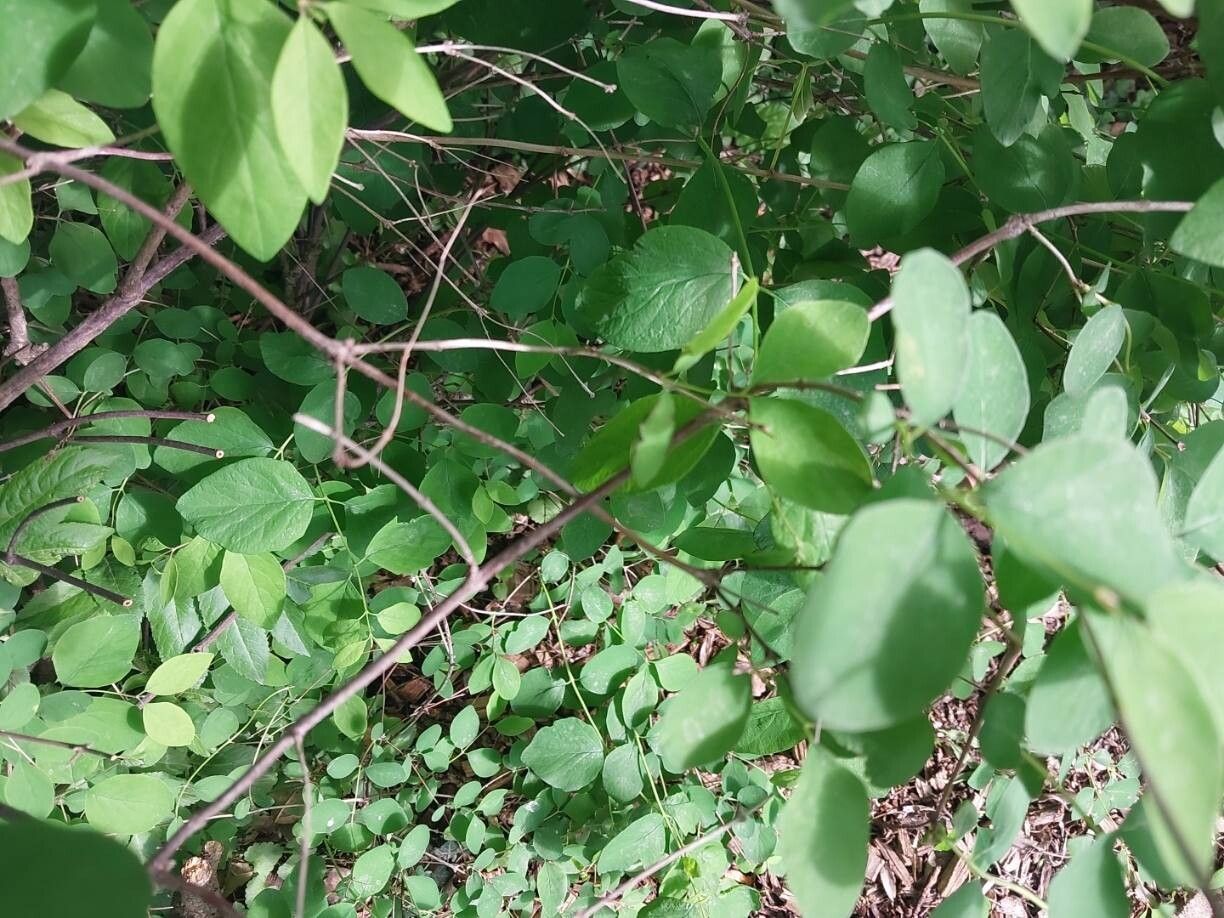
Propagating Snowberry (Symphoricarpos occidentalis): A Gardener’s Guide
Introduction:
Symphoricarpos occidentalis, commonly known as snowberry, is a North American native shrub prized for its attractive, drooping clusters of white berries that persist through winter. Its tolerance of drought and poor soil, combined with its ability to attract birds and provide winter interest, makes it a popular choice among gardeners. However, propagation can present some unique challenges. While visually appealing and relatively low-maintenance once established, getting snowberry to successfully reproduce requires understanding its specific needs. This guide explores various propagation methods, weighing their success rates and providing practical advice.
Seed Germination:
Currently, there are no known reliable methods for seed germination propagation of Symphoricarpos occidentalis. While seeds are produced abundantly, their germination rate is notoriously low, and success often requires specialized techniques beyond the scope of the average home gardener. Dormancy periods and specific environmental conditions appear to play significant roles in germination which haven’t been fully elucidated.
Cuttings:
Viability: Softwood cuttings taken in late spring or early summer offer the best chance of success for propagating snowberry.
Challenges: Cuttings can be slow to root, and success rates depend heavily on maintaining consistent moisture and humidity. Fungal diseases can also be a problem if proper sanitation and ventilation aren’t ensured.
Tips: Use rooting hormone to improve success rates. Prioritize well-draining potting mix to prevent rot. Mist regularly to maintain high humidity. Use a humidity dome or propagator to create a humid environment. Propagate in a shaded location.
Rewards: Cuttings are relatively easy to take compared to other methods, providing a quick way to multiply desirable cultivars without the genetic variation inherent in seed propagation.
Division:
Viability: Division is a relatively straightforward and successful method, especially for established plants.
Challenges: Only suitable for mature plants with well-developed root systems. Dividing too aggressively can damage the plant, lowering chances of survival for both the parent plant and the divisions.
Tips: Divide in early spring or fall, ensuring each division has sufficient roots and stems. Plant divisions immediately after separation in well-prepared soil. Water thoroughly after planting.
Rewards: A simple, effective method for increasing the number of plants quickly, ideal for maintaining specific genetic traits.
Tissue Culture:
Viability: Tissue culture is a viable, albeit specialized, method for propagating Symphoricarpos occidentalis.
Challenges: This method requires specialized equipment, sterile conditions, and a good understanding of plant tissue culture techniques. It’s not a practical option for home gardeners.
Tips: This process is best left to nurseries or research facilities with the experience and resources to successfully execute tissue culture protocols.
Rewards: The highest potential for large-scale propagation of disease-free plants, maintaining consistent genetic material.
Conclusion:
Propagating Symphoricarpos occidentalis presents distinct challenges depending on the chosen method. While seed propagation is unreliable, cuttings and division provide relatively easy pathways for successful propagation. Tissue culture offers a high-yield method but requires specialized expertise. The rewards, however, are significant: the ability to expand your snowberry collection, share plants with others, and enjoy the unique beauty of this hardy shrub. The satisfaction derived from cultivating snowberry, particularly when overcoming the propagation hurdles, far outweighs the effort involved. For the home gardener, focusing on softwood cuttings or division will offer the best chance of successful propagation and the delight of nurturing these fascinating plants. Remember, patience and attention to detail are key to success with any propagation method.