
Propagating Coffea humilis: A Gardener’s Challenge and Reward
Introduction:
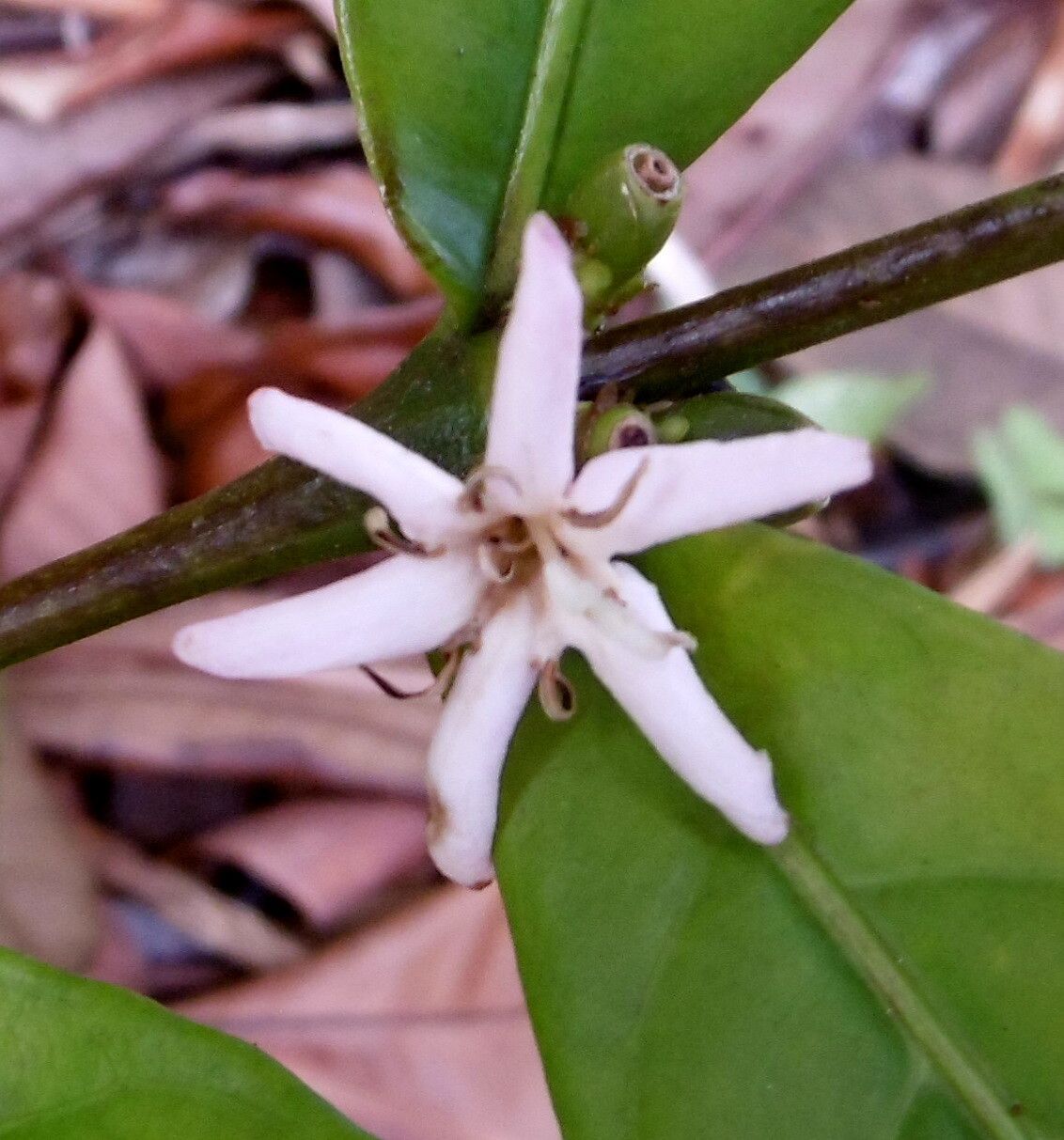
Coffea humilis, also known as the dwarf coffee or small-fruited coffee, is a captivating species within the Coffea genus. Unlike its commercially significant relatives, Coffea humilis is prized by gardeners not for its coffee bean production but for its ornamental value. Its compact size, attractive foliage, and charming white flowers make it a sought-after addition to collections specializing in rare or unusual plants. While less common than other Coffea species, its unique characteristics and propagation challenges contribute to its appeal among experienced plant enthusiasts. Its propagation, however, presents certain obstacles, adding to the satisfaction of successful cultivation.
Seed Germination:
Currently, there are no known reliable methods for seed germination propagation of Coffea humilis. While seeds may be produced, their germination rate is extremely low, and successful germination has not been documented in the horticultural literature. This is likely due to factors including seed dormancy, exacting environmental requirements, and susceptibility to fungal diseases during germination. Therefore, relying on seed propagation for Coffea humilis is not a practical approach.
Cuttings:
Cuttings offer a more promising pathway for propagating Coffea humilis.
Challenges: Rooting cuttings of Coffea humilis can be challenging. The success rate is often low, demanding careful attention to detail. The cuttings are prone to fungal infections and require a humid environment to prevent desiccation.
Practical Tips: Semi-hardwood cuttings, taken from new growth in spring or early summer, have a slightly higher success rate. These should be treated with a rooting hormone prior to planting in a well-draining, sterile propagation mix (e.g., perlite and vermiculite). High humidity is crucial; a propagation dome or frequent misting is highly recommended. Maintaining consistent warmth (around 75-80°F) and indirect light accelerates rooting.
Rewards: Cuttings allow for the clonal propagation of desirable traits from a mother plant, ensuring consistent quality and characteristics in new plants. This is particularly useful for preserving unique cultivars or specimens.
Division:
Division is not a viable method for propagating Coffea humilis. This species generally forms a single-stemmed plant rather than clumping or producing readily separable sections suitable for division.
Tissue Culture:
Tissue culture offers the potential for large-scale propagation of Coffea humilis.
Challenges: Establishing a successful tissue culture protocol for Coffea humilis requires specialized expertise, laboratory equipment, and sterile conditions. The process is complex and requires optimization of media composition, growth regulators, and environmental parameters. Contamination is a significant risk.
Practical Tips: This method requires dedicated facilities and experienced personnel. Protocols must be tested and refined, and success is not guaranteed.
Rewards: Tissue culture allows for the rapid mass production of genetically identical plants, overcoming the limitations of other propagation methods. It also provides the opportunity for disease elimination and genetic improvement through selection.
Conclusion:
Propagating Coffea humilis presents several challenges, particularly with seed germination and division. Cuttings provide a more achievable, though still demanding, method for propagating this plant, while tissue culture holds the greatest potential for large-scale production, albeit with significant technical requirements. The rewards, however, are considerable: the satisfaction of successfully cultivating this unique and beautiful species far exceeds the difficulties involved. The perseverance required fosters a deep appreciation for the plant’s unique adaptations and resilience. For aspiring propagators, we recommend starting with cuttings using the techniques outlined above, emphasizing sterility and humidity control. Patience and meticulous observation are key to success, and the journey itself is a valuable learning experience that will enhance your gardening expertise.