
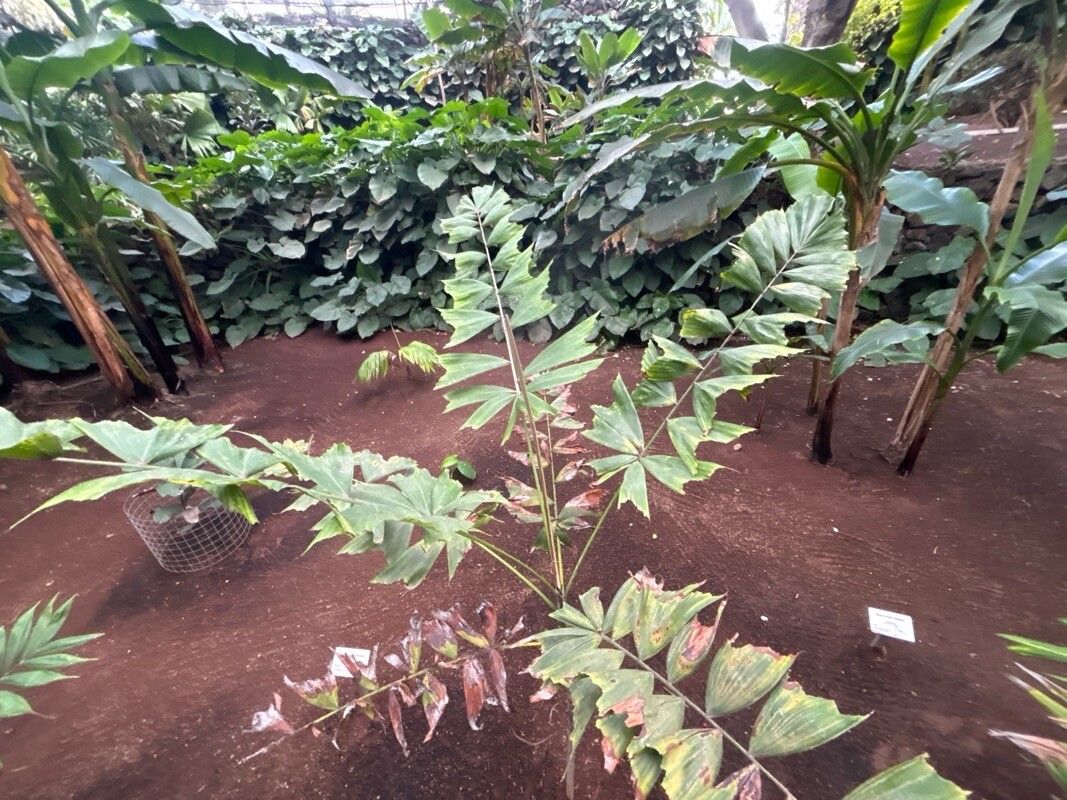
Propagating Ptychosperma burretianum: The Challenges and Rewards of Cultivating the Red Sealing Wax Palm
Introduction
Ptychosperma burretianum, commonly known as the Red Sealing Wax Palm, is a highly prized ornamental palm renowned for its striking red inflorescences and elegant, feathery foliage. Its relatively compact size and tolerance of a range of conditions make it a popular choice for gardens, both large and small, in tropical and subtropical climates worldwide. Its propagation, however, presents certain challenges, making the successful cultivation of this beautiful palm all the more rewarding. Unique aspects of its propagation include a relatively low seed production in some cases and the potential difficulties associated with establishing cuttings.
Seed Germination
Seed germination is a viable, albeit sometimes unpredictable, method for propagating Ptychosperma burretianum.
Challenges: The main challenge lies in the variable germination rates observed. Seed viability can be affected by factors such as seed maturity at harvest, storage conditions, and the presence of pathogens. Freshly collected seeds generally offer the highest germination success.
Practical Tips: Collect ripe, reddish-brown fruits and remove the seeds carefully. Soak the seeds in warm water for 24-48 hours before sowing. Sowing in a well-draining seed-starting mix, kept consistently moist but not waterlogged, is crucial. A warm temperature (around 25-30°C) and high humidity are beneficial. While stratification isn’t strictly necessary, a period of pre-sowing drying might improve germination in some cases.
Rewards: Seed germination offers the advantage of genetic diversity, resulting in a wider range of plant characteristics. This method also presents the potential for large-scale propagation, ideal for commercial nurseries or landscape projects.
Cuttings
Currently, there are no known reliable methods for propagation of Ptychosperma burretianum using cuttings. The palm’s physiology makes it difficult to root stem cuttings effectively.
Division
Division is not a practical method for propagating Ptychosperma burretianum. This palm doesn’t readily produce offshoots or suckers that can be easily separated and replanted.
Tissue Culture
Tissue culture offers a potentially viable method for large-scale propagation of Ptychosperma burretianum, though it requires specialized equipment and expertise.
Challenges: Establishing aseptic conditions and developing a reliable protocol for shoot multiplication and rooting are significant hurdles. The process can be expensive and time-consuming.
Practical Tips: This method requires a controlled laboratory environment with sterile media and skilled technicians. Specific protocols may need to be developed and tested for optimal success.
Rewards: Tissue culture offers the potential for rapid multiplication of superior genotypes and the production of disease-free planting material.
Conclusion
Propagating Ptychosperma burretianum presents a unique set of challenges depending on the chosen method. While seed germination offers a relatively accessible route, success hinges on factors beyond the propagator’s immediate control. Cuttings and division are impractical methods. Tissue culture, although more complex and costly, potentially offers the most reliable and large-scale propagation method.
The satisfaction derived from successfully propagating this beautiful palm extends beyond the aesthetic reward. The effort invested in understanding its propagation requirements and overcoming the inherent challenges fosters a deeper connection with the plant and solidifies the grower’s horticultural skills. For aspiring propagators, patience, persistence, and a willingness to experiment are key. Starting with seed germination, perhaps supplementing with tissue culture should commercial quantities are needed, offers the most promising pathways to success. The vibrant red flowers you ultimately see will be a testament to your dedication.