
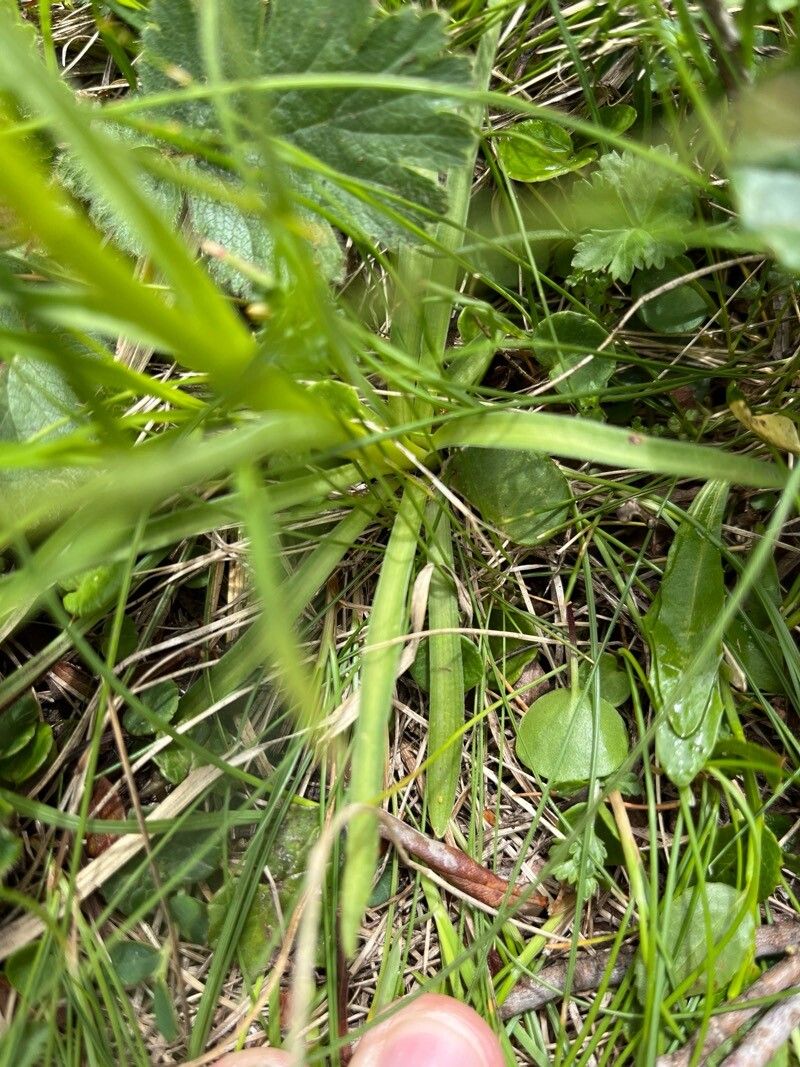
Propagating the Marsh Fragrant Orchid (Gymnadenia rhellicani): A Gardener’s Challenge
Introduction:
Gymnadenia rhellicani, commonly known as the Marsh Fragrant Orchid, is a captivating terrestrial orchid prized for its delicate beauty and enchanting fragrance. Its slender stems bear spikes of numerous, small, usually pink or purplish flowers. These orchids are not common in cultivation, making them a sought-after addition to specialist collections. Their rarity enhances their horticultural significance and contributes to their popularity among orchid enthusiasts, while also highlighting the challenges associated with their propagation. Successful propagation offers immense satisfaction, considering the plant’s delicate nature and specific requirements.
Seed Germination:
Currently, there are no known reliable methods for seed germination propagation of Gymnadenia rhellicani. Orchid seeds are notoriously minute and lack endosperm (the food store for developing seedlings). They require a symbiotic relationship with specific mycorrhizal fungi to germinate and establish successfully. These fungi provide the necessary nutrients for germination, a process that is highly species-specific and difficult to replicate in a controlled environment. Therefore, relying on seed germination for propagation is currently impractical for the average gardener.
Cuttings:
Cuttings are not a viable method for propagating Gymnadenia rhellicani. Unlike some other plants, orchids do not readily regenerate from stem or leaf cuttings. The complex physiology of the orchid, heavily reliant on its symbiotic fungal relationship, prevents successful root development from cuttings.
Division:
Division is a potentially viable method, but with significant limitations. During its dormant period, carefully dividing mature clumps can yield multiple plants.
Challenges: This method is inherently limited by the size and age of the parent plant. Only established, robust specimens with sufficient root systems can be safely divided. Dividing plants too aggressively can weaken or kill them. Furthermore, disturbance to the root system can damage the mycorrhizal network essential for the plant’s health.
Practical Tips: The best time for division is after flowering, during the late summer or early autumn when the plant is beginning its dormant period. Divide the clump using a sharp, sterile knife, ensuring each division has a healthy portion of roots and rhizome. Replant the divisions immediately into a well-drained, suitable substrate mimicking the plant’s natural environment.
Rewards: Division offers a relatively straightforward approach to increase the number of plants, albeit slowly. It maintains the genetic characteristics of the parent plant.
Tissue Culture:
Tissue culture represents the most promising, albeit complex and technically demanding, propagation method.
Challenges: Establishing aseptic conditions, selecting the appropriate culture medium supplemented with specific nutrients and possibly growth hormones, and maintaining the symbiotic mycorrhizal relationship in vitro are major hurdles. This work requires specialized laboratory equipment and expertise.
Practical Tips: Developing a successful protocol would necessitate extensive experimentation involving different media compositions, hormone concentrations, and inoculation methods. Collaboration with researchers specializing in orchid tissue culture is highly recommended.
Rewards: Tissue culture offers the potential for large-scale propagation, creating many genetically identical plants from a single parent plant, thereby preserving desirable traits. It also bypasses the limitations of seed germination and symbiotic fungi requirements.
Conclusion:
Propagating Gymnadenia rhellicani presents significant challenges, with division being the most feasible method for the experienced enthusiast, while tissue culture holds the potential for larger-scale propagation but demands specialized expertise and resources. Seed germination and cuttings are presently not viable options. The rewards—maintaining this rare and beautiful orchid in cultivation—are however significant for those willing to invest the time, effort, patience, and possibly financial resources. The unique satisfaction derived from successfully cultivating this challenging orchid makes the effort worthwhile for passionate gardeners. For aspiring propagators, starting with learning about the plant’s specific needs and environmental requirements is essential, progressing gradually to explore division techniques before venturing into the complexities of tissue culture techniques. Remember, patience and respect for the plant’s delicate nature are key to success.