
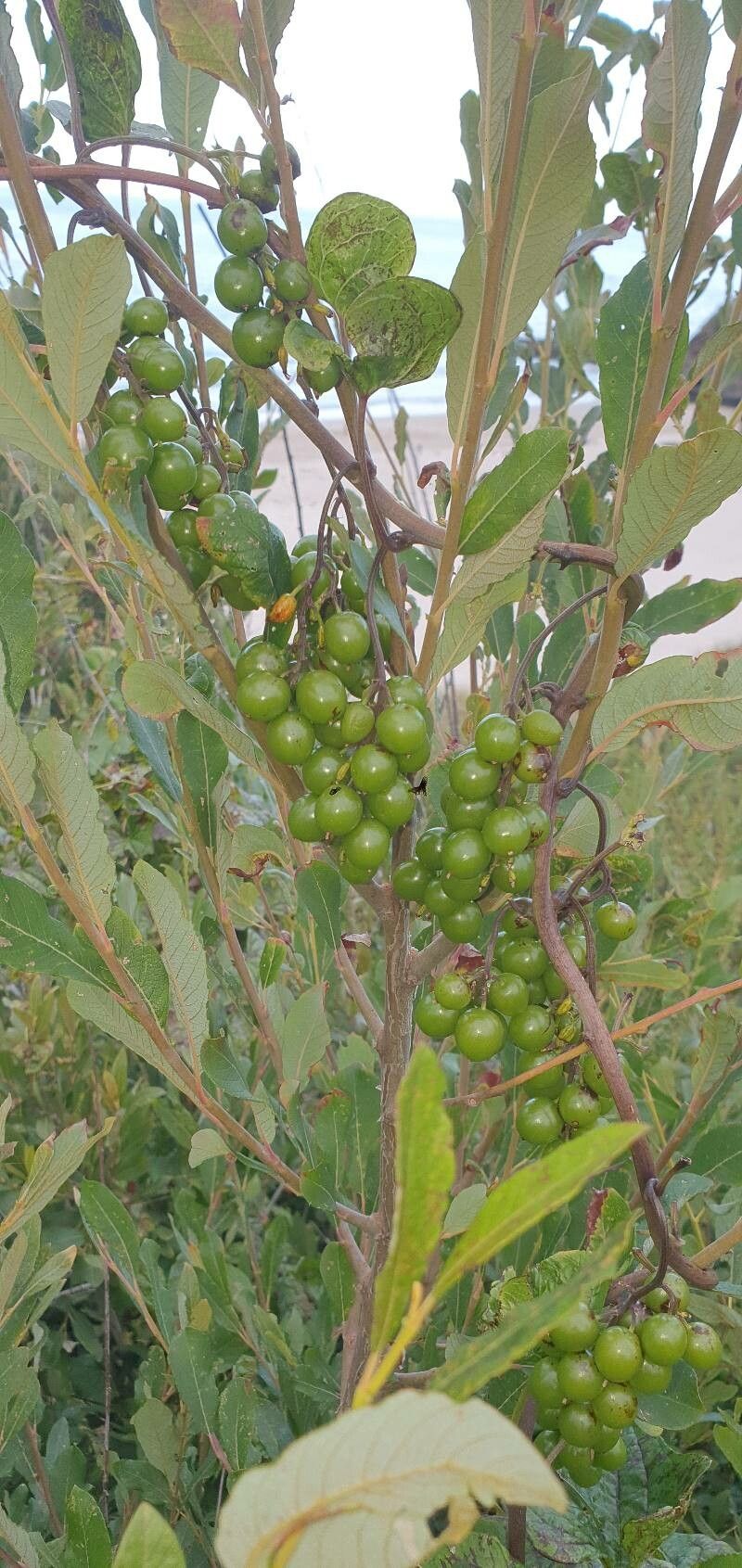
Propagating the Wild Peach: A Guide to Growing Pappea capensis
Pappea capensis, commonly known as the Wild Peach or Witgatboom (Afrikaans), is a striking, drought-tolerant tree native to southern Africa. Its attractive, glossy foliage and clusters of small, yellowish-green flowers make it a popular choice among gardeners, particularly those in drier climates. However, propagating this beautiful tree can present unique challenges. Its propagation methods require patience, precision, and a deeper understanding of its specific needs. This article will explore various methods, highlighting their viability and providing practical tips for success.
Seed Germination:
Currently, there are no known reliable methods for seed germination propagation of Pappea capensis. While seeds may be produced, their germination rate is notoriously low, and successful germination under cultivated conditions remains elusive. Further research into specific germination triggers or pre-treatment methods is needed to unlock the potential of seed propagation for this species.
Cuttings:
Cuttings offer a more promising avenue for Pappea capensis propagation. However, challenges exist.
Challenges: The success rate of cuttings can be variable depending on several factors, including the timing of cutting collection (ideally semi-hardwood cuttings in spring or summer), the use of rooting hormone, and the maintenance of optimal humidity and temperature during root development.
Practical Tips: Take semi-hardwood cuttings of about 10-15cm, removing lower leaves to prevent rotting. Dip the cut ends in a rooting hormone powder before planting in a well-draining propagation mix (e.g., a blend of perlite and vermiculite). Maintain high humidity using a propagator or plastic bag. Consistent misting may also aid in successful rooting.
Rewards: Using cuttings preserves the exact genetic characteristics of the mother plant, ensuring a faithful replication. This is particularly valuable if you wish to propagate a desirable cultivar or a plant showcasing exceptional traits.
Division:
Division is not usually a viable method for propagating Pappea capensis. This tree develops a deep taproot making it extremely difficult to successfully divide established plants. Attempting division will almost certainly result in plant death.
Tissue Culture:
Tissue culture offers the potential for large-scale propagation of Pappea capensis, bypassing the limitations of seed germination and cuttings.
Challenges: Establishing and maintaining a successful tissue culture protocol requires specialized expertise, equipment, and sterile conditions to prevent contamination. The optimization of nutrient media and growth regulators is crucial for efficient shoot multiplication and root development.
Practical Tips: This method is best left to experienced tissue culture laboratories. Finding a laboratory proficient in propagating indigenous African plants would be the first step.
Rewards: Tissue culture allows for the rapid production of numerous genetically identical plants from a small amount of source material. This technique offers a reliable way to propagate Pappea capensis for commercial purposes or conservation efforts.
Conclusion:
Propagating Pappea capensis presents unique challenges across different methods. While seed germination remains unreliable, cuttings offer a practical alternative for the home gardener, though success requires patience and careful technique. Tissue culture represents the most promising method for large-scale propagation but necessitates specialized skills and resources. The rewards, however, are significant: the successful cultivation of this magnificent tree offers immense satisfaction, a testament to perseverance and horticultural skill. The unique beauty and hardiness of Pappea capensis make the effort well worth it for the dedicated propagator. Don’t be discouraged by initial setbacks; experiment, learn from your experiences, and celebrate each small victory in your journey to successfully growing this remarkable plant.