
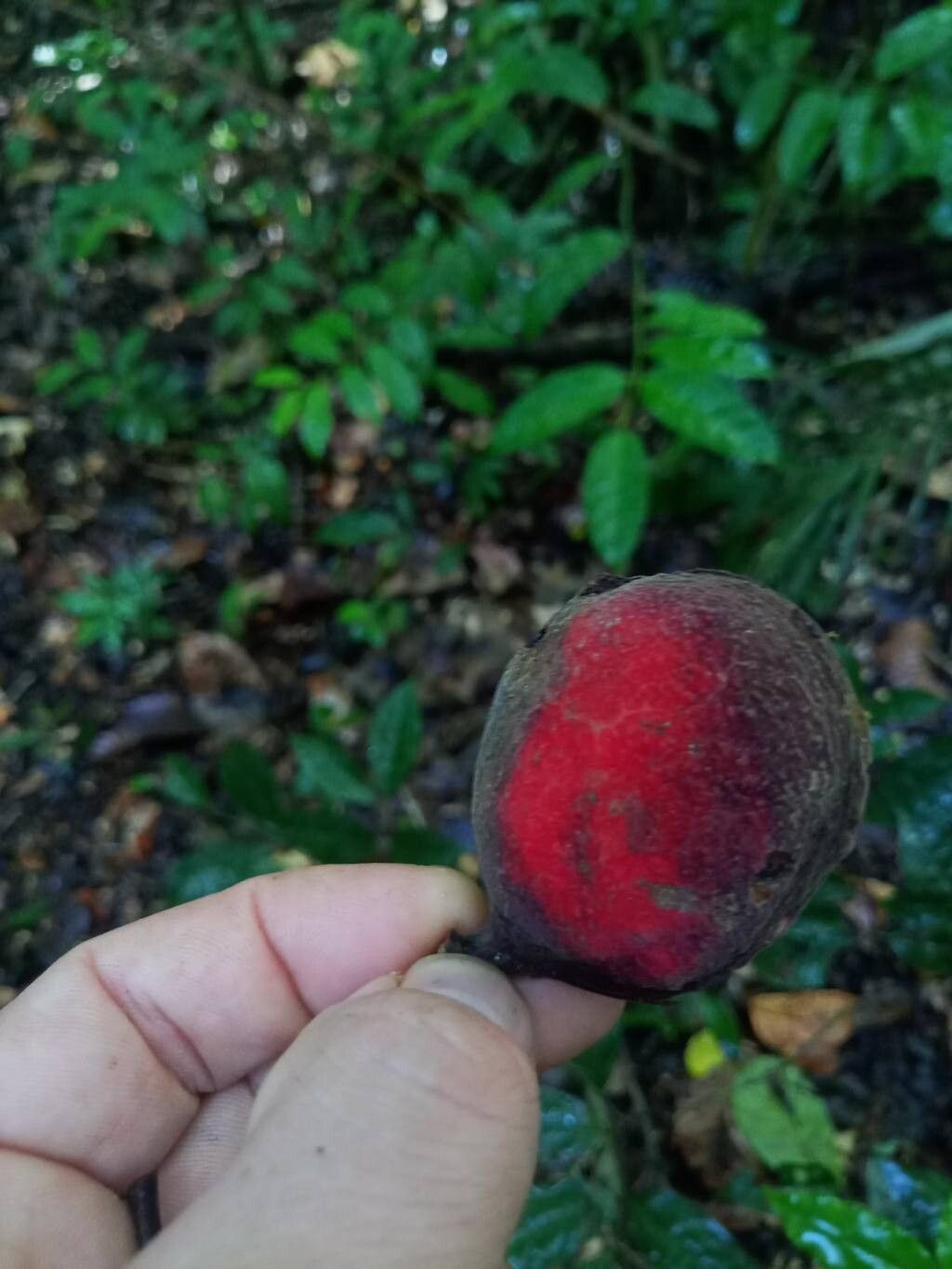
Propagating the Wild Orange Tree (Sterculia frondosa): A Gardener’s Guide
Introduction:
Sterculia frondosa, commonly known as the Wild Orange Tree or Indian Butter Tree, is a striking ornamental tree prized for its vibrant, orange-red flowers and attractive, palmate leaves. Its unique appearance and relative drought tolerance have boosted its popularity among gardeners seeking an eye-catching, relatively low-maintenance addition to their landscape. However, propagation of Sterculia frondosa presents several challenges, making successful cultivation a rewarding experience for the dedicated plant enthusiast. This article explores various propagation methods, highlighting their feasibility and offering practical advice.
Seed Germination:
Currently, there are no known reliable methods for seed germination propagation of Sterculia frondosa. While seeds may be produced, their viability is notoriously low, and germination rates are extremely poor even under optimal conditions. Further research into specific germination requirements, including potential stratification techniques or pre-treatment methods, is needed.
Cuttings:
Propagation from cuttings offers a more promising approach than seed germination. However, challenges remain. Success rates are moderate and depend heavily on factors like the timing of the cuttings, the type of cutting (hardwood vs. semi-hardwood), and the rooting medium used.
Challenges: The primary challenge lies in achieving successful root development. Sterculia frondosa cuttings are prone to rot if not provided with excellent drainage and aeration. Using a well-draining substrate, like a mix of perlite and peat moss, is essential.
Practical Tips: Semi-hardwood cuttings taken in late summer or early autumn generally offer the best results. The cuttings should be 4-6 inches long, with the lower leaves removed to minimize water loss during rooting. Application of rooting hormone can improve success rates. High humidity is vital; propagation under a humidity dome or misting regularly is recommended.
Rewards: Cuttings offer a relatively quick way to produce genetically identical clones of a desirable parent plant. This ensures the preservation of specific traits, making it ideal if you have a particularly attractive specimen.
Division:
Division is not a viable method for propagating Sterculia frondosa. This tree is not known to produce readily separable suckers or offsets that can be successfully divided and replanted.
Tissue Culture:
Tissue culture presents a potential, albeit advanced, method for propagating Sterculia frondosa. This method offers the possibility of producing large numbers of genetically identical plants under sterile conditions.
Challenges: Establishing a successful tissue culture protocol for Sterculia frondosa requires specialized knowledge, equipment, and sterile laboratory conditions. The optimal media formulation, growth hormones, and sterilization techniques need to be carefully determined through experimentation.
Practical Tips: For those with access to tissue culture facilities and expertise, this method may lead to the most reliable and efficient propagation. Collaboration with plant tissue culture labs or experienced practitioners is recommended.
Rewards: Tissue culture provides the potential for large-scale propagation, ensuring a consistent supply of plants with uniform traits. It also allows for the production of disease-free plants, starting from disease-free stock.
Conclusion:
Propagating Sterculia frondosa presents unique challenges across all methods considered. While seed germination appears currently unfeasible, cuttings offer a more realistic, although still demanding, approach for the dedicated gardener. Tissue culture holds significant promise for mass propagation, but requires specialized knowledge and resources. Despite these hurdles, the beauty and character of this distinctive tree make the effort worthwhile. The satisfaction derived from successfully cultivating a Sterculia frondosa from a cutting or through tissue culture, after navigating the challenges of propagation, is deeply rewarding. Aspiring propagators are encouraged to experiment with cuttings, focusing on optimal conditions for root development, and consider seeking expert guidance for more complex methods like tissue culture. The journey may be arduous, but the final result is a testament to patience and horticultural skill.