
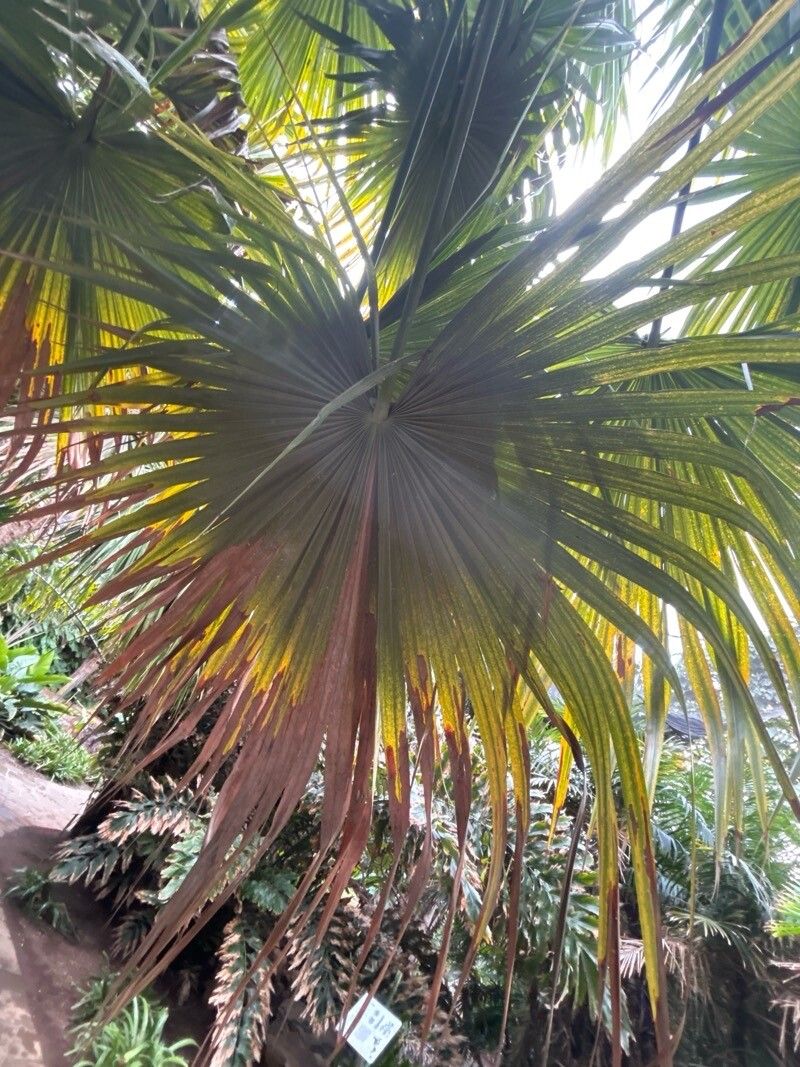
Reaching New Heights: A Guide to Propagating the Lofty Thrinax Excelsa
The Thrinax excelsa, also known as the “thatch palm” for its historical use in roof construction, is a striking palm native to the Caribbean. Its slender trunk and crown of fan-shaped leaves evoke a sense of tropical elegance, making it a desirable addition to gardens and landscapes. If you’re looking to expand your palm paradise or share the beauty of the Thrinax excelsa, propagation is the way to go. While not the easiest palm to propagate, success is achievable with the right knowledge and a touch of patience.
Seed Propagation: A Test of Time and Dedication
The most common method of propagating Thrinax excelsa is through seeds, a process that requires a significant time investment. Fresh seeds offer the highest chance of success, so sourcing them from a reputable supplier or collecting them directly from ripe fruits is recommended.
Here’s what you need to know:
Seed Preparation: Unlike some palms, Thrinax excelsa seeds don’t require scarification. However, soaking them in room temperature water for 24-48 hours can help soften the outer shell and encourage germination.
Planting Medium: A well-draining seed starting mix is ideal. You can create your own by combining equal parts peat moss, perlite, and vermiculite.
Sowing and Conditions: Plant the seeds about an inch deep in the medium, ensuring they are adequately spaced. Maintain a consistently warm and humid environment, with temperatures around 80-85°F (27-29°C). A seedling heat mat and humidity dome can be beneficial in achieving these conditions.
Patience is Key: Germination is typically slow and erratic, ranging from a few months to even a year. Don’t lose hope if you don’t see results immediately – consistency in care is crucial.
- Transplanting: Once the seedlings have developed a strong root system and several sets of leaves, they can be transplanted into individual pots with a well-draining potting mix.
Alternative: Air Layering for the Experienced Gardener
While less common, air layering is an alternative propagation method for Thrinax excelsa, particularly for those seeking a quicker route. This technique involves encouraging root development on a section of the stem while it’s still attached to the parent plant.
A word of caution: Air layering is a more advanced technique and may not be suitable for beginners. It also carries a higher risk of failure compared to seed propagation.
Caring for Your New Palms
Once your Thrinax excelsa propagations are established, whether from seed or air layering, providing the right care is essential for their healthy growth. Ensure they receive:
Bright, indirect sunlight: Avoid exposing young palms to harsh, direct sunlight, which can scorch their delicate leaves.
Consistent moisture: Water regularly, allowing the soil to dry slightly between waterings. Avoid overwatering, which can lead to root rot.
Warm temperatures: As a tropical species, Thrinax excelsa thrives in warm temperatures and dislikes cold drafts.
- Nutrient Boost: Fertilize regularly during the growing season with a balanced palm fertilizer to provide essential nutrients.
Propagating Thrinax excelsa may require some dedication and a dash of patience, but witnessing the growth of these majestic palms from seed or air layer is a rewarding experience. So, embrace the challenge and expand your own tropical paradise with the unique beauty of the Thrinax excelsa.