
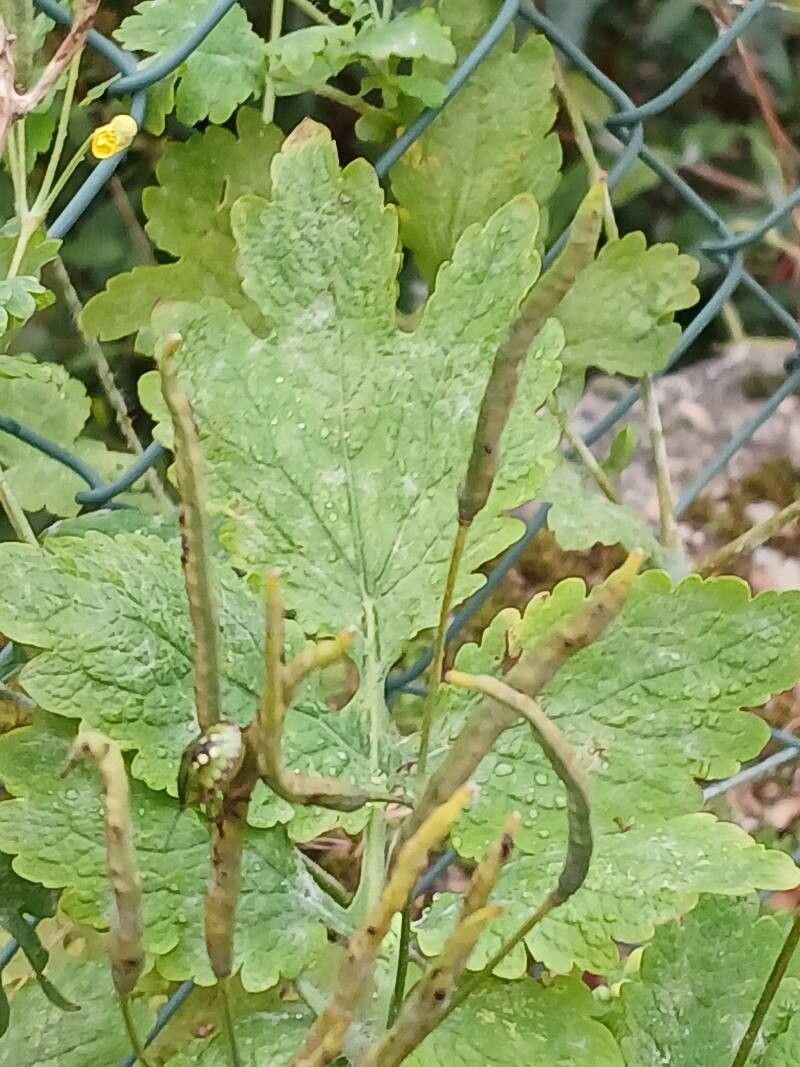
Propagating Greater Celandine (Chelidonium majus): A Gardener’s Guide
Introduction
Chelidonium majus, commonly known as Greater Celandine, is a herbaceous perennial plant belonging to the poppy family (Papaveraceae). Characterized by its bright yellow, four-petaled flowers and feathery, blue-green foliage, it holds a unique place in both herbal medicine and the garden. While some consider it a weed due to its self-seeding capabilities, its medicinal properties and striking appearance have gained it a dedicated following among gardeners interested in unusual and beneficial plants. Propagation, however, presents a number of challenges, making successful cultivation a rewarding experience.
Seed Germination
Seed germination in Chelidonium majus is viable, but presents some challenges. The seeds require a period of cold stratification to break dormancy. This means exposing them to cold temperatures (ideally between 33-41°F/0.5-5°C) for several weeks, mimicking winter conditions.
Challenges: Seed germination rates can be unpredictable, and the seeds are quite small, requiring careful handling. Improper stratification can lead to poor germination, or even no germination at all.
Practical Tips: Sow seeds outdoors in autumn for natural stratification, or pre-treat seeds by storing them in moist peat moss or vermiculite in a refrigerator for 6-8 weeks. Seeds can then be sown in a well-draining seed starting mix, kept moist but not soggy, and placed in a location with bright, indirect light.
- Rewards: Establishing plants from seed offers the greatest opportunity for genetic diversity, crucial for long-term plant health and robustness. This method also allows for large-scale propagation, perfect for establishing large colonies or providing plants to other gardeners.
Cuttings
Propagation of Chelidonium majus via cuttings is a viable but somewhat challenging method.
Challenges: Cuttings, particularly stem cuttings, can be prone to rotting if not handled carefully. They require specific conditions to successfully root.
Practical Tips: Take semi-hardwood cuttings in late summer or early fall. Use a sharp knife or shears to make clean cuts, removing lower leaves to prevent rot. Dip cuttings in rooting hormone before planting them in a well-draining rooting medium (e.g., perlite/vermiculite mix). Maintain high humidity (using a propagator or plastic bag) and consistently moist conditions.
- Rewards: Cuttings offer a quicker way to establish new plants compared to seed propagation, preserving the desirable traits of the mother plant. This is particularly useful for propagating rare or selected cultivars.
Division
Division is a viable and relatively straightforward method for propagating Greater Celandine.
Challenges: Division should be done during the plant’s dormant period (spring or autumn) to minimize stress on the plant. Care must be taken to ensure each division has sufficient roots and shoots.
Practical Tips: Gently dig up the established plant and carefully separate the root system into smaller clumps, ensuring each clump has at least several shoots and a good root mass. Replant the divisions immediately, maintaining the same depth as the original plant.
- Rewards: Division is a quick and highly successful method of propagation, providing a rapid increase in the number of plants.
Tissue Culture
Currently, there are no widely published or readily available protocols for efficient tissue culture propagation of Chelidonium majus. While theoretically possible, it requires specialized laboratory equipment and expertise.
Conclusion
Propagating Chelidonium majus presents unique challenges across different methods. Seed germination, while viable, demands careful stratification and attention to detail. Cuttings require specific conditions and handling to prevent rot. Division presents the most user-friendly and reliably successful method for the average gardener. Tissue culture remains unexplored for widespread use. However, the rewards of successfully cultivating this fascinating plant—whether a single specimen or a thriving colony—are immense. The unique satisfaction lies not just in the beautiful blooms, but in overcoming the propagation hurdles and ultimately thriving amongst the challenges. Don’t be discouraged by potential setbacks; remember persistence is key to successfully bringing this intriguing plant to life.