
Propagating Phagnalon purpurascens: A Gardener’s Guide
Introduction:
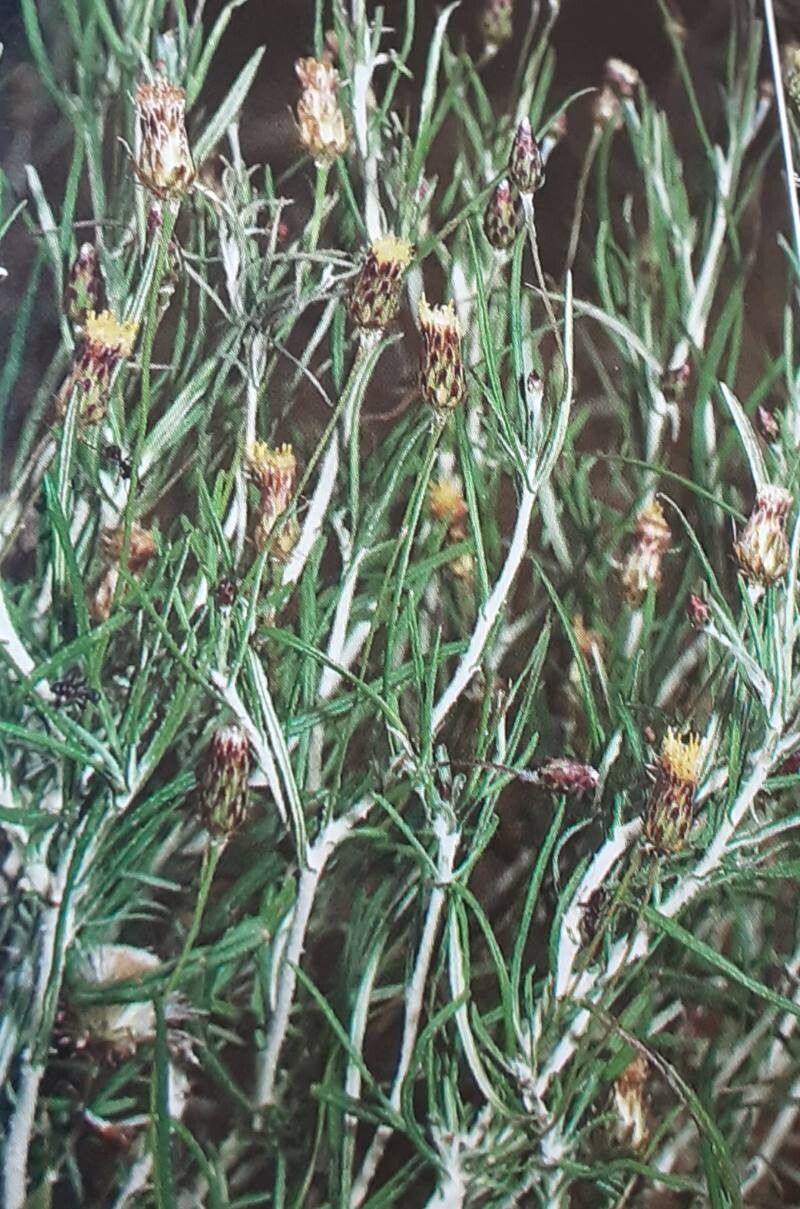
Phagnalon purpurascens, also known as purple fleabane or purple everlasting, is a captivating shrub with its attractive greyish-green foliage and profuse clusters of small, purple-pink flowers. Native to the Mediterranean region, its drought tolerance and ability to thrive in poor soil makes it a popular choice among gardeners seeking low-maintenance, yet visually striking, additions to their landscape. Its relatively uncommon nature adds to its allure, making successful propagation a rewarding endeavor for plant enthusiasts. However, propagating this species isn’t always straightforward, presenting unique challenges across different methods.
Seed Germination:
Currently, there are no known reliable methods for seed germination propagation of Phagnalon purpurascens. While the plant does produce seed, its germination rate is reportedly extremely low, even under ideal conditions. Further research into specific germination requirements, such as light exposure, temperature, and potential stratification techniques, is needed to determine if viable seed propagation is feasible.
Cuttings:
Cuttings present a more promising method for propagating Phagnalon purpurascens.
Challenges: Rooting success can be inconsistent. The woody nature of the stems may hinder root development.
Practical Tips: Semi-hardwood cuttings taken in late summer or early autumn generally yield the best results. Use a rooting hormone to increase the chances of success. Plant cuttings in a well-draining propagation mix, ensuring adequate humidity using a propagation dome or plastic bag. Provide bright, indirect light, avoiding direct sunlight which may scorch the cuttings.
Rewards: Cuttings offer a relatively quick way to produce genetically identical plants to the mother plant, ensuring the preservation of desirable traits. It’s a practical method for smaller-scale propagation.
Division:
Division is a viable option for propagating Phagnalon purpurascens, especially mature, well-established plants.
Challenges: Care must be taken to avoid damaging the root system during division. The success rate can depend on the health and size of the mother plant and the skill of the propagator.
Practical Tips: The best time to divide is during the dormant season (late autumn or early spring). Gently lift the plant from the ground, carefully separating it into sections, ensuring each division has sufficient roots and foliage. Plant the divisions immediately in well-prepared, well-draining soil.
Rewards: Division allows for relatively quick multiplication of established plants. It’s a simple method requiring minimal specialized equipment.
Tissue Culture:
Tissue culture presents the possibility of large-scale propagation of Phagnalon purpurascens.
Challenges: This method requires specialized knowledge, equipment, and a sterile environment. It can be expensive and time-consuming. Establishing a suitable protocol for this species might require initial research and experimentation.
Practical Tips: This method is best left to experienced tissue culture laboratories or very dedicated hobbyists with the necessary training and equipment.
Rewards: Tissue culture allows for the rapid production of a large number of genetically identical plants, potentially conserving rare or threatened genotypes. It can also be used for disease elimination in mother stock.
Conclusion:
Propagating Phagnalon purpurascens presents unique challenges, with cuttings and division offering the most reliable methods for the average gardener. While seed germination remains unexplored, and tissue culture demands specialized expertise, the reward of successfully cultivating this attractive plant is well worth the effort. The satisfaction derived from nurturing a tiny cutting into a thriving shrub, or from carefully dividing a mature plant, is a unique joy for the plant lover. The challenges involved only heighten the sense of accomplishment. Don’t be discouraged by initial setbacks; experimentation and patience are key to unlocking the secrets of successfully propagating this Mediterranean gem.