
Propagating Ludwigia alternifolia: A Guide to the Water Primrose
Introduction:
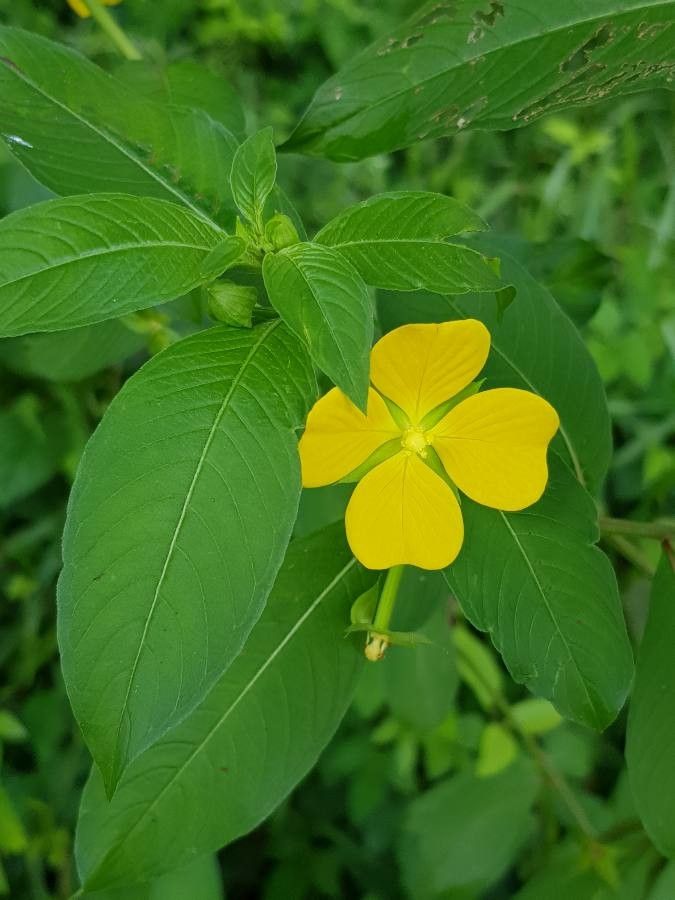
Ludwigia alternifolia, commonly known as the water primrose or seedbox, is a striking North American native wetland plant prized for its vibrant green foliage and bright yellow flowers. Its attractive, slightly sprawling habit makes it a popular choice for water gardens, bog gardens, and even moist areas in the landscape. The ease with which it establishes itself in suitable conditions contributes to its popularity, but propagation can present certain challenges due to its specific moisture requirements. Understanding these nuances is key to successfully cultivating this beautiful species. Several methods exist for propagation, each with its own set of advantages and difficulties.
Seed Germination:
Currently, there are no known reliable methods for seed germination propagation of Ludwigia alternifolia. While the plant does produce seeds, their germination rate is notoriously low, and successful germination under controlled conditions has not been widely documented. Further research into specific germination requirements, such as light exposure and precise temperature and moisture levels, might yield results, but currently, this method is not practical for most gardeners.
Cuttings:
Challenges: The most significant challenge in propagating Ludwigia alternifolia via cuttings lies in maintaining appropriate moisture levels. Cuttings are prone to both rotting from overwatering and wilting from underwatering.
Practical Tips: Take 4-6 inch stem cuttings in spring or early summer. Remove lower leaves to prevent rot and dip the cut ends in rooting hormone. Plant cuttings in moist, well-draining potting mix, keeping the substrate consistently damp but not soggy. High humidity levels, provided by a cloche or propagator, significantly increase success rates. Misting regularly helps maintain humidity.
Rewards: This method provides a relatively straightforward and quick way to propagate multiples of the existing plant, ensuring genetic uniformity. It’s a suitable method for gardeners with limited space.
Division:
Challenges: Ludwigia alternifolia readily spreads through its rhizomes, making division a viable approach. However, the plant’s delicate root system requires careful handling to avoid damage. Improper handling could lead to the death of the divided sections.
Practical Tips: The best time to divide Ludwigia alternifolia is during spring or early summer. Carefully dig up the plant, gently separating the rhizomes to create individual sections with both roots and shoots. Replant the divisions into damp, nutrient-rich soil. Ensure each division has a good root system before planting.
Rewards: Division represents one of the most reliable and successful methods of propagation for this particular species, allowing easy multiplication and quick establishment of new plants. It maintains the genetic characteristics of the mother plant.
Tissue Culture:
Challenges: Tissue culture, though capable of producing a large number of plants, requires specialized equipment, sterile conditions, and a detailed knowledge of plant tissue culture techniques. This method is generally not feasible for the home gardener.
Practical Tips: If attempting tissue culture, sterile techniques are paramount. Use a suitable growth medium and plant growth regulators to encourage shoot proliferation.
Rewards: Tissue culture offers significant potential for mass propagation, producing disease-free clones and allowing for the preservation of genetic material. This is mainly a method for commercial nurseries or research facilities.
Conclusion:
Propagating Ludwigia alternifolia presents distinct challenges across different methods. While seed propagation remains unreliable, cuttings and division offer viable options, contingent on careful technique and the maintenance of optimal moisture levels. Tissue culture presents a high-yield solution but necessitates considerable expertise. The unique satisfaction of successfully propagating this plant comes not only from the rewards of increased numbers but also from mastering the delicate balance of moisture that is essential for its survival. The persistence required reinforces the bond between gardener and plant, making the accomplishment all the more rewarding. For aspiring propagators, I encourage patience, attention to detail, and experimentation to hone your skills. The vibrant beauty of the water primrose is well worth the effort.