
Propagating the Chinese Hackberry (Celtis bungeana): A Gardener’s Guide
Introduction:
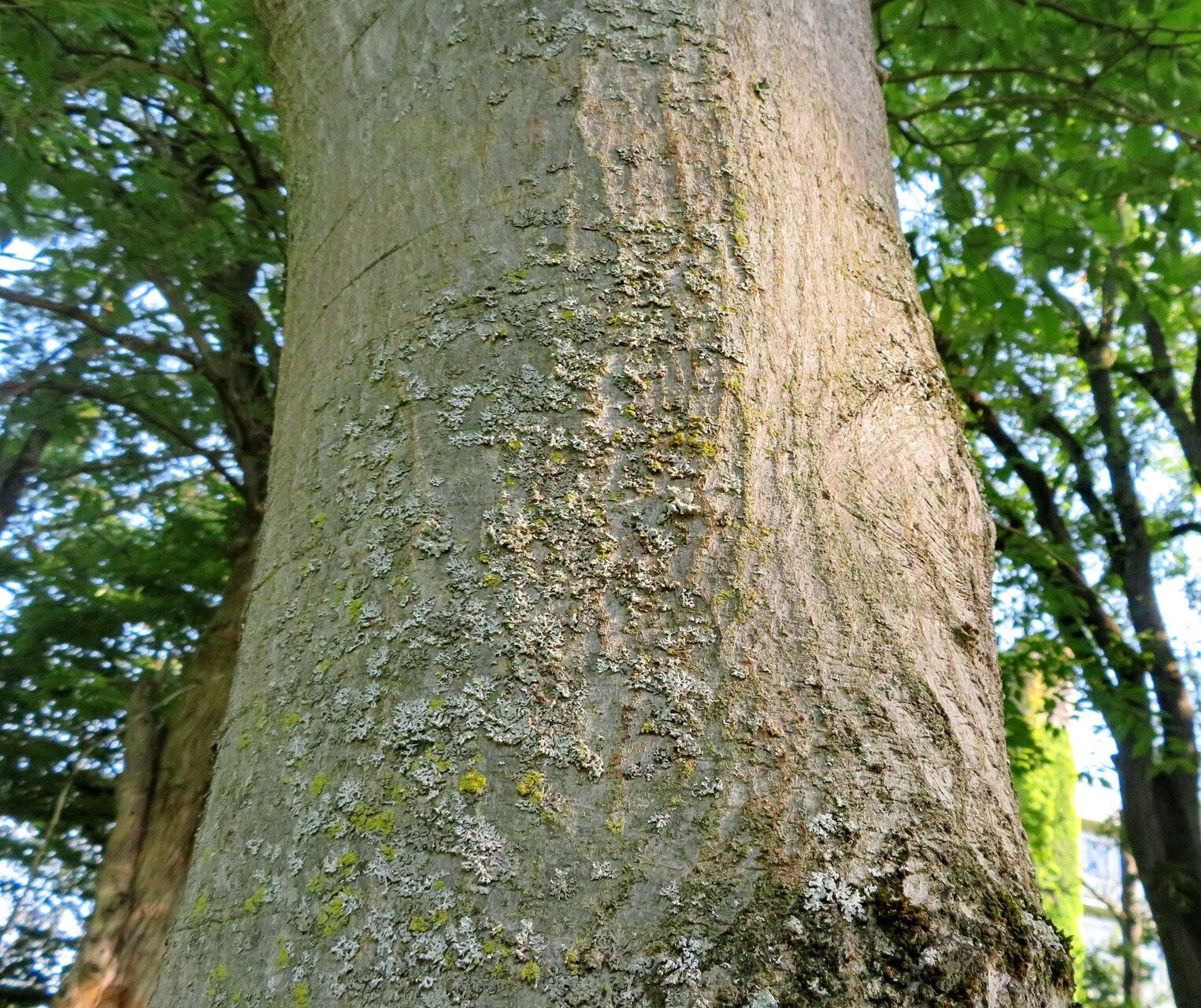
Celtis bungeana, commonly known as the Chinese Hackberry, is a small to medium-sized deciduous tree prized for its attractive, subtly textured bark that exfoliates to reveal patches of creamy white, grey, and brown. Its relatively small size, tolerance of various soil conditions, and beautiful autumnal foliage make it a popular choice among gardeners seeking an interesting and low-maintenance specimen tree or a smaller, ornamental tree for urban landscapes. While relatively easy to grow from established plants, propagating Celtis bungeana can present unique challenges, making successful cultivation all the more rewarding.
Seed Germination:
Seed germination is a viable method for propagating Celtis bungeana, but it presents several challenges. The primary difficulty lies in overcoming seed dormancy. The hard seed coat often inhibits water uptake, preventing germination. Therefore, stratification is crucial. This involves a period of cold, moist treatment to mimic the natural conditions experienced by seeds in winter.
Challenges: Inconsistent germination rates, lengthy germination time, potential for fungal diseases during stratification.
Practical Tips: Collect ripe fruits in autumn, remove the fleshy pulp, and thoroughly clean the seeds. Stratify the seeds for a minimum of 60-90 days at temperatures between 33°F – 41°F (0.5°C – 5°C) in moist vermiculite or peat moss. Sow the stratified seeds in a well-draining seed-starting mix, keeping the soil consistently moist but not waterlogged. Germination can take several months.
Rewards: Relatively inexpensive propagation method, potential for large-scale propagation, increased genetic diversity compared to vegetative methods.
Cuttings:
Propagating Celtis bungeana from cuttings is possible, though success rates vary depending on the timing and technique employed.
Challenges: Relatively low rooting success rates, susceptibility to fungal diseases, dependence on optimal environmental conditions (humidity, temperature).
Practical Tips: Take semi-hardwood cuttings in late summer or early autumn. Use rooting hormone to stimulate root development. Propagate in a humid environment, using a propagation chamber or covering the cuttings with a clear plastic dome to maintain high humidity. Provide bottom heat for optimal root growth.
Rewards: Preservation of desirable traits from the parent plant, faster establishment compared to seed-grown plants.
Division:
Division is generally not a practical method for propagating Celtis bungeana, as this tree develops a substantial taproot system and is not easily divided without causing severe damage to the plant.
Challenges: High risk of plant mortality, impractical for large-scale propagation.
Practical Tips: This propagation method is not recommended for Celtis bungeana.
Tissue Culture:
Tissue culture can be a highly effective method for propagating Celtis bungeana, offering high success rates and the ability to produce large numbers of plants quickly. However, this method requires specialized equipment, knowledge, and a sterile laboratory environment.
Challenges: Requires specialized equipment and expertise, can be expensive, potential for contamination.
Practical Tips: Employ sterile techniques to prevent contamination. Utilize appropriate plant growth regulators to stimulate shoot and root development. This technique is best suited for research or commercial nurseries.
Rewards: High propagation success rate, production of uniform plants, disease-free propagation.
Conclusion:
Propagating Celtis bungeana presents unique challenges regardless of the chosen method. Seed germination offers the potential for genetic diversity but requires patience and attention to detail for stratification. Cuttings present a faster, albeit less reliable, method for achieving propagation. Division is not a practical choice due to the plant’s root structure. Tissue culture represents the most efficient approach but demands high technical skill. The difficulty, however, is often part of the reward. The satisfaction of successfully cultivating this unique and beautiful tree, especially from seed or cuttings, far outweighs the challenges. Aspiring propagators are encouraged to experiment, learn from their experiences, and persevere. The beauty of a Chinese Hackberry grown from your own efforts will be a truly gratifying achievement.